


?Getting To Now?: Addressing Today?s Transportation Challenges Through Tech
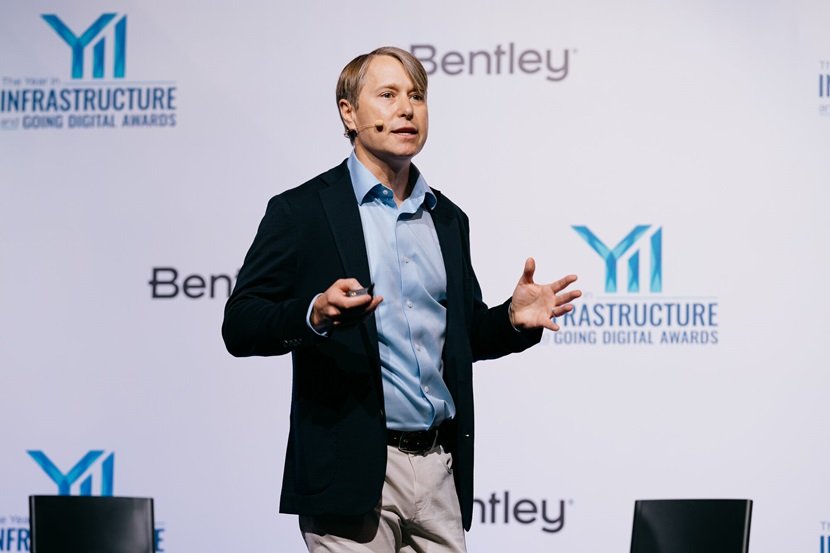
By: Dustin Parkman, Vice
President of Industry Solution, Bentley Systems
When considering the state
of the Indian transportation infrastructure, it is easy to become disheartened
by what can seem like an insurmountable array of problems. Traffic congestion
not only blocks mobility but also contributes to air pollution. Meanwhile,
public transportation is often inadequate or poorly developed, and roads,
bridges, and tunnels across the nation need repair.
Yet, when looking at the
sector, it’s important to see these challenges and the opportunities they
present. Transportation is about moving goods and people–perhaps more than any
other space, a strong sector translates to a better quality of life and
resilient economies.
Current
Challenges
The many challenges of the
industry can be grouped into a few key areas:
Infrastructure repair
The poor quality of most
constructions and their regular maintenance in India are important issues that
the sector needs to addressed. For example, roads across states are reported to
have several flaws within the first year of construction. This situation is often
due to the use of poor-quality materials and execution-related issues.
According to CareEdge Ratings, there may be a 7% to 10% slowdown in this year's
national highway development rate in India due to execution challenges, despite
a healthy uptick.
The existing infrastructure
is ignored and poorly maintained, which multiplies costs in the long term and
adds to the deterioration. As this infrastructure ages, maintenance also
becomes a relevant concern. For instance, the Pragati Maidan Tunnel—which aimed
to provide hassle-free and seamless connectivity between Central, Southeast,
and New Delhi—was found to have water seepage issues, large cracks in the
cement/concrete, and poor drainage.
Often, the adoption of new
and improved technology is not fast enough, leading to a lack of effectiveness
and proper quality. The most efficient way to combat these infrastructure
issues would be to adopt modern construction technologies.
In India, there is a dire
need for modern construction infrastructure that is sustainable and innovative.
The industry is at a crossroads, and a better path can be chosen by adopting
new and improved technology and materials. The key to becoming an
environmentally conscious, economically robust, and effective industry lies in
adapting to these advancements and developments. To aid the nation's journey
towards urbanization, the construction sector must adapt and overcome to manage
the needs of the 21st century. Adopting new raw materials and improved
technology is no longer merely a choice, but a necessity.
Sustainability
Within the scope of any
repairs or expansions, mitigating climate change is a pressing concern. Amid a
global push to design new green transportation infrastructure, it’s important
not to forget maintenance and repairs. Retrofits and new construction should
prioritize sustainability by utilizing alternative/greener building materials
so existing infrastructure can become more resilient to the impacts of climate
change. Moreover, it’s important to ensure that repair or retrofit processes do
not themselves lead to negative environmental impacts. Right now, construction
accounts for 70% of global emissions, so new sustainable methods and
capabilities are sorely needed.
Optimization
Any transportation
infrastructure upgrade, whether it’s roads, bridges, rail, tunnels, or
waterways, shares a singular goal—to safely optimize the flow of people and
goods. At the same time, this flow is something of a moving target–it is
inherently dynamic, driven by environmental, geographic, government regulatory,
and economic factors. Ultimately, transportation infrastructure upgrades need
to incorporate and account for these factors to create effective networks—and
when much of our infrastructure is nearly 80 years old, we’re playing catch-up.
Digital
Transformation
Transportation
infrastructure needs both structural updates and technological updates. The
manual processes upon which these systems need to operate can and should be
replaced with automation. However, the transportation sector has been
conservative in its adaptation and implementation, despite nearly everyone
agreeing that this type of conversion is essential for economic growth. Digital
technologies can not only improve transportation, helping to move and connect
people and goods more efficiently, but also ameliorate the environmental
footprint of these networks. Broad implementation of new technologies is a
must.
Innovative
Solutions
The good news is that
technological solutions are emerging to facilitate the kinds of systemic improvements
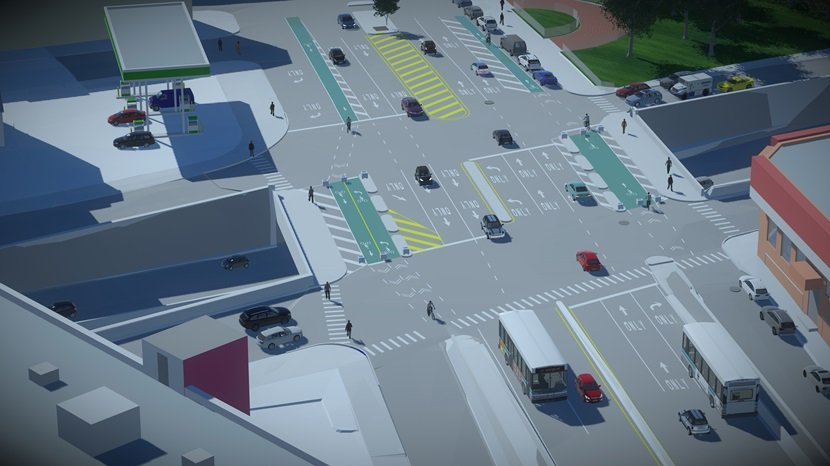
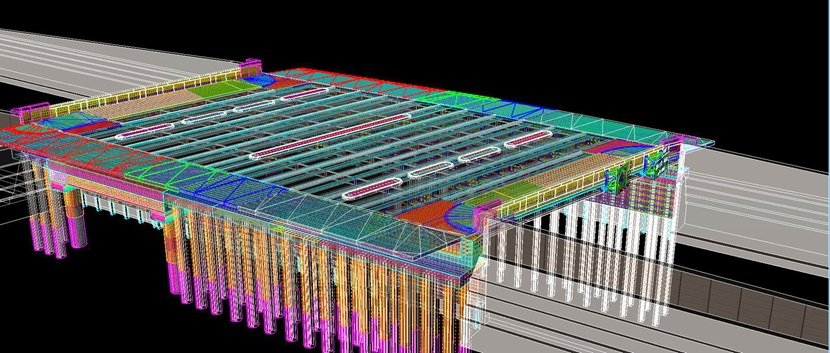
that the Indian transportation sector needs. Infrastructure digital twins can
be used to create simulations of physical assets, such as bridges, roads, or
tunnels, and replicate various scenarios to help planners, engineers and
builders see opportunities or potential hiccups. These simulations can also
predict maintenance needs, safety hazards, and energy inefficiencies,
identifying areas where improvements are needed. Infrastructure digital twin
capabilities can collect and merge often-siloed datasets and workflows,
incorporating information from disparate sources to support data-driven
decision-making that yields cost, time, and environmental savings.
Recently, we have seen some
promising use cases for digital twins in sustainable infrastructure maintenance,
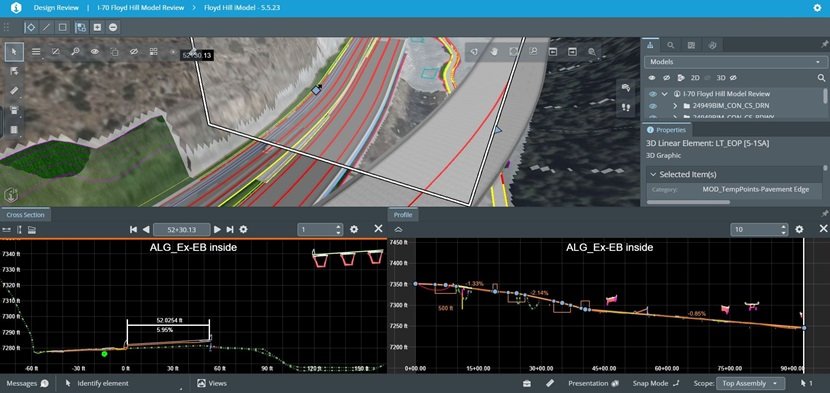
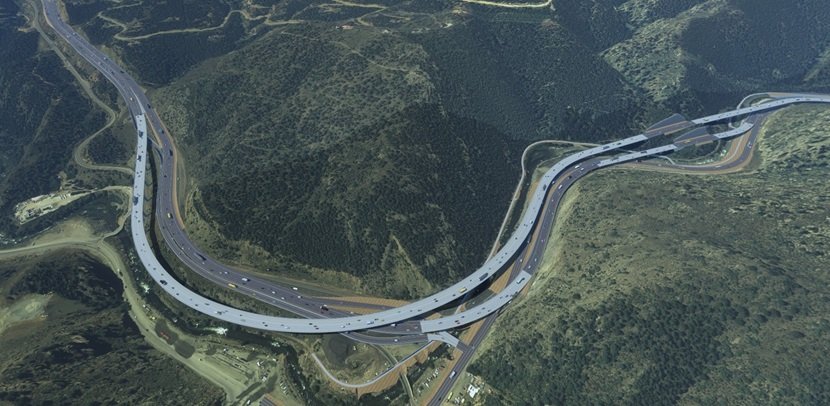
upgrades, and retrofits. One of these examples is an ongoing project to realign
and upgrade a section of I-70 at Floyd Hill, some 25 miles west of Denver. The
goal is to relieve a severe bottleneck, improving traffic flow and safety, as
well as lowering emissions through this mountainous and heavily traveled
section of roadway. By using collaborative 3D modeling and digital twin
applications, project lead AtkinsRéalis evaluated geometrics and parameters
such as sight distance, visualized a range of different possible designs, and
determined construction impact and feasibility—all of which were undertaken
collaboratively with stakeholders, leading to an estimated savings of USD 7
million in project costs and 50,000 work hours.
Another successful use case
is the upgrade of the East 138th Street Bridge in the Bronx, New York. Built in
1938, the bridge—which crosses over the Major Deegan Expressway and links
Manhattan to the Bronx, approximately one mile from Yankee Stadium—needs to
accommodate heavy vehicle and pedestrian traffic, as well as eliminate vertical
clearance issues that have resulted in vehicles striking the old bridge several
times. Digital twins were used to review 180 different potential designs for
this critical section of city infrastructure, determining which would be the
most functional both during bridge replacement and in perpetuity, and
accommodating an array of utilities connected to the bridge. The collaborative
digital context established by digital twins not only optimized structural
design but also kept the project on track during pandemic restrictions.
Some
Final Thoughts
It’s a challenging time for
the Indian transportation sector, but also an exciting one. Public and private
organizations both are transforming the infrastructure landscape, leveraging
the newest technologies to enable a 20th-century system to address 21st-century
challenges. Using digital twin capabilities, we can repair ageing assets and
contend with geographic, transportation, and environmental challenges—all while
meeting the needs of a country on the move.
Related Articles



Current Issue

10-2026
