


Preserving Capital Spares: A Strategy for Concrete-Coated Pipelines
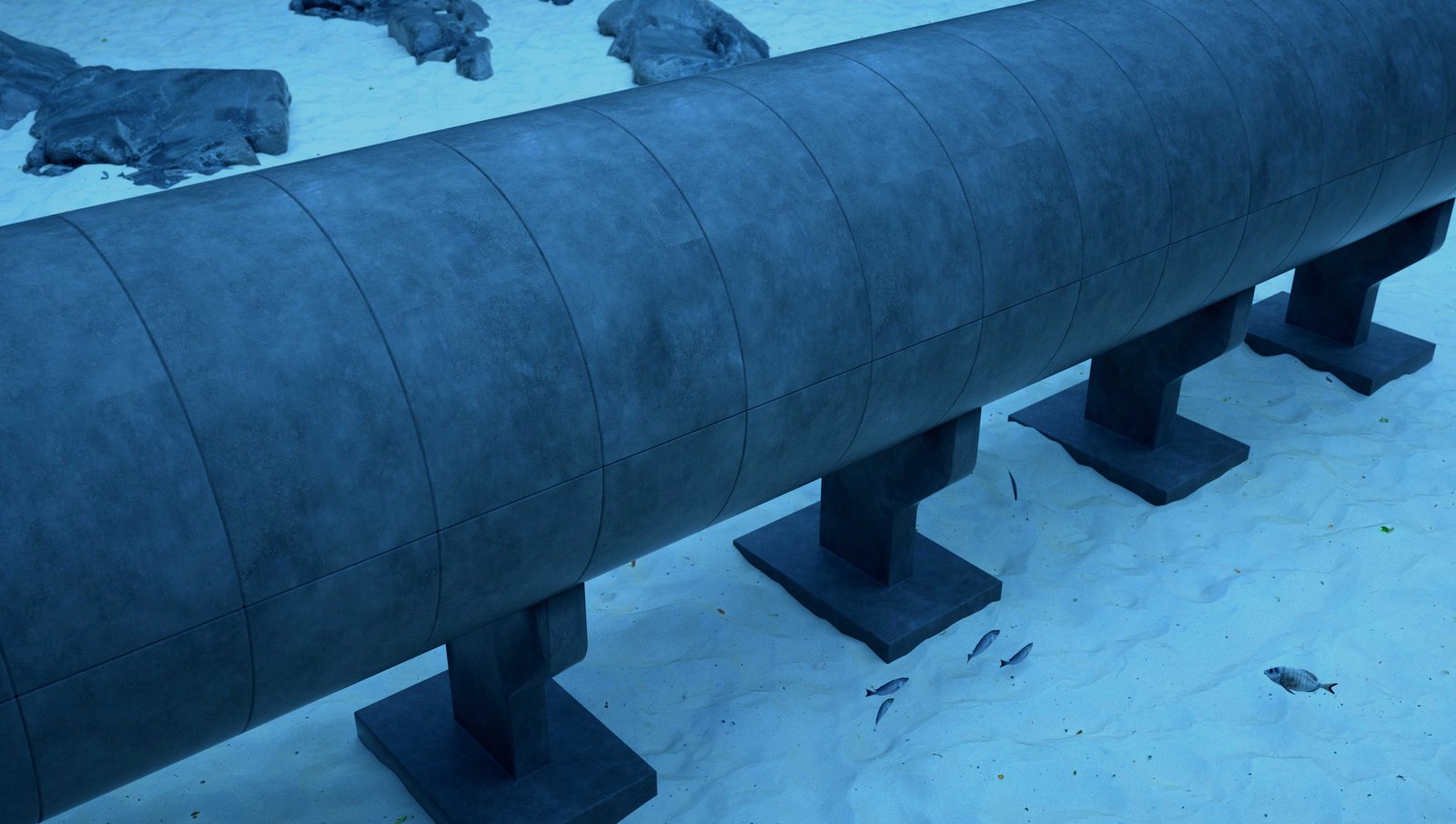
Subsea oil and gas
pipelines are frequently constructed by joining concrete-coated segments
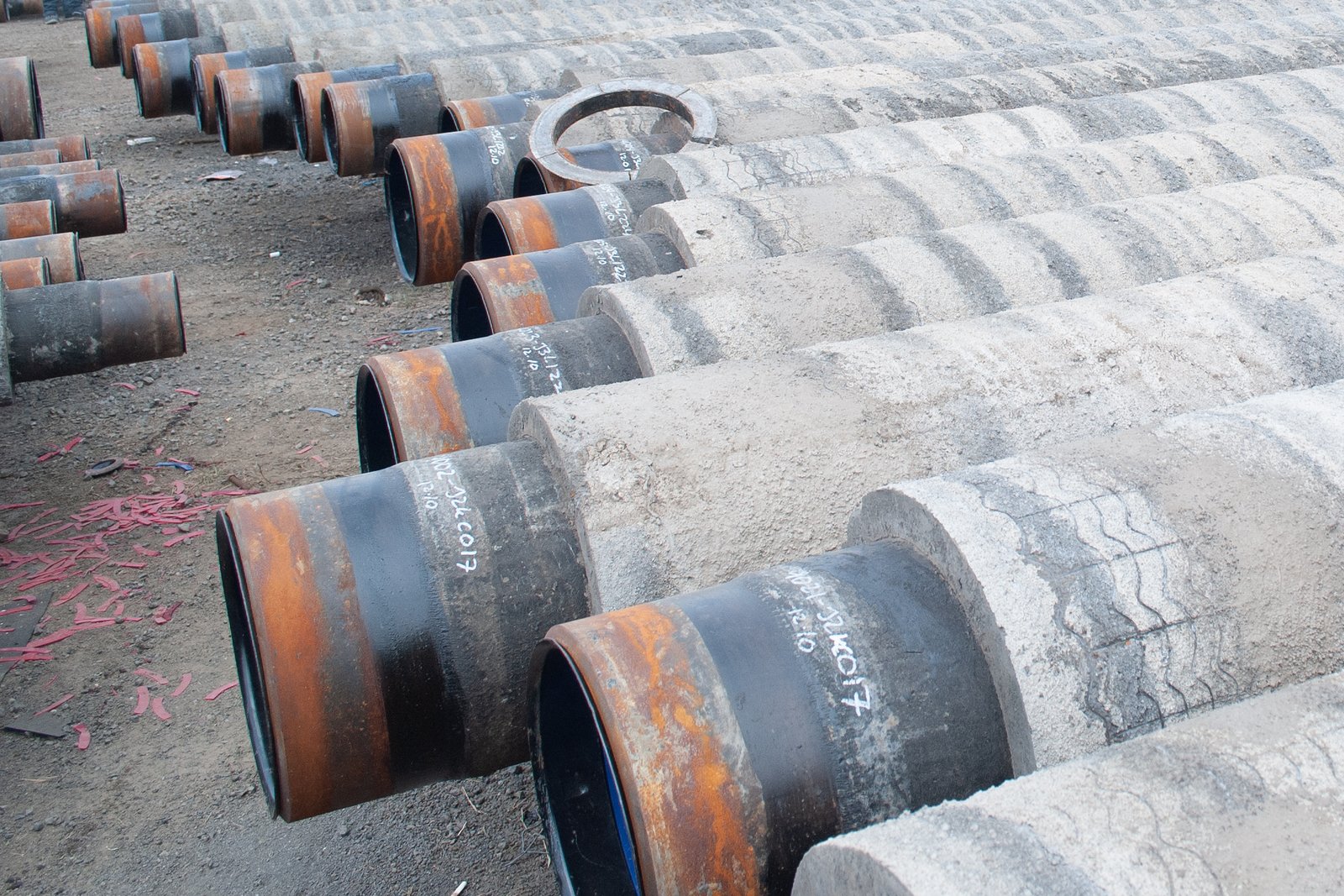
together. During construction, concrete-coated pipe may sit for six months to
several years before installation. Capital spares are often ordered at the same
time as the initial pipes but with a designed preservation life measured in
decades of idle time. To ensure that these capital spares do not deteriorate
prematurely, Cortec® shares several technologies and tips for preserving
concrete-coated pipes from corrosion.
Challenges
of Protecting Concrete-Coated Spares
Subsea pipe spares are
often stored near the coast due to material handling difficulties. An
incredibly long storage period and an aggressive environment combine to pose a
frequently overlooked risk for long-term integrity. Although the concrete
coating will initially protect the outside of each steel pipe segment, the
concrete will absorb moisture, chlorides, and carbon dioxide over time,
eventually leading to corrosion. Extreme temperature swings and sporadic
inspection intervals can exacerbate the problem. To complicate matters, the
concrete coating makes it difficult to access and treat the OD (outer diameter)
of the steel pipe.
Migrating
Corrosion Inhibitors to the Rescue
Migrating Corrosion
Inhibitor™ (MCI®) Technology is typically used to protect reinforcing metals
embedded in concrete because of its ability to travel through concrete pores to
reach the surface of the underlying metal. The same mechanism makes MCI®
suitable for protecting the metal pipe OD of concrete-coated pipe. Migrating
Corrosion Inhibitors applied to the outside of the concrete pipe can gradually
migrate as much as several inches into the concrete to form a protective
anticorrosive molecular layer on the steel OD.
When
to Preserve Capital Spares
Preservation of spare
concrete-coated pipes should be done as soon as possible. Any delay gives
moisture and chlorides a chance to start attacking the concrete and steel.
Although preservation can be done later, additional rust removal and cleaning
may be needed by then. In worst case scenarios, preservation may be neglected
so long that corrosion compromises the integrity of pipe segments and new ones
must be purchased, defeating the purpose of capital spares.
Protecting
the Outer Diameter
If integrity is confirmed
and surfaces are clean, the concrete surface may be treated with MCI®-2020.
This topical solution has the highest concentration of Migrating Corrosion
Inhibitors compared to other surface applied corrosion inhibitors (SACIs) on
the market. For further protection, a water repellent can be added to hinder
the entrance of additional moisture and chlorides while trapping the MCI®
inside. Alternatively, MCI®-2018, which contains MCI® in a 100% silane water
repellent, can be used alone or (for maximum protection) in conjunction with MCI®-2020.
Both MCI®-2020 and MCI®-2018 are certified to meet ANSI/NSF Standard 61 for use
in drinking water system components, making them attractive for those laying
pipeline in environmentally protected waters where dangerous leachates are a
concern for sea life.
Pipe
Ends and Inner Diameter
Often, several inches on
each end of a subsea pipe are not coated with concrete. Here, MCI® CorShield®
can be applied to protect the exposed metal. This water-based removable coating
provides excellent protection in unsheltered outdoor environments and cures to
a soft non-tacky film that eventually hardens. If the capital spares need to be
installed, the coating can be removed with an alkaline cleaner, if desired.
The inner diameter (ID) of
the pipeline segment should also be protected by fogging it with CorroLogic®
Fogging Fluid VpCI®-339. This chemistry is similar to MCI® and migrates through
void spaces to form a molecular protective layer that remains as long as the
void stays closed. To meet this requirement and keep debris out, workers should
cap the ends of each pipe segment with a material such as MilCorr® VpCI® Shrink
Film, a heavy-duty plastic that also contains corrosion inhibitors. Once this
is done, the spares can be left alone and checked once or twice a year.
Keep
Your Capital Spares On-Call
Even though the need to install concrete-coated pipe spares may be unpredictable, these capital spares should remain on-call for emergency or routine replacement. Proper preservation helps oil and gas companies do so, keeping pipeline segments ready to use on short notice. Contact Cortec® to learn more about preservation of oil and gas capital spares with MCI®.

Related Articles


Current Issue

10-2026
