


Feeling the Heat? It?s Time to Think about Seasonal Layup of Cooling Systems!
The middle of summer, when
temperatures are soaring and air conditioning is blasting, is probably the last
time most people would want to think about shutting down their cooling systems.
Yet, it is the ideal time to start planning an effective anticorrosion strategy
for a successful layup next fall and winter. Cortec® is here to guide water
treatment service professionals and facility managers through the process.
Why
Lay Up Cooling Systems in Fall and Winter?
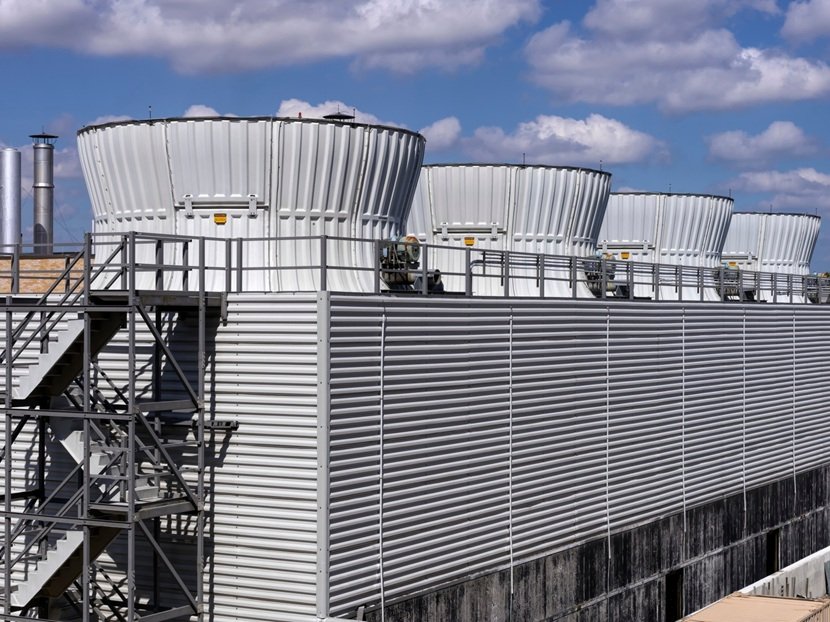
Cooling towers are a
critical part of many large-scale comfort cooling systems for commercial
buildings or district cooling centers. During the summer heat, they reach peak
operation as they strive to cool down the water that picks up heat while
circulating through facilities. When temperatures dip in the fall, these
cooling towers become less and less critical until they are no longer needed
and are often drained before freezing winter temperatures set in.
Chillers for industrial
cooling purposes can also be in higher demand during the summer. For example,
data centers that inherently heat up from server activity need additional
chillers online to keep systems cool during high summer temperatures. When fall
and winter roll around, there is less need to cool things down; some of the
chillers can be drained and shut down for seasonal layup until the following
spring.
Why
Is Corrosion Protection Needed During Seasonal Layup?
An idle system is more
vulnerable to corrosion than an active one. During layup, the normal water
treatment chemistry is no longer actively flowing through the system to prevent
corrosion. Furthermore, residual water in the system or condensation from
fluctuating temperatures can create an opportunity for corrosion to initiate
and fester. While the status quo for cooling system layup is often simply
shutting down the system and hoping for the best, taking a proactive approach
to corrosion protection is the optimal way to maintain asset integrity and
promote a longer service life.
Is
It Better to Ask the “Frog” or “Gator” for Help?
The actual treatment
strategy will depend on whether the system is closed or open and whether the
layup is wet or dry. In the case of closed loop systems (such as chillers) that
are drained and shut down, Cortec’s Cooling Tower Frog® presents a convenient
and effective option in the form of Vapor phase Corrosion Inhibitors packaged
in a water-soluble pouch. When slit open and placed inside the chiller water
box after draining, these pouches effuse corrosion inhibiting vapors that form
a protective molecular layer on metal surfaces. All chiller openings should be
closed to trap these protective vapors inside the system. When the chiller is
refilled at the end of layup, the water-soluble pouch will dissolve in the
water, making startup incredibly simple and avoiding the corrosion
complications of an inadequate layup.
Those with open loop
systems will gravitate toward the Cooling Loop Gator®, a water-soluble bag of
corrosion inhibitors that can be directly added to the water and circulated for
12-24 hours to build up a good protective film on the metal surfaces. The water
can be completely drained or left in the tower as needed, leaving behind a good
supply of contact and Vapor phase Corrosion Inhibitors to protect cooling tower
internals.
Next
Time You Feel the Heat . . .
The next time you experience the heat of summer and cannot wait to get inside an air conditioned structure, think about the upcoming layup season when temperatures will drop and cooling systems will no longer be indispensable. Plan now to have your corrosion protection strategy in place for a successful seasonal layup!
Related Articles



Current Issue

10-2026
