


LANXESS Uses Hydrogen to Decarbonise Large-Scale Iron Oxide Pigment Production
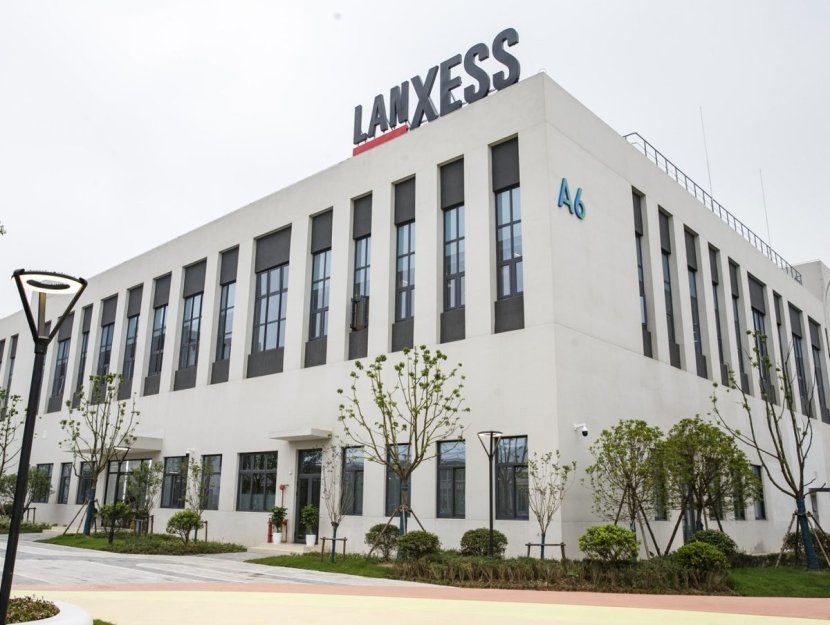
Hydrogen-powered
spray dryer at Krefeld-Uerdingen is expected to cut CO₂ emissions by around
6,000 tonnes annually
Specialty
chemicals company LANXESS has begun using hydrogen instead of natural
gas to power a large-scale industrial process at its Krefeld-Uerdingen site
in Germany, marking a step towards lower-carbon chemical production.
The
company has converted the fuel system of its iron oxide pigment spray dryer to
hydrogen. The facility is among the first large-scale industrial plants in
Germany designed to use hydrogen as a fuel for continuous operation.
The
switch is expected to reduce the plant’s carbon footprint by approximately 6,000
metric tonnes of CO₂ per year.
Hydrogen Supplied Directly from Neighbouring Plant
The
project benefits from the integrated infrastructure of the Krefeld-Uerdingen
industrial site. Hydrogen required for the process is generated as a byproduct
of chlorine electrolysis at the neighbouring Covestro facility.
The
hydrogen is transported directly to LANXESS through a dedicated pipeline,
eliminating the need for external transportation and enabling a continuous
supply.
“Switching
from a natural gas burner to a hydrogen burner is a significant technological
step towards low-greenhouse-gas processes,” said Michael Ertl, Head of the
Inorganic Pigments business unit at LANXESS.
He added
that the project demonstrates the potential to apply industrial decarbonisation
technologies not only in pilot projects but also in the daily operation of
large production facilities.
Hydrogen Burner Installed and Integrated
LANXESS
installed the hydrogen burner at the end of 2025 and gradually brought
the system into operation.
The
installation is designed to operate entirely on hydrogen and required several
technical modifications, including:
- A dedicated hydrogen supply
line
- An adapted industrial burner
- Advanced measurement and
control technology
- Additional safety systems
- Enhanced process-control
systems
The
conversion allows the spray dryer to replace natural gas with hydrogen while
maintaining the requirements of the industrial production process.
Integrated Industrial Site Supports Transition
The close
integration of LANXESS and Covestro at Krefeld-Uerdingen has been an important factor
in implementing the project.
According
to Rob Eek, Production Manager at Covestro in Krefeld-Uerdingen, the
project demonstrates how companies operating within an integrated industrial
site can collaborate to support the transition towards more climate-friendly
production.
Short
pipeline distances, shared infrastructure and established safety systems help
provide a reliable hydrogen supply while supporting efficient integration of
the new fuel system.
LANXESS
and Covestro already have an established production relationship at the site.
Covestro supplies nitrobenzene, which LANXESS uses in the production of iron
oxide pigments. Aniline generated as a byproduct is subsequently returned to
Covestro for use as a raw material in plastics production.
The hydrogen
project adds another element to this interconnected manufacturing model.
Supporting Lower-Carbon Pigment Production
LANXESS
is one of the leading global manufacturers of inorganic pigments,
including iron oxide and chromium oxide pigments used in construction
materials, paints and coatings, plastics and specialty applications.
The
company operates what it describes as the world’s largest iron oxide pigment
production facility at Krefeld-Uerdingen, where iron oxide pigments have
been manufactured for approximately 100 years.
The
company’s pigments are also positioned as having a relatively low carbon
footprint compared with products from other industry processes. One factor is
the Laux process, which LANXESS uses for production and which generates
very little waste while enabling efficient energy use.
Hydrogen Adds to Industrial Decarbonisation Efforts
The
conversion of the spray dryer demonstrates how hydrogen can be integrated into
existing large-scale industrial infrastructure where suitable supply and
process conditions are available.
By
replacing natural gas with hydrogen and leveraging the existing Verbund
infrastructure at Krefeld-Uerdingen, LANXESS aims to reduce emissions while
maintaining continuous production of iron oxide pigments.
The
project represents another example of industrial companies using process
integration, byproduct utilisation and alternative fuels to reduce the
carbon intensity of established manufacturing operations.
Related Articles



Current Issue
11-2026
