


Union-Budget-2025-26
 Mr.
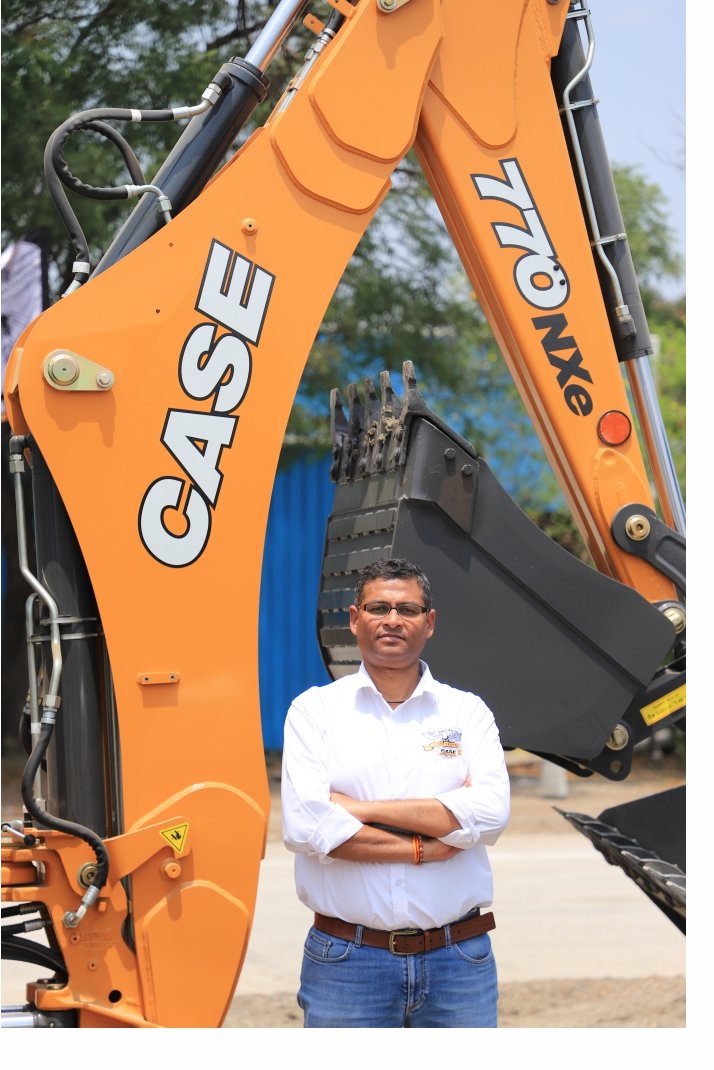
Shalabh Chaturvedi, MD, CASE Construction Equipment – India & SAARC
Mr.
Shalabh Chaturvedi, MD, CASE Construction Equipment – India & SAARC
“The Union Budget reflects
a strong commitment to inclusive and sustainable growth, covering key areas
such as infrastructure development, green energy, taxation reforms, and social
welfare. The substantial increase in funding for key infrastructure projects,
NIP extension, bridging the rural-urban divide, and enhanced allocations urban
infrastructure set the stage for new opportunities in Construction Equipment
Industry. The ₹2.87 lakh crore allocation for road transport and highways is a
significant investment that aligns with our mission to support and strengthen
India's infrastructure growth.
Furthermore, the emphasis
on National Centers of Excellence for Skilling and vocational training is a
welcome move, ensuring that India is future-ready by integrating innovation,
technology, and workforce development. With initiatives like the National
Manufacturing Mission, 50,000 Atal Tinkering Labs, and Centres of Excellence in
AI, the government is fostering a robust ecosystem that promotes growth,
upskilling, and employment generation. We are excited to be part of this
transformative journey and contribute to India's economic and industrial
progress.”
 Mr.
Puneet Vidyarthi, Head of Brand Marketing, CASE Construction Equipment - APAC
& President, Rural Marketing Association of India
Mr.
Puneet Vidyarthi, Head of Brand Marketing, CASE Construction Equipment - APAC
& President, Rural Marketing Association of India
"The Union Budget
places a strong emphasis on agricultural growth and rural prosperity,
reinforcing the foundation of 'Bharat.' The modified UDAN scheme, aimed at
connecting 120 new destinations across India, is a game-changer, paving the way
for progress by enabling better connectivity, fostering reverse migration, and
generating employment opportunities in Tier 2 and Tier 3 cities.
Additionally, allowing
states an additional borrowing limit of 0.5% of GSDP opens the door for more regional-level
reforms and development. The budget strikes a unique balance between urban and
rural growth, green initiatives, infrastructure expansion, innovation, and
social welfare. In essence, this budget empowers rural India, ensuring
inclusive and sustainable progress for the nation.”
 Mr.
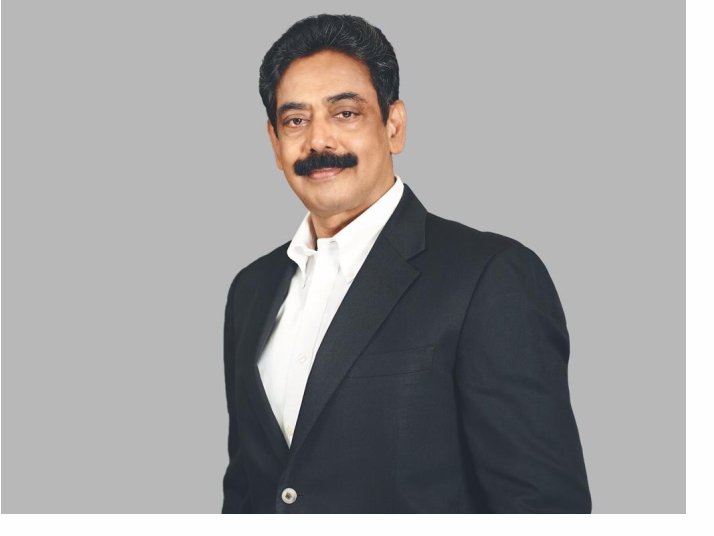
Yancharla Rathnakara Nagaraja, Managing Director, Ramky Infrastructure Limited.
Mr.
Yancharla Rathnakara Nagaraja, Managing Director, Ramky Infrastructure Limited.
The budget introduces a
range of infrastructure proposals aimed at fostering growth and improving
efficiency across sectors. The emphasis on Public-Private Partnerships (PPP)
through the creation of a 3-year pipeline of projects for each ministry
reflects a clear intent to leverage private sector involvement in
infrastructure development. This is further supported by the India Infrastructure
Project Development Fund (IIPDF), which encourages state governments to seek
assistance in project execution.
The ₹1.5 lakh crore outlay
for interest-free loans to states underscores the importance of supporting
regional development and incentivizing reforms. The second Asset Monetization
Plan (2025-30) will unlock value from public assets, reinvesting capital into
further infrastructure projects.
The ₹1 lakh crore Urban
Challenge Fund is dedicated to urban reforms, focusing on improving governance,
municipal services, and urban planning. Additionally, the modified UDAN scheme,
which aims to enhance regional connectivity, alongside the development of
greenfield airports in Bihar and the expansion of Patna airport, will
significantly improve transportation infrastructure.
The support for projects
like the Western Koshi Canal ERM Project demonstrates the commitment to
improving agricultural infrastructure. Lastly, providing private sector access
to the PM Gati Shakti portal data is a crucial step toward optimizing project
planning and execution, fostering greater collaboration between public and
private entities in shaping the future of India’s infrastructure.”
 Mr.
N S (Satya Narayana) Rao, Group CFO,
Ramky Group
Mr.
N S (Satya Narayana) Rao, Group CFO,
Ramky Group
“The Budget 2025 outlines a
promising approach to driving sustainable growth, with a particular focus on
Infrastructure. Finance Minister Smt. Nirmala Sitharaman's fiscal consolidation
strategy, with a projected fiscal deficit of 4.4% of GDP for FY25-26, sets the
stage for a steady transition towards a Viksit Bharat. While the capital
expenditure outlay has been reduced, there is a clear shift towards innovative
financing mechanisms. The increased focus on Public-Private Partnerships (PPPs)
signals a more collaborative approach to infrastructure development, leveraging
private sector expertise and investment. Additionally, the emphasis on
supporting states with interest-free loans for capital expenditure and
incentivizing reforms will help strengthen regional infrastructure. The planned
asset monetization strategy is another key development, with the potential to
reinvest significant capital into new projects, fueling long-term growth.
Collectively, these initiatives reflect a forward-thinking approach that
prioritizes sustainable infrastructure development and quality growth.”
 Mr.
Vivek Bhatia, MD & CEO, TKIL Industries
Mr.
Vivek Bhatia, MD & CEO, TKIL Industries
Balanced
budget, boost for economic growth while improving on fiscal deficit
The Union Budget 2025-26,
presented by Finance Minister Nirmala Sitharaman, prioritizes sustained reforms
in manufacturing, mining, power, and skill development along with improving
ease of doing business to advance the 'Viksit Bharat' vision. These sectors
will be key drivers of growth, infrastructure development, governance
improvements, and sustainable development for the country. We welcome the
government's move towards accelerating India's manufacturing sector. Over the
past decade, structural reforms have drawn global attention, and the
announcement of a National Manufacturing Mission is a significant step in
strengthening the Make in India initiative. This will drive clean-tech
manufacturing, bolstering the ecosystem for solar cells, EV batteries, wind
turbines, and more.
The ₹1.5 lakh crore
allocation for 50-year interest-free loans is set to accelerate infrastructure
development, unlocking new growth avenues for us.
These strategic measures
position India as a rising global manufacturing hub, seamlessly aligning with
its green energy and economic ambitions.
Further, the initiatives on
tax rationalisation will give a boost to the consumption economy further
driving economic growth.
We applaud these
initiatives and eagerly anticipate the forthcoming policy on critical mineral
recovery, which will play a pivotal role in driving sustainable industrial
growth.
 Mr.
Harsh Pareek, Regional Sales Director, India and SAARC, Trimble Solutions.
Mr.
Harsh Pareek, Regional Sales Director, India and SAARC, Trimble Solutions.
“With ₹1.5 lakh crore
allocated as interest-free loans to states for infrastructure development and
continued investment in highways, urban transport, and smart cities, the Union
Budget 2025 reinforces the government's commitment to modernizing India's infrastructure.
The emphasis on digitalization and sustainable construction practices is a
welcome move that will not only enhance project efficiency but also improve
quality and reduce waste. At Trimble, we see immense potential in leveraging
AI, automation, and digital twin technologies to support this vision. By
integrating advanced construction technologies, we can help India build faster,
safer, and more cost-effective infrastructure that stands the test of time.”
 Mr.
Ajitesh Korupolu, Founder & CEO of ASBL
Mr.
Ajitesh Korupolu, Founder & CEO of ASBL
‘From a personal finance
perspective, the budget introduces a significant tax exemption for individuals
owning two self-owned properties, easing the financial burden for those looking
to expand their real estate holdings. Additionally, the tax relief aimed at the
middle class is expected to reduce the overall tax burden, giving individuals
more financial flexibility as they consider buying their first home. While
these moves aren't direct incentives for home loan interest, they still play a
crucial role in making homeownership more accessible. Reforms in REITs are also
anticipated to provide increased liquidity in the market, opening up new
investment opportunities.
By focusing on
infrastructure and easing the tax burden, the budget is laying the foundation
for a more feasible path to homeownership, especially for those in the
middle-income bracket looking to step into the real estate market.’
 Mr.
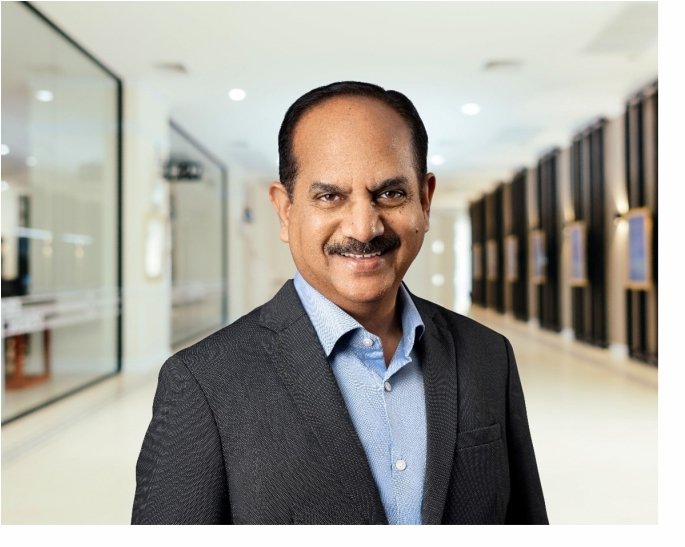
Balfour Manuel, Managing Director, Blue Dart.
Mr.
Balfour Manuel, Managing Director, Blue Dart.
“The Union Budget 2025-26
is a forward-looking and growth-oriented blueprint that strengthens India's
economic resilience while fostering innovation and efficiency across key
sectors. It lays a strong foundation for the future of India's logistics
sector, reinforcing its role as a key enabler of economic growth.
The introduction of
BharatTradeNet is a significant step towards digitizing trade processes,
enhancing supply chain efficiency, and aligning with global best practices.
Additionally, the focus on air cargo infrastructure upgradation and streamlined
cargo screening and customs protocols will improve turnaround time, boost
efficiency, and support high-value and perishable cargo movement. The National
Manufacturing Mission is set to drive higher logistics demand, while the
Modified UDAN Scheme, expanding connectivity to 120 more destinations, will
strengthen air cargo networks and improve access to hinterland markets.
With a continued focus on
infrastructure development, technology integration, and policy support, these
initiatives will drive greater logistics efficiency and position India as a
global trade and supply chain leader.”
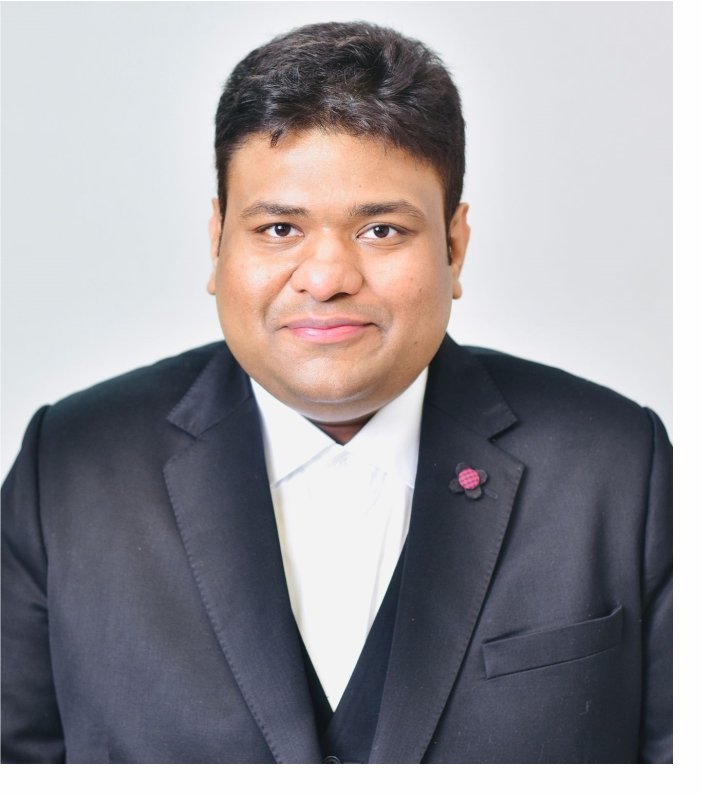 Mr.
Akshat Khetan, Founder, AU Corporate Advisory and Legal Services (AUCL)
Mr.
Akshat Khetan, Founder, AU Corporate Advisory and Legal Services (AUCL)
“The Union Budget 2025 sets
the stage for India to become a global manufacturing hub. The government's focus
on boosting domestic production, reducing import dependency, and supporting key
industries like mobile manufacturing and electric vehicles is a clear
commitment to enhancing India's manufacturing capabilities. By providing tax
exemptions and customs duty reductions, the budget offers the right incentives
for businesses to scale up and invest in India's manufacturing sector,
positioning it for long-term growth and global competitiveness.”
 Mr.
Sunjay J Kapur, Chairman, Sona Comstar & Deputy Chairman, CII Northern
Region
Mr.
Sunjay J Kapur, Chairman, Sona Comstar & Deputy Chairman, CII Northern
Region
“The Union Budget 2025 lays
a strong foundation for sustainable urban growth, infrastructure modernisation
and a thriving investment climate. The National Manufacturing Mission under
Make in India will create a robust framework for industries across solar PV,
electrolysers, and grid-scale batteries. The expanded ₹10,000 crore Fund of
Funds will provide a vital boost to startups, driving innovation and
entrepreneurship. The ₹1 lakh crore Urban Challenge Fund and enhanced
infrastructure support will catalyse economic activity and improve liveability
in cities. Initiatives like Atal Tinkering Labs, National Centres of
Excellence, and IIT expansion will equip India's youth with future-ready
skills.
Exemptions on basic customs
duty for EV components and critical minerals, along with a model Bilateral
Investment Treaty, reinforce India's commitment to self-reliance and global
competitiveness. Overall, this budget marks a decisive step towards positioning
India as a global powerhouse in manufacturing, mobility, and clean technology.”
 Mr.
Avneesh Sood, Director, Eros Group.
Mr.
Avneesh Sood, Director, Eros Group.
“The Union Budget 2025
brings significant relief to the middle class, making homeownership more
accessible and real estate investment more attractive. The ₹1 lakh crore Urban
Challenge Fund will drive city growth, improving infrastructure and livability.
First-time homebuyers will benefit from enhanced tax incentives and relaxed TDS
thresholds on rent, reducing financial strain. Affordable housing initiatives,
including the completion of 40,000 units under the SWAMIH Fund, will provide
more options for aspiring homeowners. The rationalization of property tax
provisions simplifies compliance, easing the burden on buyers. Additionally,
streamlined REIT regulations will enhance investment opportunities, offering
the middle class new avenues for wealth creation. With a focus on
infrastructure, fiscal stability, and housing accessibility, the Budget
strengthens consumer confidence and supports real estate as a key driver of
economic growth. These measures will empower the middle class, ensuring
long-term affordability and financial security in homeownership.”
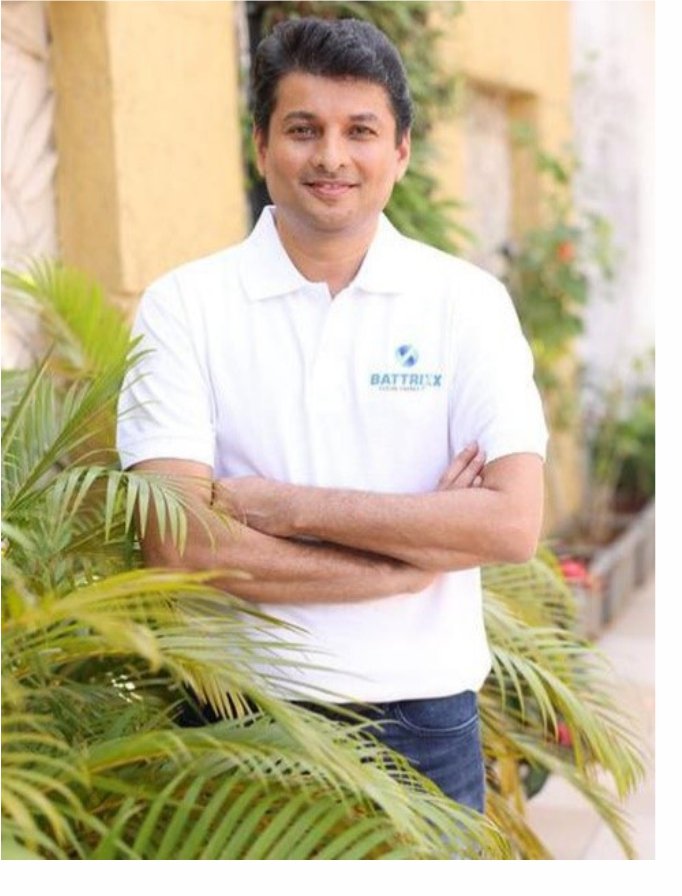 Mr.
Anand Kabra, Vice Chairman and Managing Director, GEON
Mr.
Anand Kabra, Vice Chairman and Managing Director, GEON
“The announcement of a
National Manufacturing Mission focused on clean tech manufacturing marks a
pivotal moment for India's sustainable industrial future. As a company deeply
invested in green energy solutions and advanced battery technology, GEON
welcomes this strategic policy support that will strengthen domestic manufacturing
capabilities in EV batteries. The mission aims to improve domestic value
addition and build our ecosystem for EV batteries, motors and controllers,
electrolysers, wind turbines, very high voltage transmission equipment, and
grid-scale batteries.
The Government's commitment
to bolstering the renewable energy ecosystem will accelerate India's transition
to sustainable energy and create a robust framework for innovation. This policy
support will be transformative for India's industrial landscape, helping
manufacturers reduce operational costs while advancing their sustainability
goals. The focus on grid-scale batteries is particularly significant, as it
will play a crucial role in stabilizing and expanding India's clean energy
infrastructure. At GEON, we look forward to contributing our expertise and
working alongside the Government to realize the vision of a cleaner, more
sustainable industrial landscape in India.”
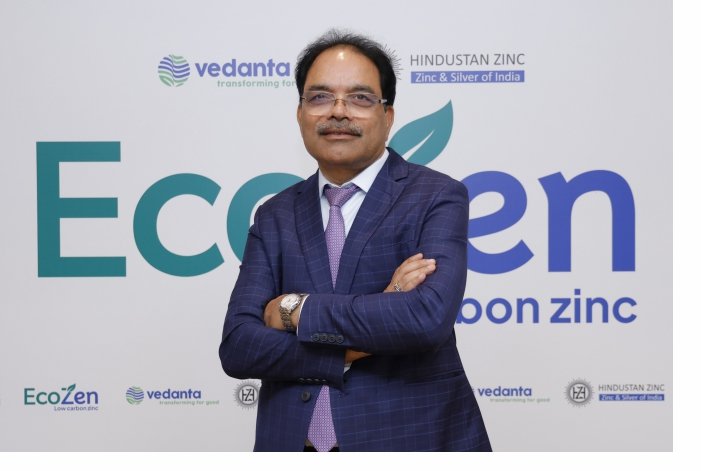 Mr.
Arun Misra, CEO – Hindustan Zinc Limited
Mr.
Arun Misra, CEO – Hindustan Zinc Limited
The budget presented by the
Finance Minister is designed to accelerate growth, deeply rooted in the journey
of our nation's holistic development. The increased outlay for infrastructure
spending marks a new era in India's infrastructure growth which will
undoubtedly provide impetus to other sectors as well. Support for states
through interest-free loans to the tune of Rs. 1.5 lakhs crores and the
creation of an urban challenge fund of Rs. 1 lakh crore for infrastructure
projects, presents an opportunity for the manufacturing sector to develop new
technologies and invest in innovation. The modernization of airports, ports,
and greenfield developments further galvanizes India's infrastructure backbone,
driving both employment for the youth and GDP growth.
The mining reforms
introduced in the budget position India as a key player in the critical
minerals sector. The sharing of best practices and institutionalizing a State
Mining Index for minor minerals along with a policy for recovery of critical
minerals from tailings will enable circularity and innovation within the
industry. As the country transitions to a low-carbon economy, these minerals
will play a pivotal role, with metals forming the foundation of this shift. The
announcement of the National Manufacturing Mission and measures to support MSMEs
with access to credit & export assistance will create a robust domestic
production ecosystem that will be integrated into global supply chains. As
India's largest and the world's second-largest integrated zinc-lead producer,
we are optimistic about the transformative impact of these initiatives which
will enhance the competitiveness of India's critical minerals sector while
supporting industries such as electric vehicle manufacturing and renewable
energy storage.
 Himanshu
Kapadia, Cluster Head of India, Middle East and Turkey, Master Builders
Solutions
Himanshu
Kapadia, Cluster Head of India, Middle East and Turkey, Master Builders
Solutions
The Budget 2025 brings a
positive outlook for the construction industry. Initiatives like the Udaan
scheme, economic corridors, industrial parks, and interest-free infrastructure
loans to state governments are all steps in the right direction. Additionally,
increased capital expenditure and policy support for urban development will
further drive growth in the sector.
However, execution
efficiency remains key. In 2024-25, infrastructure spending fell short of the
allocated budget. This year, the government must ensure timely project
execution and full utilization of funds to maximize economic impact and
sectoral growth.
 Mr.
Vivek Lohia, Managing Director of Jupiter Wagons Limited
Mr.
Vivek Lohia, Managing Director of Jupiter Wagons Limited
"India's
infrastructure environment is being redefined by Public-Private Partnerships
(PPPs), which give crucial projects efficiency, speed, and innovation. PPPs are
speeding up execution, releasing investment, and increasing industrial capacity
in the areas of manufacturing, logistics, and mobility by fusing the vision of
the public sector with the experience of the private sector. The goal of this
partnership is to construct a robust, future-ready economy, not only roads,
railroads, and ports.
With a greater emphasis on
digital integration, sustainability, and smooth mobility, PPPs will create
high-value jobs and stimulate economic growth. India's competitiveness on the
international scene will be further enhanced by the focus on long-term funding
and structural changes. India is poised to set new standards for infrastructure
quality by creating an environment where the public and private sectors
collaborate.. A solid PPP structure will ensure that progress is not only
world-class but also inclusive, sustainable, and aligned with India's long-term
development goals.”
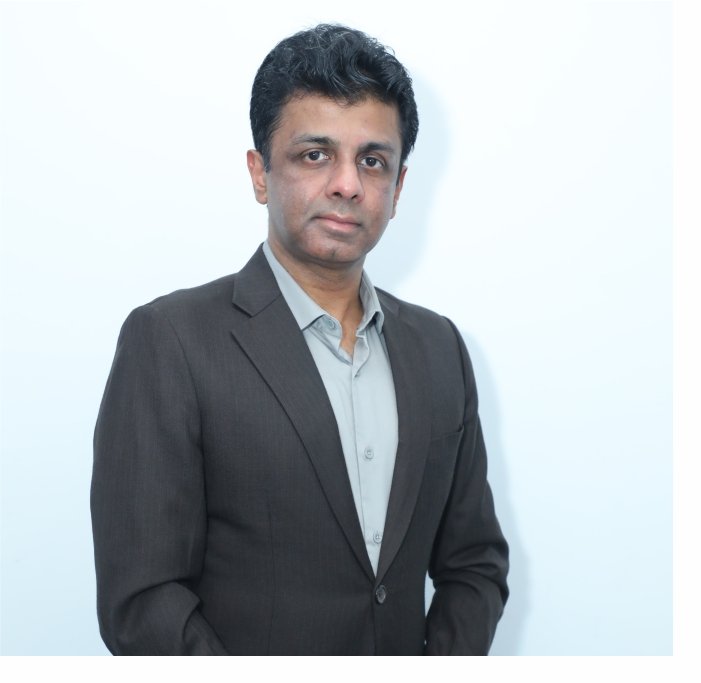 Mr.
Rajat Verma, Founder & CEO, LOHUM
Mr.
Rajat Verma, Founder & CEO, LOHUM
“The 2025 budget marks a
watershed moment in India's journey toward clean energy sovereignty and
circular economy leadership. The government's strategic vision for domestic
manufacturing and critical minerals recycling demonstrates remarkable foresight
in securing our sustainable future.
The elimination of import
duties on lithium-ion battery scrap, cobalt powder, and an array of critical
mineral wastes unlocks unprecedented opportunities. Coupled with the duty
exemption expansion to 63 additional capital goods for EV and mobile battery
production, this creates a robust foundation for India's manufacturing
renaissance.
The landmark ₹20,000 crore
investment in private-sector R&D for emerging technologies signals a
transformative shift in building a sustainable critical minerals ecosystem. At
Lohum, where innovation drives our mission, we recognize this as a catalyst
that will revolutionize India's technological capabilities.
The introduction of a
comprehensive policy for critical minerals recovery from tailing epitomizes the
government's commitment to Atmanirbhar Bharat through circular innovation. This
strategic initiative, alongside the National Critical Mineral Mission and an Economic
Survey that deeply examines climate adaptation, charts a clear course toward
India's energy independence.
We extend our appreciation
to the government and stakeholders who have orchestrated these visionary
reforms. This demonstrated commitment to excellence positions India as a global
leader in energy transition and climate action. At Lohum, we stand ready to
amplify this momentum and drive India's sustainable future forward".
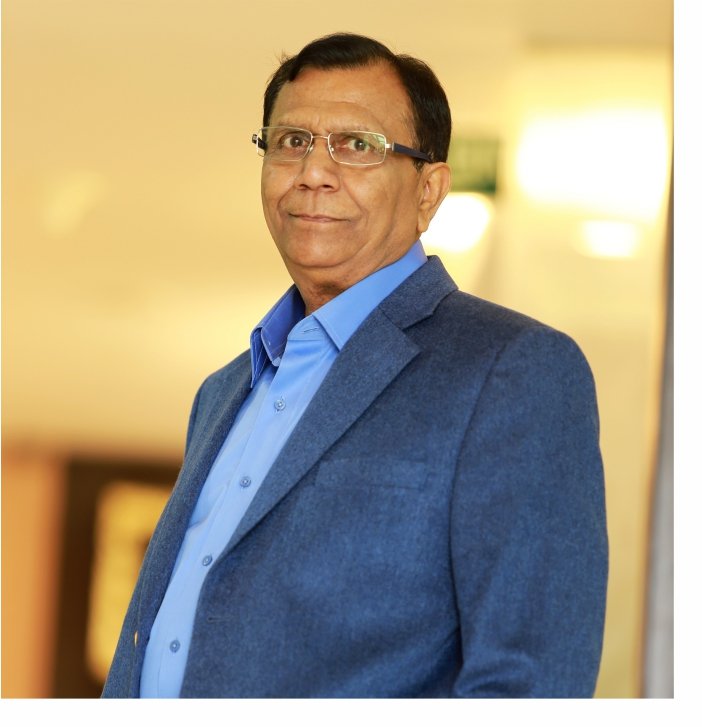 Mr.
Satish Kumar Agarwal, CMD, Kamdhenu Limited
Mr.
Satish Kumar Agarwal, CMD, Kamdhenu Limited
“The Honourable Finance
Minister Nirmala Sitharaman has presented a Budget which further strengthens
India's standing as the fastest-growing economy in the country and builds on
the clarion call of Aatmanirbhar Bharat made by Honourable Prime Minister Shri
Narendra Modi. The allocation of Rs. 15,000 crore towards SWAMI Fund 2 and the
setting up of Urban challenge fund of Rs. 1 lakh Crore for redevelopment of
cities will boost infrastructure development and demand for construction
materials.”
 Mr.
Nikhil Mansukhani, Managing Director, Man Industries Ltd. (steel pipes)
Mr.
Nikhil Mansukhani, Managing Director, Man Industries Ltd. (steel pipes)
"The Union Budget 2025
prioritizes India's infrastructure and manufacturing sectors with strategic
initiatives like the National Manufacturing Mission and 'Make in India,' aimed
at enhancing domestic production capabilities. The ₹1.5 lakh crore
interest-free loan for infrastructure and PPP projects will improve logistics,
reduce bottlenecks, and boost multimodal connectivity, which is crucial for
industries such as steel, oil & gas, and heavy engineering.
The introduction of Bharat
Trade Net and easier export credit access will streamline international trade,
making Indian manufacturers more competitive in global supply chains. However,
to fully capitalize on these opportunities, it is essential to ensure faster
execution, sector-specific incentives, and continuous policy support. With
India's manufacturing sector set to contribute 25% of GDP by 2030, these
initiatives are key to driving long-term growth and positioning India as a
global manufacturing leader.”
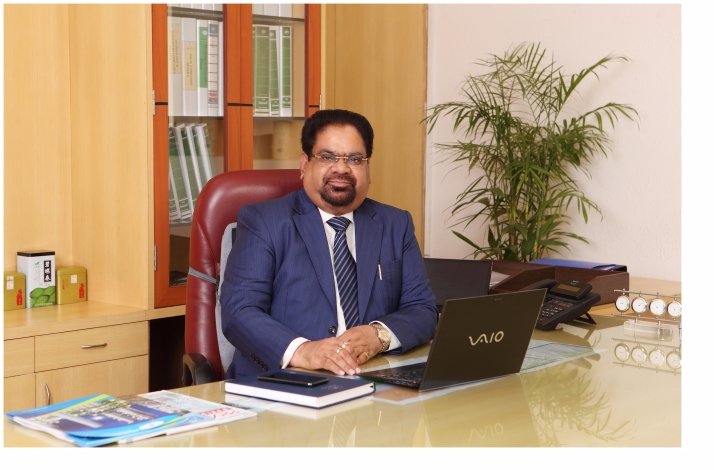 Mr
AK Tyagi, Founder, Chairman & Managing Director of Nuberg Engineering
Ltd. (Global EPC & LSTK Company)
Mr
AK Tyagi, Founder, Chairman & Managing Director of Nuberg Engineering
Ltd. (Global EPC & LSTK Company)
“The Union Budget 2025-26
lays a strong foundation for India's hydrogen economy, reinforcing the nation's
commitment to clean energy and industrial sustainability. With increased
support for green hydrogen production, industrial clusters, and manufacturing
infrastructure, the budget accelerates India's transition to a low-carbon
future. Investments in plant industries and factory infrastructure will drive
efficiency, self-reliance, and technological advancements in sectors like
chemicals, fertilizers, and steel.
With a strong focus on
industrial decarbonization and modern factory ecosystems, this budget paves the
way for large-scale adoption, innovation, and a resilient hydrogen-powered
industrial landscape. The emphasis on green hydrogen and ammonia-based
solutions will enhance India's capabilities in clean energy storage, fostering
long-term economic and environmental benefits.”
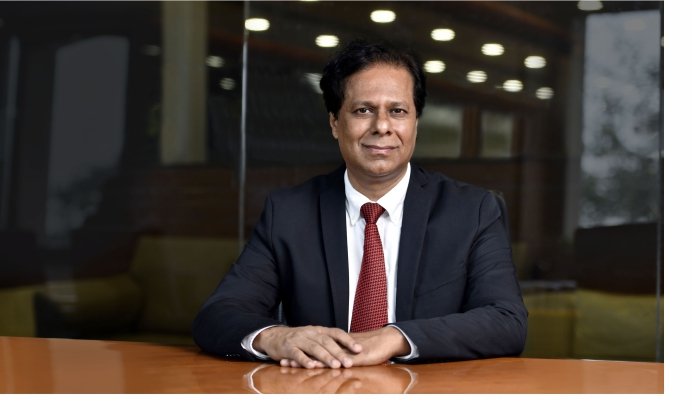 Mr.
Venkatesh Gopalakrishnan, Director Group Promoter's Office, MD - Shapoorji
Pallonji Real Estate (SPRE)
Mr.
Venkatesh Gopalakrishnan, Director Group Promoter's Office, MD - Shapoorji
Pallonji Real Estate (SPRE)
“The Union Budget 2025
introduces strategic measures to strengthen India's housing and urban
development sectors. The sustained support for Pradhan Mantri Awas Yojana,
alongside the government maintaining its robust capital expenditure trajectory
with an increased allocation of ₹11.21 lakh crore, demonstrates a comprehensive
approach to infrastructure development. This consistent capex commitment,
coupled with expanded infrastructure investments, creates a strong foundation
for real estate growth. The Income Tax reforms, which include relief on incomes
up to ₹12 lakhs for the middle class, put more disposable income in the hands
of the middle class, enabling them to direct funds toward both housing
investments and consumer spending. This increased liquidity naturally
stimulates housing demand while generating broader economic activity.
Furthermore, the budget's focus on sustainable construction practices positions
the sector for long-term growth by aligning with global environmental
standards. These coordinated policy measures enhance market dynamics by
expanding participation across income segments while fostering sustainable
development practices.”
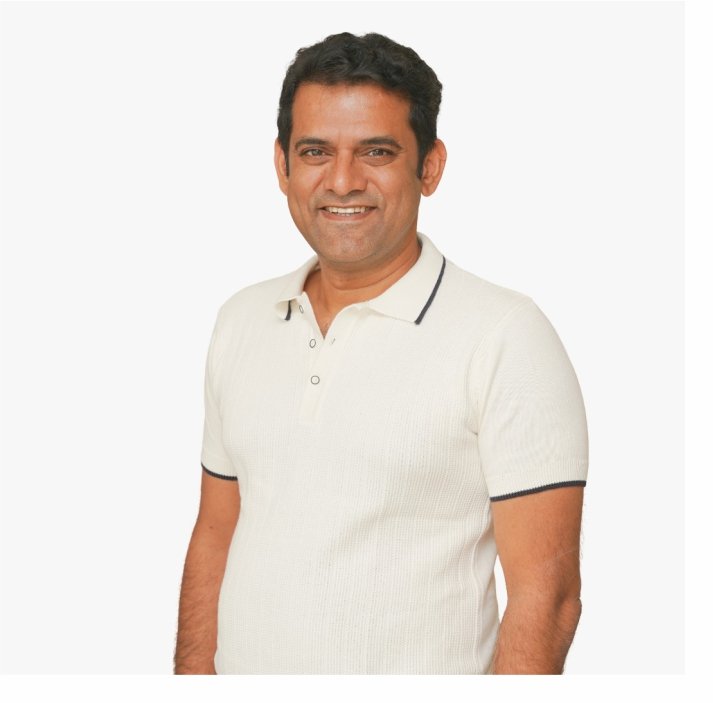 Mr
Ritesh Mastipuram, Founder & MD, Ridhira Group.
Mr
Ritesh Mastipuram, Founder & MD, Ridhira Group.
‘The Union Budget 2025 lays a strong
foundation for sustainable growth across real estate, infrastructure, and
wellness-driven developments. With increased investments in urban
infrastructure, affordable housing, and transit-oriented growth, the budget
fosters a future-ready real estate ecosystem that aligns with evolving investor
expectations. The emphasis on connectivity, green energy, and digital
transformation in property transactions is set to enhance ease of doing
business and attract long-term capital.
Beyond real estate and
infrastructure, the budget's focus on healthcare and wellness initiatives
complements the rising demand for holistic living spaces. The push for
sustainable urbanization, green buildings, and wellness-centric developments
will reshape residential and commercial spaces, ensuring a healthier and more
balanced way of life. These measures not only strengthen the investment outlook
but also position India as a leader in integrating wellness with real estate
and infrastructure, driving long-term value creation.’
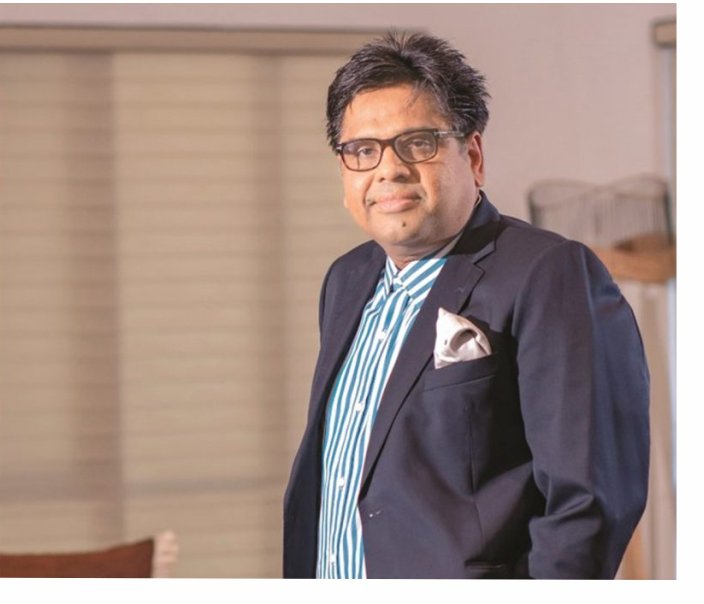 Mr.
Brij Bhushan Agarwal, Vice Chairman and Managing Director, Shyam Metalics
Mr.
Brij Bhushan Agarwal, Vice Chairman and Managing Director, Shyam Metalics
“As Budget 2025 plans revolve around national
growth and getting new opportunities, it brings new initiatives like The
National Manufacturing Mission while greatly focusing on the Public-Private
Partnerships (PPP). Similarly, it aims to strengthen the manufacturing section
of India, thus improving policies with the help of governance systems, making
sure ‘Make in India’ remains a priority. Public-Private Partnership on the
other hand aims to use the expertise and spending of the private sector in
society’s benefit by quickening the construction of major projects like roads,
bridges and urban development areas.
This plan will not only
attract investment and increase the demand for steel which plays an imperative
role in infrastructure development, but will also increase the industrial
activity in the region. In order to attain the set future vision, The Steel sector
needs to evolve towards safer and more advanced methods of production.
Increased infrastructure will directly allow the steel sector to increase its
production output. These changes will enhance the economy of India, along with
making the country more competitive on an international scale.”
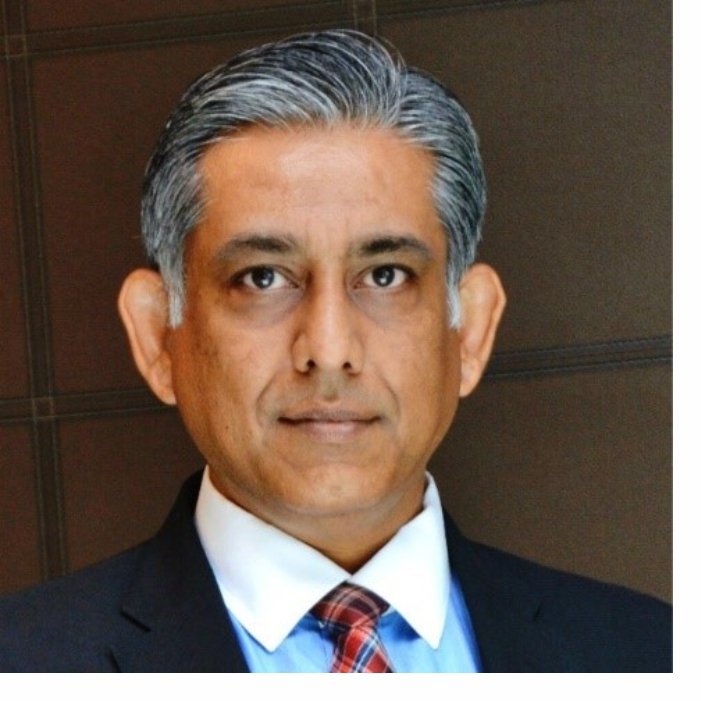 Mr.
Amit Sharma, MD & CEO, Tata Consulting Engineers
Mr.
Amit Sharma, MD & CEO, Tata Consulting Engineers
The Union Budget 2025-26
delivers a transformative push across key sectors, reinforcing India's
commitment to sustainable growth and self-reliance. The National Manufacturing
Mission's focus on cleantech industries, including solar PV cells, EV
batteries, electrolysers, and grid-scale batteries, will strengthen domestic
value addition and position India as a key player in global clean energy supply
chains. Investments in power transmission and distribution, along with
electricity distribution reforms, will modernise the sector and ensure
financial stability for DISCOMs.
Nuclear energy is a key
pillar of India's energy security and self-sufficiency, supporting a steady
shift to cleaner power while keeping the grid stable. The goal of reaching 100
GW of nuclear capacity by 2047 is backed by important reforms, including changes
to the Atomic Energy Act and the Civil Liability for Nuclear Damage Act,
allowing private sector involvement in nuclear projects. The ₹20,000 crore
investment in small modular reactors (SMRs) highlights India's plan to use its
rich thorium reserves for long-term energy independence. These advanced nuclear
technologies will provide reliable, scalable, and low-carbon energy,
strengthening the country's energy supply. This approach broadens the energy
mix and ensures long-term sustainability by reducing dependence on imported
fossil fuels.
Infrastructure remains a
key driver of economic growth, with ₹1.5 lakh crore in long-term interest-free
loans to states and ₹25,000 crore for maritime expansion, strengthening India's
connectivity and trade competitiveness. The extension of the Jal Jeevan
Mission, the ₹1 lakh crore Urban Challenge Fund, and affordable housing
initiatives will enhance urban living standards. The Critical Minerals
Development Policy, alongside customs duty exemptions on essential resources,
ensures a secure supply chain for high-tech industries, supporting India's
ambitions in advanced manufacturing and clean energy. Green bonds and hydrogen
R&D incentives further reinforce our commitment to a net-zero future. Tata
Consulting Engineers stands ready to contribute through innovative engineering
solutions, supporting India's journey towards a resilient and globally
competitive economy.
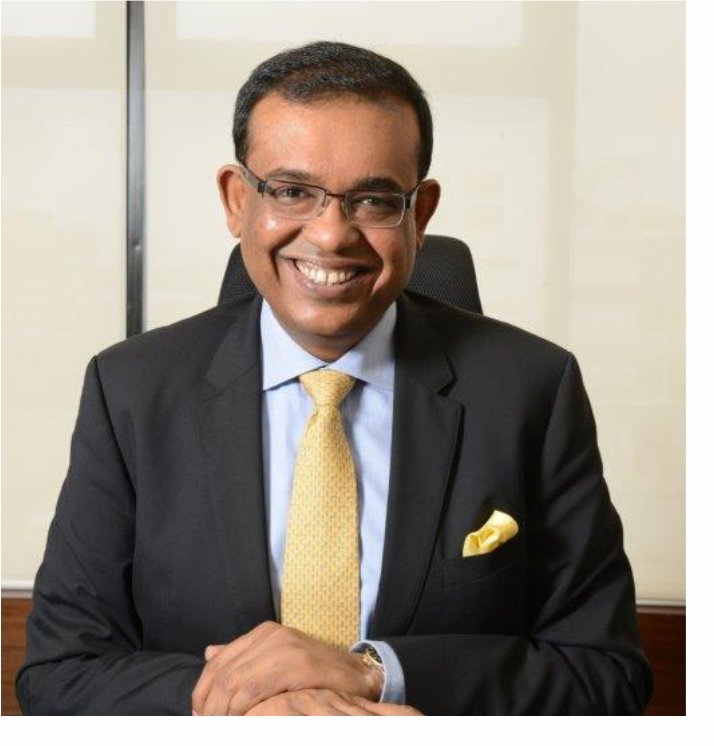 Mr.
Umesh Chowdhary, Vice Chairman & MD, Titagarh Rail Systems Limited
Mr.
Umesh Chowdhary, Vice Chairman & MD, Titagarh Rail Systems Limited
“We welcome the Union
Budget 2025-26, which reinforces the government's commitment to strengthening
India's rail infrastructure and operational efficiency. The ₹2.9 lakh crore
allocation, a 12% increase from last year, supporting 300 new Vande Bharat
trains, modernization of 1,200 stations, 100% route electrification, and bullet
train expansion, will drive key developments. Investments in freight corridors
and AI-driven Kavach safety systems will enhance logistics and passenger
safety, while the focus on rail MRO capabilities ensures long-term reliability.
Additionally, export-driven initiatives under the National Manufacturing
Mission and Export Promotion Mission will bolster India's global
competitiveness, opening new avenues for manufacturers and aligning with the
Viksit Bharat vision.
The creation of a ₹25,000
crore Maritime Development Corpus, along with revamped shipbuilding financial
assistance, will empower Indian companies to invest in modern vessels, advanced
technology, and infrastructure, ultimately making them more competitive in the
global market. Additionally, the establishment of shipbuilding clusters and
port expansions will enhance the industry's infrastructure, leading to
increased efficiency and lower costs."
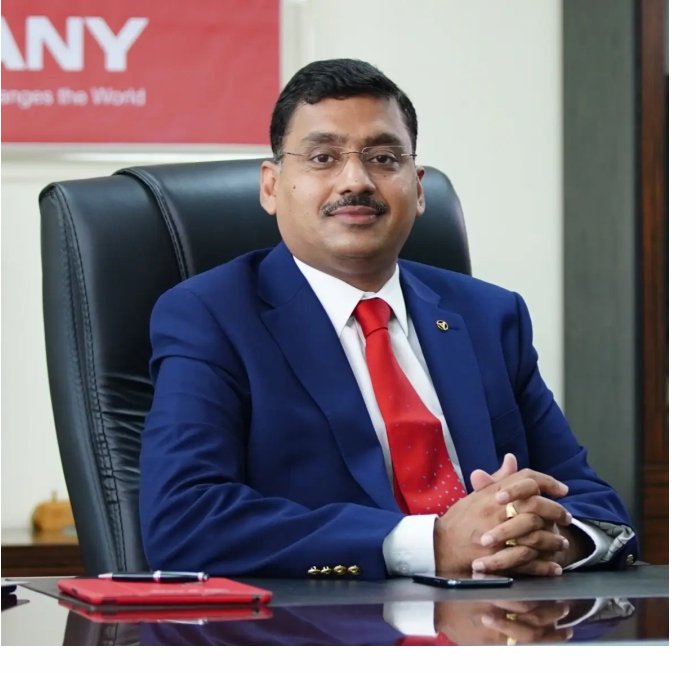 Mr.
Deepak Garg, Vice Chairman & Managing Director, SANY India.
Mr.
Deepak Garg, Vice Chairman & Managing Director, SANY India.
Sharing his thoughts on the
Union Budget 2025- 2026, Mr. Deepak Garg, Vice Chairman & Managing
Director, SANY India, said, “The Union Budget 2025-26 marks a transformative
step towards strengthening India's infrastructure and export capabilities. The
launch of the Export Promotion Mission, coupled with sector-specific targets
and digital public infrastructure for international trade, is a
forward-thinking approach to elevate India's global presence in manufacturing.
This initiative aligns with our commitment to support domestic manufacturing in
joining global supply chains, fostering a competitive and sustainable growth
trajectory. The focus on infrastructure development, including 50 years of
interest-free loans and PPP incentives. Also, Rs 10 lakh crore asset
monetization plan will significantly boost the construction and heavy machinery
sectors. The Rs 1.5 lakh crore allocation will foster growth and investment,
while the emphasis on skill development will drive innovation”
 Mr.
Aayush Madhusudan Agrawal, Founder & MD - Inspira Global
Mr.
Aayush Madhusudan Agrawal, Founder & MD - Inspira Global
“The Union Budget 2025-26
lays a strong foundation for transformative growth, particularly for the
restaurant and hospitality industry and the real estate sector. The
government's focus on increasing disposable income through tax relief and job
creation is a significant boost for our sector. We anticipate increased
consumer spending, leading to higher foot traffic in restaurants, more frequent
dining out, and sustained demand for food delivery services. The budget's
emphasis on urban redevelopment, including the ₹1 lakh crore Urban Challenge
Fund and enhanced infrastructure spending, creates exciting opportunities for
mixed-use developments and real estate projects. Additionally, the allocation
of ₹1.5 trillion fiscal support for MSMEs is expected to drive capacity
expansion, creating a ripple effect that will further fuel demand for
industrial real estate. The support for Tier-2 cities and the focus on urban
innovation will not only stimulate real estate growth beyond the metros but
also bolster homebuyer confidence and encourage further expansion. From gig
worker welfare to the development of smart, sustainable cities, this budget's
holistic approach will drive India's next wave of economic progress, creating
new avenues for investment, innovation, and growth across our industries."
 Mr.
Amit Kumar Sinha, MD & CEO, Mahindra Lifespace Developers Ltd
Mr.
Amit Kumar Sinha, MD & CEO, Mahindra Lifespace Developers Ltd
”The Union Budget's
emphasis on urban sector reforms and infrastructure-led growth is a welcome
step towards building future-ready cities. The introduction of the ₹1 lakh
crore Urban Challenge Fund and incentivization of governance and urban planning
reforms will strengthen city-level development, fostering sustainable,
well-planned urban ecosystems. Additionally, the government's focus on
Public-Private Partnerships (PPPs) for infrastructure expansion aligns well
with our Mahindra World City Jaipur (MWCJ) and Mahindra World City Chennai
(MWCC) projects, which have demonstrated the success of PPP-led integrated
urban development. The government's continued push towards improving ease of
doing business bodes well for us as enablers of the manufacturing sector, with
many leading industrial players housed in our Mahindra World Cities and Origins
by Mahindra industrial clusters. Moreover, the easing of income tax slabs will
further strengthen the demand for residential real estate. We look forward to
continued collaboration in shaping vibrant, resilient cities that drive
economic growth and enhance quality of life."
 Mr.
Ramesh Nair, CEO, Mindspace Business Parks REIT
Mr.
Ramesh Nair, CEO, Mindspace Business Parks REIT
“The Union Budget 2025
takes a decisive step towards strengthening India's urban infrastructure and
fostering business-friendly environments. The ₹1 lakh crore Urban Challenge
Fund and incentivized urban reforms will enhance governance, municipal
services, and city planning, key enablers for sustained commercial growth. The
national framework for Global Capability Centers (GCCs) is particularly
encouraging, as we have seen GCCs emerge as some of the largest occupiers of
Grade A office spaces. Strategic infrastructure upgrades in emerging cities
will unlock new opportunities for businesses and further India's position as a
global services hub.”
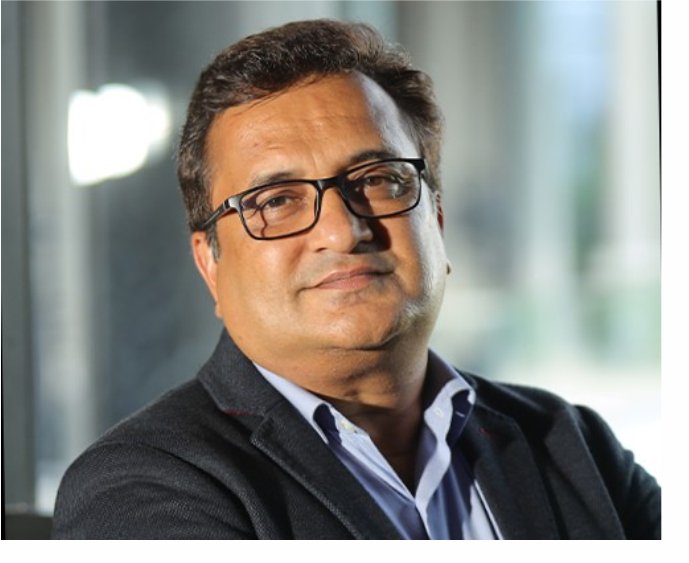 Mr.
Kamal Singal, MD & CEO, Arvind SmartSpaces Ltd
Mr.
Kamal Singal, MD & CEO, Arvind SmartSpaces Ltd
"The Union Budget
2025-26 lays a strong foundation for urban transformation, with ₹1.1 lakh crore
Urban Challenge Fund driving city redevelopment, infrastructure upgrades, and
sustainable growth. The continued support for housing through the SWAMIH scheme
and SWAMIH Fund 2 will accelerate project completions and boost homebuyers
confidence.
Emphasis on public-private
partnerships (PPP), asset monetization, and ease of doing business will unlock
new opportunities for the real estate sector. At Arvind Smart Spaces, we
welcome these initiatives, which align with our vision of building future-ready
urban communities. This budget paves the way for a more dynamic and resilient
real estate landscape.”
 Mr.
Sudhir Pai, CEO, Magickbricks
Mr.
Sudhir Pai, CEO, Magickbricks
“The government's plan to
develop 50 top tourist destinations will boost local economies and drive real
estate growth. Improved infrastructure and rising tourism are increasing demand
for residential, commercial, and hospitality properties, making these areas
prime investment hubs.
Lifestyle destinations like
Goa, Nainital, and Dehradun are already witnessing strong buyer interest, as
investors explore opportunities for long-term gains, holiday homes, and
short-term rentals. The trend highlights a growing preference for second homes that
double as income-generating assets, further fueling real estate expansion in
these high-demand locations.”
 Mr.
Chirag Shah, Fundraising & Strategy at BlackSoil
Mr.
Chirag Shah, Fundraising & Strategy at BlackSoil
The Rs 10,000 crore boost
to the Fund of Funds Scheme (FFS) in the Union Budget 2025 is set to drive
innovation across sectors like fintech, health tech, and clean energy,
providing crucial support for early-stage startups that face difficulties
securing private investments. By routing funds through SEBI-registered
Alternative Investment Funds (AIFs), the government leverages the expertise of
professional fund managers, minimising the risk of inefficient capital
allocation and reaffirming its confidence in startups as engines of economic
growth and job creation. The scheme's long-term success will hinge on sectoral
priorities, regulatory reforms, and infrastructure, shaping India's position in
the global startup arena.
Comment
on Clean Tech Manufacturing/ EV Batteries by Rohan Dani, Investment
Professional, BlackSoil
The National Manufacturing
Mission for clean tech manufacturing targets a 38% increase in domestic
capacity for EV batteries, solar panels, and other critical components. This
initiative will significantly reduce import dependence, bolster sustainable
development, and position India for resilient, self-reliant, globally
competitive progress.
 Mr.
Rajendra K Chodankar, Chairman & CEO, RRP Electronics Ltd. (Semiconductor Sector).
Mr.
Rajendra K Chodankar, Chairman & CEO, RRP Electronics Ltd. (Semiconductor Sector).
“The Budget has proposed a
significant increase in allocation to MeitY by 48% to Rs. 26,000 crore which
includes subsidies for semiconductor also. The welcome move by the Government
to promote compound semiconductors is also very heartening and will indeed take
India beyond horizons. We are very confident that Government of India will
announce Semiconductor Mission 2.0, which will boost the sector and put India
on World map. I am very confident that in the changing dynamics of the World,
Indian Semiconductor players like us and the others are going to play a major
role and the unstinted support by Government of India and State of Maharashtra
is very pivotal in the short to long run.”
Related Articles



Current Issue

10-2026
