


Reforming GST for a stronger, more transparent economy
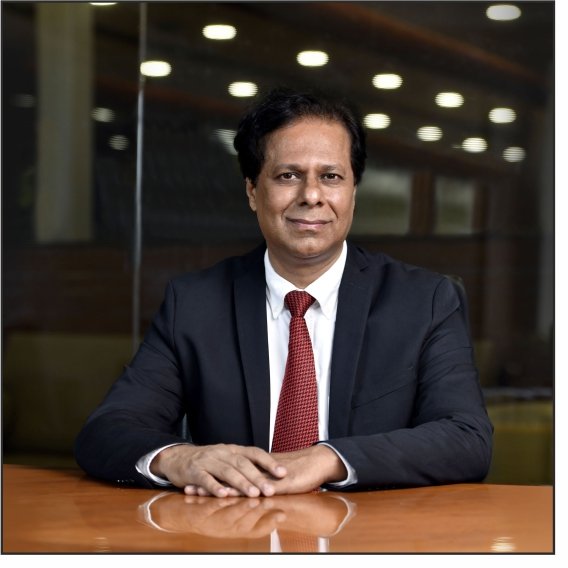 Mr. Venkatesh Gopalakrishnan,
Director Group Promoter’s Office, MD - Shapoorji Pallonji Real Estate (SPRE)
Mr. Venkatesh Gopalakrishnan,
Director Group Promoter’s Office, MD - Shapoorji Pallonji Real Estate (SPRE)
“We
welcome the GST Council’s landmark decision to rationalise tax rates on
essential construction materials. The rate cut from 28% to 18% on cement, and
from 12% to 5% on construction and finishing materials, is a strategic move. It
will significantly ease project costs for developers and boost affordability
for homebuyers. For developers, this relief lowers input costs and strengthens
project viability. Industry voices estimate that overall construction costs
could decline up to 5%. This offers scope for improved margins, as well as
better pricing for end-users.
From
the perspective of the housing market, especially the affordable and mid-income
segments, this development is timely and impactful. Rising construction costs
and pressure on margins have presented significant challenges to the sector.
The potential pass-through of savings will encourage renewed demand. It will
also enable more accessible homeownership.
At
Shapoorji Pallonji Real Estate, we see this GST rationalisation as a
much-needed stimulus. It simplifies tax structures and enhances transparency.
It also aligns with the current positive buyer sentiment. We are optimistic
that this reform will enhance purchase intent. This is especially true as we
enter the festive season, a traditionally strong period for the real estate
market.”
 Mr.
Vivek Bhatia, Managing Director and CEO -TKIL Industries
Mr.
Vivek Bhatia, Managing Director and CEO -TKIL Industries
“The
56th GST Council reforms are a forward-looking step towards Viksit Bharat! We welcome the initiative to place more
purchasing power in the hands of consumers which will certainly accelerate
broad based economic growth! At a time
of global uncertainty, the reforms provide a welcome boost to clean energy and
industrial transition. The cut in GST on
cement from 28% to 18% will speed up infrastructure development and make adding
capacity more appealing. Cutting GST on
renewable devices and fuel-cell vehicles aligns India with its decarbonization
strategy. It gives manufacturers a better case for boosting sustainable
solutions. From the perspective of TKIL Industries, these reforms will go far
beyond just the tax reduction that will be immediate, but will provide a big
positive push, reinforcing our position as the fastest growing leading economy,
fast track our growth to becoming the third largest economy, accelerate Make in
Bharat, promoting cleaner technology, positioning Bharat as a global leader in
the energy transition. Our
congratulations and appreciation to Central and State Government leaders for
taking this bold and welcome step!”
 Mr.
Sorab Agarwal, Executive Director at ACE said,
"The GST Council’s decision to revise tax rates is a progressive move for
the economy at large. For the construction and infrastructure space, the
reduction in GST on key building materials is expected to significantly ease
input costs, accelerate project execution, and provide much-needed momentum to
the sector. This will not only improve affordability for end-users but also
stimulate investments and create stronger linkages across allied industries.
Mr.
Sorab Agarwal, Executive Director at ACE said,
"The GST Council’s decision to revise tax rates is a progressive move for
the economy at large. For the construction and infrastructure space, the
reduction in GST on key building materials is expected to significantly ease
input costs, accelerate project execution, and provide much-needed momentum to
the sector. This will not only improve affordability for end-users but also
stimulate investments and create stronger linkages across allied industries.
Separately,
the reduction of GST on agricultural equipment from 12% to 5% is a landmark
decision that will directly benefit farmers and the rural economy. At ACE, we
believe that this move encourages us to focus more on the sector mechanisation
and enable higher productivity in agriculture. It is well aligned with the
government’s vision of doubling farmers’ income and fostering rural prosperity.
Together,
these measures will unlock growth across urban and rural sectors, boost
economic activity, and strengthen India’s journey towards becoming a more
resilient and inclusive economy."
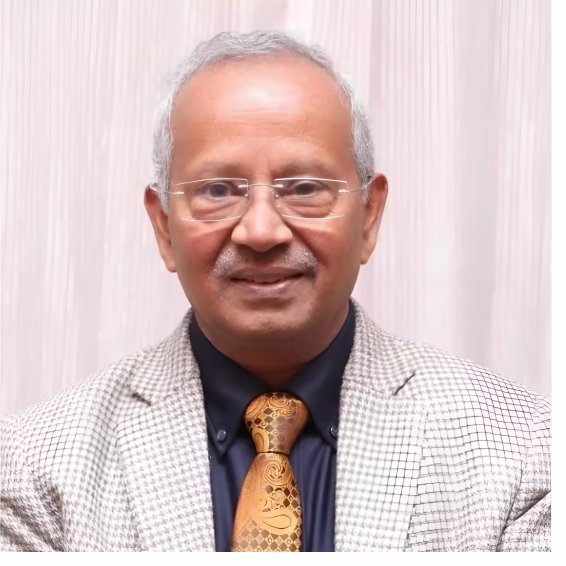 Mr.
Nagendra Nath Sinha, MD, Rodic Digital & Advisory, said
- " The recent reduction of GST on critical construction materials such as
cement and steel from 28% to 18% is a game-changer for India’s infrastructure
sectors. With cement and steel forming nearly 40–45% of project costs, this
change will cut material tax burden by about 10% and help in saving nearly ₹10
lakh on every ₹1 crore spent. Such savings will make projects more viable,
accelerate execution, and boost participation in Public-Private Partnerships.
The real estate sector, especially affordable housing, will also benefit as
developers pass on cost efficiencies to consumers. Equally important, reduced
tax pressure will limit the incentive for informal procurement, strengthening
transparency and compliance. Faster refund decisions would also benefit the
industry due to improved cash flow and lower interest liability. Furthermore,
with simplified tax structures, we can better track investments and reduce
reliance on informal procurement channels, enhancing transparency across the
sector. We believe this landmark step will accelerate the nation’s
infrastructure growth, catalyse real estate momentum, and set new benchmarks
for transparency and efficiency. "
Mr.
Nagendra Nath Sinha, MD, Rodic Digital & Advisory, said
- " The recent reduction of GST on critical construction materials such as
cement and steel from 28% to 18% is a game-changer for India’s infrastructure
sectors. With cement and steel forming nearly 40–45% of project costs, this
change will cut material tax burden by about 10% and help in saving nearly ₹10
lakh on every ₹1 crore spent. Such savings will make projects more viable,
accelerate execution, and boost participation in Public-Private Partnerships.
The real estate sector, especially affordable housing, will also benefit as
developers pass on cost efficiencies to consumers. Equally important, reduced
tax pressure will limit the incentive for informal procurement, strengthening
transparency and compliance. Faster refund decisions would also benefit the
industry due to improved cash flow and lower interest liability. Furthermore,
with simplified tax structures, we can better track investments and reduce
reliance on informal procurement channels, enhancing transparency across the
sector. We believe this landmark step will accelerate the nation’s
infrastructure growth, catalyse real estate momentum, and set new benchmarks
for transparency and efficiency. "
 Aman
Sharma, Managing Director and Founder of Aarize Group,
said: The GST Council’s move to slash tax rates on cement and other construction materials is a landmark step for
the sector. Cement alone contributes nearly one-third of overall construction
costs, and its rate reduction from 28% to 18% will directly enhance cost
efficiency for developers. This will not only accelerate project timelines but
also allow developers to channel savings into quality enhancements and
sustainable building practices. Importantly, it improves housing affordability
for end-users and boosts investor confidence in the long run. Such policy
measures provide the necessary impetus for long-term growth in both residential
and commercial real estate markets.”
Aman
Sharma, Managing Director and Founder of Aarize Group,
said: The GST Council’s move to slash tax rates on cement and other construction materials is a landmark step for
the sector. Cement alone contributes nearly one-third of overall construction
costs, and its rate reduction from 28% to 18% will directly enhance cost
efficiency for developers. This will not only accelerate project timelines but
also allow developers to channel savings into quality enhancements and
sustainable building practices. Importantly, it improves housing affordability
for end-users and boosts investor confidence in the long run. Such policy
measures provide the necessary impetus for long-term growth in both residential
and commercial real estate markets.”
 Mr.
Manish Jaiswal, CEO, Eldeco Group said,
“We welcome the GST Council’s decision to reduce the tax on cement from 28% to
18%, alongside sharp cuts on marble, granite, sand-lime bricks, and inlays. As
cement constitutes a large portion of construction budgets, this reprieve
stands to ease both developer pressures and buyer costs. In our field projects
today, we estimate construction savings of around 5%, which if passed through could
significantly improve affordability and margin comfort across mid-income and
premium housing products. This reform could be a timely catalyst offering a
festive boost to real estate demand and confidence.
Mr.
Manish Jaiswal, CEO, Eldeco Group said,
“We welcome the GST Council’s decision to reduce the tax on cement from 28% to
18%, alongside sharp cuts on marble, granite, sand-lime bricks, and inlays. As
cement constitutes a large portion of construction budgets, this reprieve
stands to ease both developer pressures and buyer costs. In our field projects
today, we estimate construction savings of around 5%, which if passed through could
significantly improve affordability and margin comfort across mid-income and
premium housing products. This reform could be a timely catalyst offering a
festive boost to real estate demand and confidence.
 Santosh
Agarwal, CFO & Executive Director, Alpha Corp Development Limited, said “The rationalisation of GST slabs represents
an important step toward simplifying India’s tax framework and enhancing
transparency in the real estate sector. By potentially reducing the tax burden
on housing, this reform is expected to strengthen buyer confidence, encouraging
more informed and faster decisions. For developers, a predictable and
streamlined GST structure could reduce transaction complexities and enable
smoother project execution. This reform will provide fresh momentum to the real
estate sector, supporting sustained growth and reinforcing India’s position as
a dynamic housing market.”
Santosh
Agarwal, CFO & Executive Director, Alpha Corp Development Limited, said “The rationalisation of GST slabs represents
an important step toward simplifying India’s tax framework and enhancing
transparency in the real estate sector. By potentially reducing the tax burden
on housing, this reform is expected to strengthen buyer confidence, encouraging
more informed and faster decisions. For developers, a predictable and
streamlined GST structure could reduce transaction complexities and enable
smoother project execution. This reform will provide fresh momentum to the real
estate sector, supporting sustained growth and reinforcing India’s position as
a dynamic housing market.”
 Subhashendra
Kumar, CFO, Trehan Iris, said, "We welcome
the move towards a simplified two-slab GST structure of 5% and 18%, which marks
a progressive step for the sector. The rationalisation of taxation is expected
to lower overall project costs, enabling developers to offer more competitive
pricing to homebuyers. At the same time, it will bring greater transparency and
streamline compliance, thereby improving operational efficiency. Such policy clarity
is likely to reinforce buyer confidence, stimulate demand across the housing
market, and lay the foundation for sustained long-term growth for both
homebuyers and the real estate industry.”
Subhashendra
Kumar, CFO, Trehan Iris, said, "We welcome
the move towards a simplified two-slab GST structure of 5% and 18%, which marks
a progressive step for the sector. The rationalisation of taxation is expected
to lower overall project costs, enabling developers to offer more competitive
pricing to homebuyers. At the same time, it will bring greater transparency and
streamline compliance, thereby improving operational efficiency. Such policy clarity
is likely to reinforce buyer confidence, stimulate demand across the housing
market, and lay the foundation for sustained long-term growth for both
homebuyers and the real estate industry.”
 Mr.
Yateesh Wahaal, Director, M3M India, said:
The GST rationalisation on cement, steel, and other core construction materials
is a welcome and progressive step for the real estate sector. It signals the
government’s commitment to supporting infrastructure growth and easing cost
pressures in a high-input industry. While the overall impact will unfold over
time across various asset classes, this move undoubtedly contributes to a more
sustainable and cost-efficient development environment. At M3M India, we are
closely evaluating the implications, and remain focused on delivering quality
and value across all our projects.
Mr.
Yateesh Wahaal, Director, M3M India, said:
The GST rationalisation on cement, steel, and other core construction materials
is a welcome and progressive step for the real estate sector. It signals the
government’s commitment to supporting infrastructure growth and easing cost
pressures in a high-input industry. While the overall impact will unfold over
time across various asset classes, this move undoubtedly contributes to a more
sustainable and cost-efficient development environment. At M3M India, we are
closely evaluating the implications, and remain focused on delivering quality
and value across all our projects.
 Siraj Saiyed, Director, Arete Group
"The
Next-Generation GST Reforms are a progressive stride toward a more inclusive
and business-friendly India. With rationalized tax slabs and exemptions on
essentials, the reforms reflect a vision that balances economic prudence with
social responsibility.
By
easing household costs and enhancing financial security, families are empowered
to invest in holistic lifestyles where homes stand for wellness and quality of
life. The reforms go beyond tax simplification; they help build stronger
communities by enabling long-term investments in housing, health, and
education.
For
businesses, streamlined compliance fosters a climate of innovation and
customer-centricity. In the broader vision of Viksit Bharat 2047, these reforms
pave the way for inclusive growth.
 Sunil Pandita, Chief Division Officer, Nemetschek Group
"The
recently approved GST reform bringing a two-tier structure of 5% and 18% from
September 22 is a welcome stride towards simplifying taxation in India. For the
AEC/O industry, the cut in GST on cement from 28% to 18% and reductions on
other key construction materials are crucial.
Such
measures will help moderate construction costs, easing pressure on real estate
developers and encouraging sustainable infrastructure growth. We with our
digital solutions for construction lifecycle management, sees this as a
positive momentum that aligns with the broader industry push for cost
efficiency and productivity gains. Additionally, lower GST on consumer
electronics will aid wider adoption of technology on construction sites. These
reforms are timely to help increase demand and investment in India’s growing infrastructure
sector, supporting our vision of enabling smarter, more efficient construction
through digital transformation."
 Akshay Taneja, Managing Director, TDI infrastructure
"The
Next‑Generation GST reforms mark a leap toward an inclusive, efficiency‑driven
real estate ecosystem. Rationalising GST to two slabs 5% and 18% effective from
September 22 removes complexity and reduces costs, especially on core materials
like cement, which has dropped from 28% to 18%, translating into savings of
nearly ₹30 per bag.
For
emerging real estate hubs such as Kundli, this reduction will lower
construction costs, encourage new investments, and catalyse job creation
especially significant for India's youthful workforce. These reforms go beyond
tax cuts as they strengthen India’s urban fabric by enabling sustainable,
integrated townships and bolstering Tier 2 and Tier 3 markets in alignment with
Viksit Bharat 2047.
These
reforms are policy, people, and purpose‑oriented milestones that propels
climate‑conscious development, boosts affordable and commercial housing in
Delhi‑NCR, and supports the evolution of self‑sustained communities across
India."
 Mr. Vishal Raheja, Founder and Managing Director, InvestoXpert
"The
Next-Generation GST reforms represent a significant advancement for the real
estate sector. Simplified taxation and reduced costs on key construction inputs
will improve project feasibility and affordability, particularly in rapidly
growing urban regions such as Delhi NCR. This is expected to accelerate both ongoing
and upcoming developments across residential and commercial spaces.
With
compliance made simpler and the tax regime more predictable, developers and
investors alike benefit from reduced uncertainty. This clarity supports faster
execution, encourages steady capital inflows, and contributes to a healthier
supply pipeline for housing and infrastructure.
The
reforms align with the vision of Viksit Bharat by fostering inclusive,
resilient urbanization while creating an enabling environment for sustainable
development across India’s real estate hubs.
 Mr. Pratap Alwat, Managing Director, Pranshi Infra Advisor Pvt. Ltd
“The
Next-Generation GST reforms are a milestone that balances economic growth with
social equity. By simplifying tax structures and exempting essential services,
the reforms improve clarity and predictability in the real estate sector. This
transparency strengthens the environment for long-term investments and supports
more informed decision-making across emerging and established markets.
Reduced
compliance burdens also lower operational friction, allowing stakeholders to
redirect focus toward strategic planning and value creation. As affordability
improves for households, demand across housing and infrastructure is expected
to rise, energizing the ecosystem more broadly.
These
reforms mark a step toward a future-ready and citizen-centric economy,
encouraging transparency, inclusivity, and sustainable growth in line with
India’s long-term development vision."
Related Articles




Current Issue

10-2026
