


Pre Budget Quotes

“India is stepping towards becoming
global manufacturing hub and it is anticipated that by 2030, it can add to the
tune of $500 billion annually to the global economic stake. In the budget 2022,
the focus should be on rationalization and simplification of taxation within
the given fiscal space. The much-anticipated tax relief would increase consumer
confidence and keep demand robust. Following the Covid-19 outbreak, the
manufacturing industry is undergoing a transformation, with global supply lines
being disrupted. The emphasis currently is on 'reshoring' manufacturing
processes and reestablishing markets with faster delivery times. The
government's 'Vocal for Local' program need more policy support to adapt to
lower working capital and boost resiliency. Also, with the start of work on new
scheme for several manufacturing sectors with an outlay of about Rs 16,600
crore for the next five years to support technological upgradation in existing
clusters and MSMEs, we might hear some announcement in the upcoming budget. ”
--------------------------------------------------------------------------------
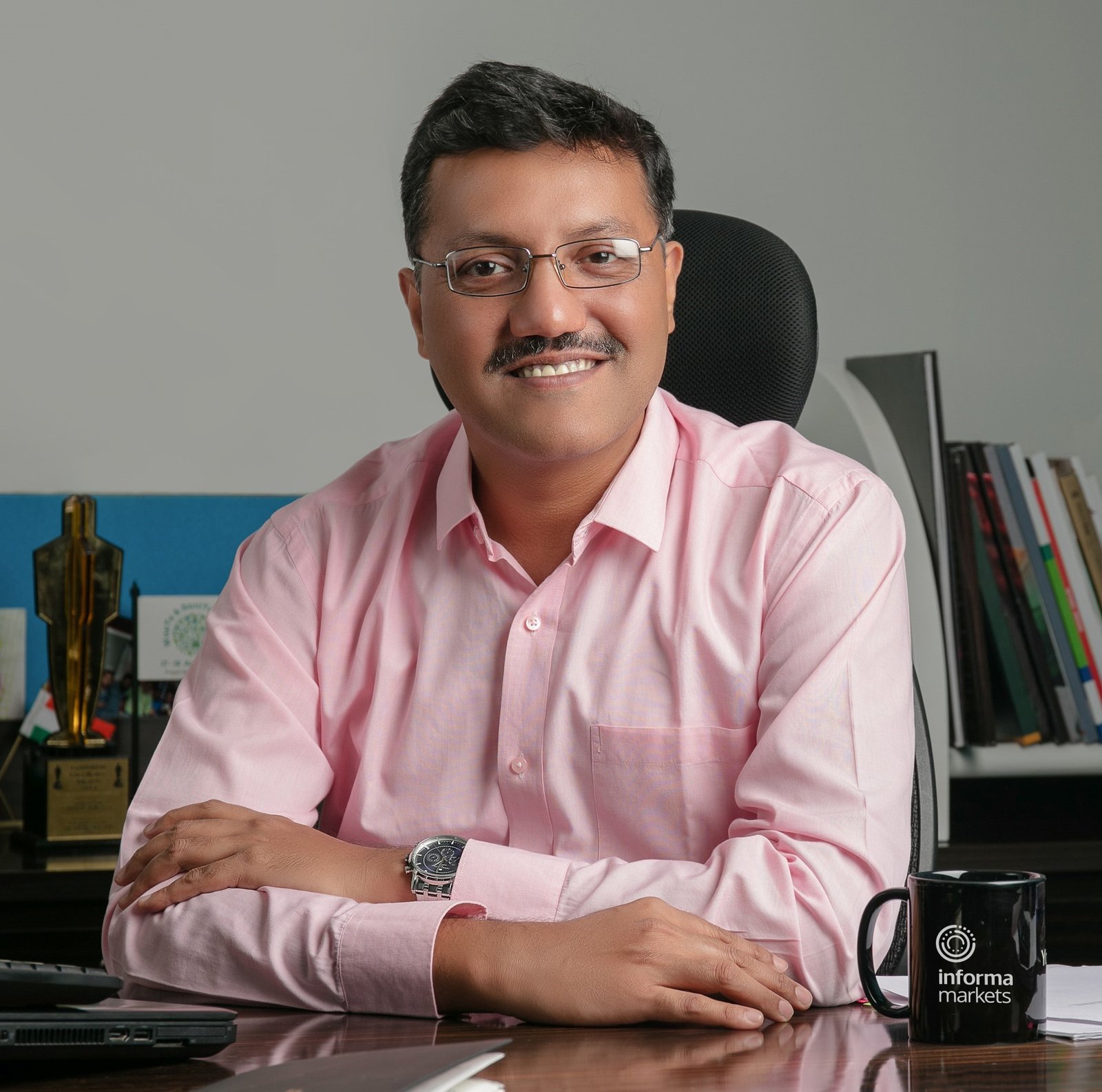
Yogesh Mudras, Managing Director, Informa Markets India
“The hospitality sector, which
employs millions of people in the country, has proved to be a resilient one,
while continuing to be challenged by the peaks and troughs of the pandemic.
With the Union Budget due to be presented on 1st of February, people are
eagerly waiting for the Finance Minister to announce benefits and exemptions
for industries affected due to the ongoing coronavirus pandemic. This includes
the hospitality sector, which is looking for incentives and lower taxes.
According to industry data, more than 24 lakh people lost their jobs in the
hospitality sector, after over 25 percent restaurants were shut owing to
protocols discouraging unorganised gatherings.
The hospitality sector has
advocated for travel expenses to be made deductible under the Income Tax
Returns in the upcoming Budget till the sector bounces back to its pre-pandemic
days. The measure can also help Meetings, Incentives, Conferences and Exhibitions
(MICE) tourism to shift from low-cost destinations such as Southeast Asia to
places within India. The Government of India’s tourism policy should strengthen
and build capacity to provide better services and facilities to the tourists
visiting the country. To kickstart inbound travel, the government should focus
on opening international travel in a regulated manner. All the airports,
railways and road transport should have adequate measures for public safety.
Safety guidelines should be clearly defined to tour operators and hospitality
operators.”
--------------------------------------------------------------------------------
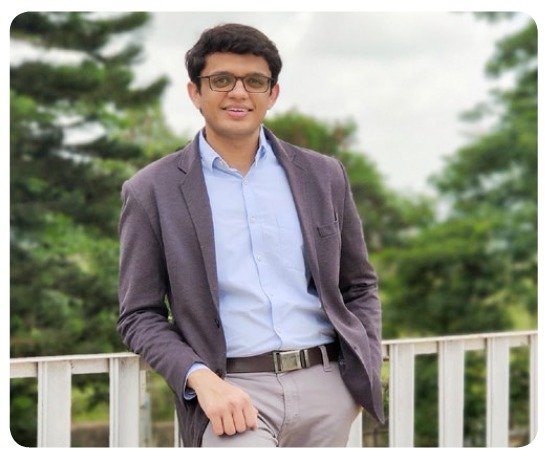
Dr. Akshay Singhal, Founder, Log9 materials
In the upcoming Union Budget, from the EV ecosystem perspective, we hope to see that the FAME Subsidy corpus should be extended to EV retro fitment kits. Additionally, more R&D incentives should be given for energy storage and EV technology-related developments in India, as well as R&D investments made into local technology developments, which should be made 100% adjustable against corporate taxes.
--------------------------------------------------------------------------------
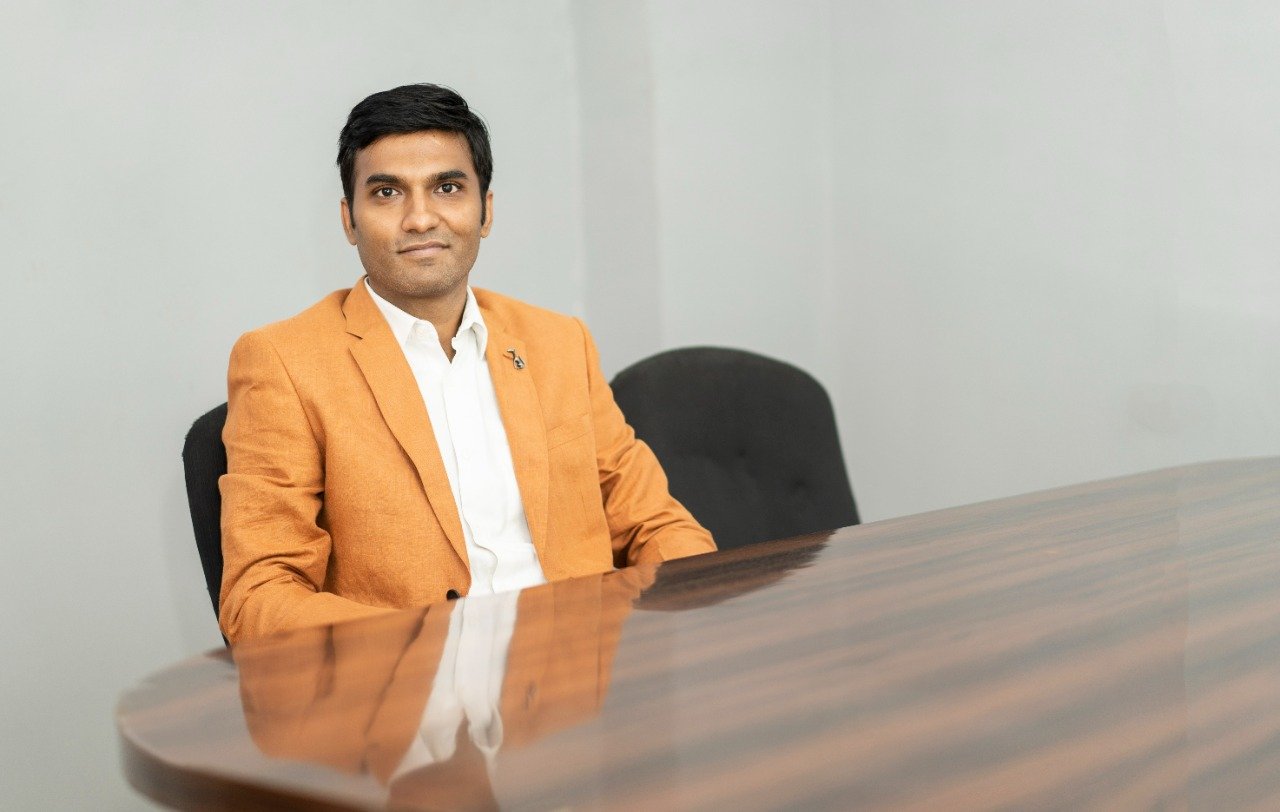
Mr. Deepak MV, CEO & Co-Founder, Etrio
"At a time when EV adoption is gaining unprecedented momentum despite many challenges, in the upcoming Union Budget 2022, we at Etrio would like to see the Finance Minister address the critically-important area of making wide and varied range of financing options available for EV commercial vehicles' buyers – as this is extremely critical for further increased uptake of EVs in India, going forward. To this end, the Government should make the EV sector a priority lending sector for the financial institutions. Additionally, reducing the GST taxation on Lithium-ion batteries and EV spare parts and components can also be a great step forward from the EV manufacturing and OEM point of view. Given that increased adoption of EVs in the logistics and last-mile delivery segment is the need of the hour to reduce Carbon emissions, the Government must also come up with additional sops or incentives for the nation’s fleet aggregators to switch entirely from IC engines to EVs in order to pave a sustainable and zero-emissions future. Last but not the least, we also hope that this Budget answers the need for revitalizing the B2B retrofitment (ICE to EV conversion) space pan-India by bringing retrofitment under the ambit of FAME-II."
--------------------------------------------------------------------------------
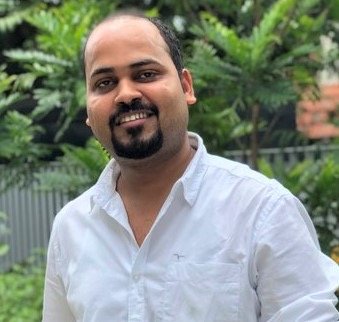
Mr. Abhishek Pathak, Founder & CEO, Greenwear
“I expect the budget to lay down a 5-year plan to increase participation/usage of renewable energy resources by decentralized small industries and craft sector. The government should ensure growth in procurement from start-ups working with renewable energy resources. The textile industry alone has the potential to reduce carbon footprint by a huge margin along with creating jobs at the local level. The textile and Fashion industry needs urgent reforms in order to reduce polluting earth. We are taking one step at a time and currently are very small against the problem. However, we believe that the solar-vastra value chain if added with natural fibers and organic processes will create immense impact in reducing carbon footprint from the textile industry. If only 5% of Indian villages become solar charkha clusters (around 30,000), it can produce 180 Cr kgs cotton yarn which is almost 50% of India’s current cotton yarn capacity, and generate livelihood for 1.2 Cr people without migrating from their villages.”
--------------------------------------------------------------------------------

Shivam Singhee, CEO & Co-Founder, Awshad
As a startup in the wellness and medical cannabis space, we have benefited from the earlier government initiatives like the startup initiative and the Make in India initiative that helped us create a space for ourselves. However, in 2022 we hope to see the Government will expand on these schemes and help home-grown brands grow and thrive in the Indian market. We also hope there will be incentives in place to help Indian brands expand their markets internationally and help bring FDI to the exponentially growing wellness sector. We also hope the government will offer more tax relaxation to startups in the wellness space to help them compete with giant multinationals eyeing to control this sector.
--------------------------------------------------------------------------------

Ms. Shalu Jha, Co-founder & Director, PRandit Solution
"At a time when the Covid-19 threat is still looming large on the Indian economy, the upcoming Union Budget should focus on enabling collective economic growth and supportive aid for various industry sectors, including the services sector and the media sector. At the same time, I would also like to see a focused push and incentivization for digital media platforms and startups in the media and communications industry in order to allow them to prosper. Especially given that the accelerated adoption of digital and social media networks has now given more power in the hands of the nation's consumers, some stimulus packages and futuristic policy moves focusing on digital infrastructure building and media-tech will be furthermore welcome and encouraging."
--------------------------------------------------------------------------------
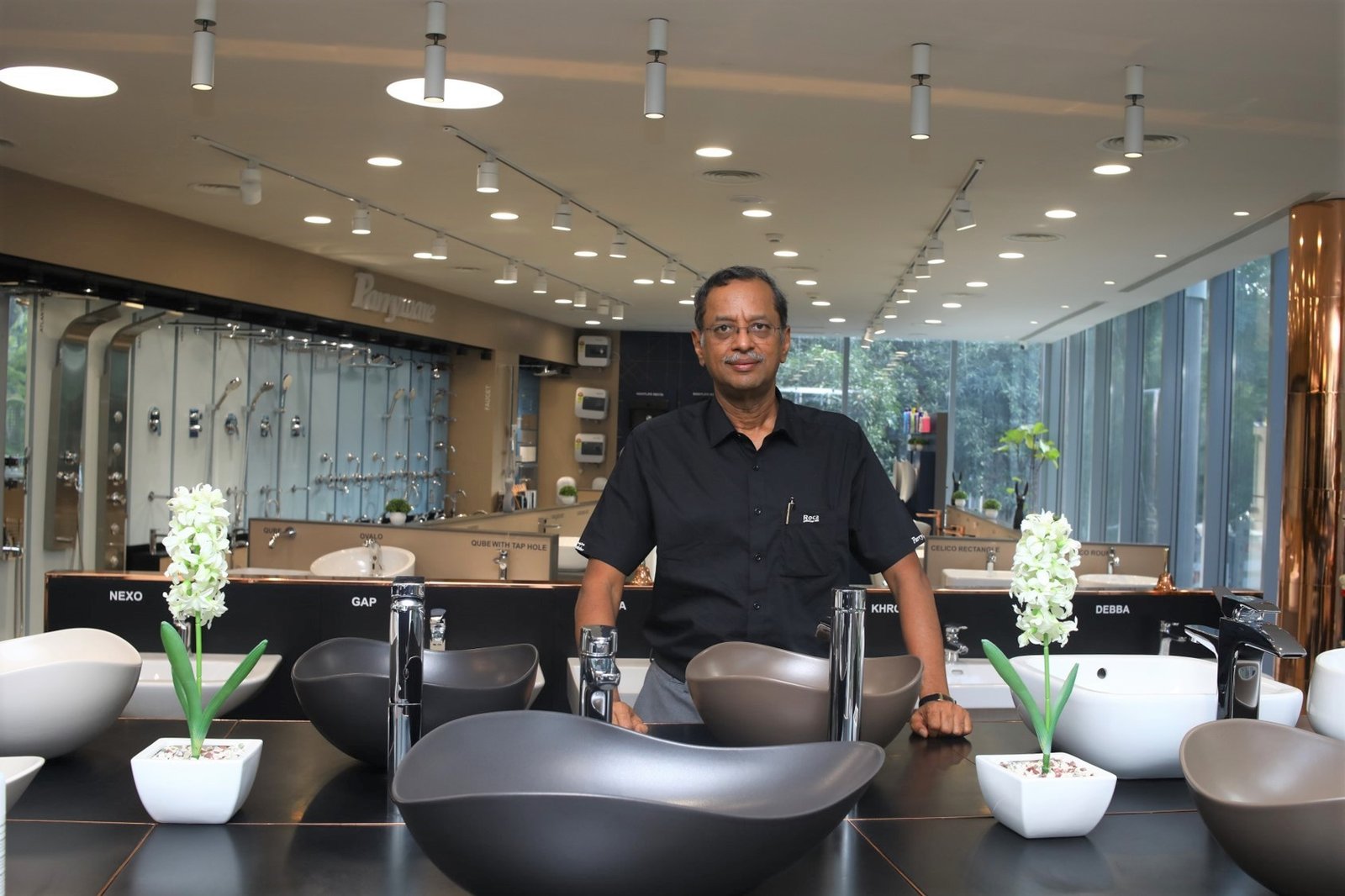
Mr. K.E. Ranganathan, Managing Director, Roca Bathroom Products Pvt. Ltd
"India has done exceedingly well on Covid front with minimal damage to human lives and economy during year 2021-22. With superb execution of vaccination, calibrated unlocking and surge in pent up demand, all leading to well deserved likely 8.5% GDP growth in 2021-22
The game now shifts to year 2022-23
Budget making. Time is ripe to ride on the success of 2021-22. With Covid
firmly under close monitoring, better preparedness at State level and overall
hygiene aspects gathering momentum at people level, the Government can now
focus on 'heavy lifting' of economy thru Investments in infrastructure and
making funds available thru the financial system for scores of MSMEs and Gig
workers to play the catalyst role.
Also, Government should help generate
more demand from consumer side thru adequate measures like Sops, tax benefits,
concessions etc. Tourism presents a great opportunity both for international
tourists and within India local tourists, as people are mad after getting out
of home.
Investments in the direction of
Hospitals, research and development in pharma sector, primary health care
across all key cities and semi-urban/rural areas will help manage increasing
need for such facilities due to outbreak of pandemic like Covid.
By 2030 there is a clear indication
for India to move to 3rd spot globally on Forex/GDP size (behind USA and
China). From the current 7th position. This can be possible with a good
direction in the development of the country in driving investments, providing
top class governance and making India the first port of call for foreign
investors. As a large consumption market, we can offer the world the best of
everything to grow consistently.
On the real estate front,
there is still a large shortage of over 40 million homes in India to make
everyone live in a good home. With work-from-home gaining popularity (even as a
normal way of working), the need for homes and rooms have grown substantially.
Measures on RERA are helping regulate this industry, the 2nd largest employer.
The urgent need here is to help reputed builders have access of good land
parcel and financial system. The Government should work in this direction. The
inflationary pressure on building materials needs to be brought down. GST rates
are still high for building products, providing scope to reduce. This will
stimulate further demand for homes. "
--------------------------------------------------------------------------------
Mr Lalit Beriwala, Director, Shyam Steel Industries Ltd
India’s micro, small and medium
enterprises is second in number only to China. MSMEs are integral to our
economy contributing 30% to the country’s GDP, 50% to the export and employment
generation of over 100 million, next only to the Agri sector. Their contribution
towards delivering social justice for containing regional disparities and
equitable economic growth are no less important factors for the Government to
take note of.
Improved performance of MSME sector
is vital for achieving global benchmark efficiency and quality of products
being manufactured in India, as it supplies goods and services to big
industrial enterprises. The Government, therefore, should invest in providing
backend services to improve performance of MSMEs. Lack of technology-based production
and low investment in research and development are bottlenecks for the sector
to become globally competent. Government could subsidise internationally
available technology for adoption by MSME players to improve their product
quality, utilizing their existing resources. Hand holding by designated
academic institutes of repute in the same geographical territory for product
innovation can also support their cause.
For a more equitable distribution of
national resources, policy support to MSMEs also can help unleash their
potential. For example, if the Government decide to roll out PLI schemes
exclusively meant for MSMEs, it can provide them with a coverage against fierce
competition with the bigger business houses to stake claims on incentives for
improved performance.
Growth of Indian steel industry has
been driven by domestic availability of raw materials such as iron ore and
coal. Consequently, steel sector has been a major contributor to India’s
manufacturing output. For MSMEs to play a bigger role, Government may consider
allocation of smaller mines of Iron Ore and Coal through the e-auction process
amongst MSMEs alone, which will protect them from the competition with the
bigger businesses.
MSME sector, therefore,
look forward to an enabling ecosystem provided by the Government in the
manufacturing and steel industry domain, with budgetary and policy support, to
emerge as an equal partner in making India self-reliant and transcending it to
a $5tn economy.
--------------------------------------------------------------------------------
Rajan Aiyer,
Vice President and Managing Director,
Trimble, South Asia Region.
"There is a wide consensus that the construction sector will lead India's economic revival in the post-pandemic era. With this background, we look forward to continued support from the government in this year's Budget with additional allocations to the existing infrastructure schemes and announcement of new infrastructure programmes to accelerate India's journey towards a $5 Trillion economy. Finally, we would like the government to provide incentives for digital technology adoption across the work-flow, preferably mandate its use in key projects such highways, airports, ports, rail, and waterways to start with, as this will not only help accelerate the digital transformation of the construction industry but also encourage timely, sustainable and environment-friendly construction."
--------------------------------------------------------------------------------
Mr. Atul Kunwar, Co-founder & Chairperson of Hygge Energy
Environment friendly and other sustainable technologies to be the focus
for the Government in Union Budget 2022
The Finance Minister is expected to
make a strong pitch for the development of the electric vehicle ecosystem owing
to the Government’s commitment towards reducing the carbon footprint and
green-house gas emissions. This is in line with the decisions taken at Paris
and Glasglow to target net-zero emissions by 2070, and the Government’s pledge
to target Zero Emission by vehicles by 2040. Whilst the country is caught up in
the throes of the third wave of the pandemic, the Finance Minister is expected
to come up with provisions for the economic revival, after two consecutive
years of unimaginable loss of lives and livelihood.
One such company looking at disrupting the traditional Power and Energy sector is Hygge Energy is committed towards creating a renewable energy trading and EV Charging marketplace for communities globally that will reduce energy prices for consumers, improve return for utilities, and increase RoI for Storage, Solar and other local generation owners. “The Union Budget 2022 is an opportunity to aggressively promote renewable energy driven rapid EV adoption as a mission. This is crucial for a cleaner environment and reducing India’s dependency on fossil fuel imports.
The goal of zero-emission e-mobility, powered by EV charging from renewable energy rooftop solar as well as wheeled energy requires a framework for harmonized pricing. This will open up a $7-8 billion carbon credit market for the EV ecosystem for deploying renewable energy sources for EV charging and reduction in tailpipe emissions and thereby drive rapid adoption”, said Mr. Atul Kunwar, Co-founder & Chairperson of Hygge Energy.
--------------------------------------------------------------------------------
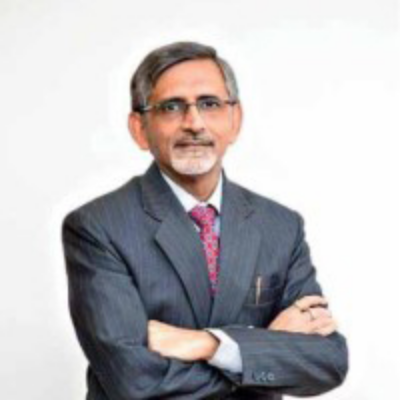
Mr. N.K. Rawal, Managing Director & CEO of ETO Motors
India’s leading provider of electric mobility and EV Charging solutions
company, ETO Motors have also carried out several high-impact EV charging
infrastructure projects across the country, installing almost 4000 MW of
charging stations. ETO Motors have also been instrumental in accelerating the
initiative of creating India’s first 100% Electric Vehicle City in Kevadia,
Gujarat. “The Union Budget 2022 must focus more on the institutional and mass
adoption of EVs’, especially incentivizing fleet operators, logistics players
and OEMs’ who are focused on commercial logistics application. The Indian EV
sector is at a nascent stage but can be a fantastic combination of Auto and
Electronics that contributes to almost 7% and 16% of the GDP. The Government
should look at mandating all hyper local and last mile Ecommerce/non-Ecommerce
deliveries through EVs’, rigorously deploying Carbon Credit system and
encourage organization that pursue sustainable methods. Lastly, mandating
Charging (slow/Infrastructure) to buildings and public places through amendment
to law, and making land parcels easily available for charging station
enthusiasts and business owners, will ensure that the development of the EV
ecosystem is at full throttle”, said Mr.
N.K. Rawal, Managing Director & CEO of ETO Motors.
--------------------------------------------------------------------------------
Logistics Sector: By Soham Chokshi, CEO and Co-Founder, Shipsy
There is a growing need to make
logistics sustainable. The government needs to build policies that ensure
subsidies for using electric vehicles to execute delivery operations,
especially in the last-mile. We are also witnessing a significant need for Indian
businesses to leverage AI, Machine Learning, predictive analytics and more.
Robust plans and investments must be made to empower the country’s youth to
understand, manage and use these disruptive technologies. According to
research, AI in the logistics and supply chain market is predicted to clock a
CAGR of 42.9% by 2023, and it will reach USD 6.5 billion by then. The scope is
massive.
Another critical area that seeks greater attention is the export-import (EXIM) side of India’s supply chain operations. Currently, EXIM operations are riddled with silos creating challenges on freight procurement, shipment visibility, and customs operations. The government must build policies that will drive disparate EXIM stakeholders, like manufacturers, retailers, freight forwarders, shipping lines and more, to embrace a unified platform to execute, track and manage cross-border supply chain activities.
--------------------------------------------------------------------------------
Fintech Sector:
By Mr. Kumar Abhishek, Founder and CEO, ToneTag
The government has consistently
driven programs like Digital India, which has catalyzed digital penetration and
financial inclusion. With the groundwork prepared, information and education
about digital payments, both online and offline, must be encouraged proactively
across all geographies of the country.
We are hopeful that the upcoming
budget will focus on bolstering the digital infrastructure of cooperative banks
across the country and initiate reforms that drive digital financial inclusion.
It is also crucial to capitalize on
the success of homegrown technologies such as the UPI and encourage tech
startups to invest in R&D and explore avenues to leverage existing tech and
create new products. We are hopeful that the upcoming budget will consider
offering tax benefits and incentives; thus encouraging innovation.
By Anurag Garg, Founder and CEO, Nivesh.com
There has always been a high buzz
around budget season which comes with a lot of expectations. This year's Union
Budget could see the Finance Minister announce plans to boost India's investment
cycle while, at the same time, laying
out the roadmap for fiscal consolidation. The pre-budget recovery seen in some
sectors may spread to other segments in the following days. Here are our
expectations from the budget this year:
The government’s prime focus while
preparing Budget 2022 would be planning a robust growth map to revive the
economy impacted by COVID-19. Towards this the focus is likely to be a higher
outlay on capital expenditure including infrastructure. Government would likely
continue asset monetisation to fund the capital expenditure.
Focus will be on ease of doing
business. Government may announce reduction in various approvals and more
single window schemes to boost manufacturing towards Atma Nirbhar Bharat.
Further steps could be announced to ease tax litigation and boost compliance by
greater oversight of transactions.
Effort will be on further boosting
exports which are already doing well. Exports are a big opportunity for the
country in the current scenario of global anti-China sentiment and the
government would like to take all steps to ensure global competitiveness for
export oriented sectors.
Inflation is a big worry in the
current scenario and we could see efforts to curtail further rise in prices. It
could be possible that excise duty on petroleum products is reduced to help
industries manage their costs.
Sectors specifically impacted due to
Covid like hospitality and travel may also see some special support measures as
good health of these sectors is important for continued economic growth.
MSME sector is also likely to get
more financial support and reforms surrounding import substitutes to promote
self-reliance and domestic manufacturing.
We expect a big focus on promoting
alternative energy sources including solar energy to reduce carbon footprint as
well as to tackle pollution related issues.
The Budget is directed towards growth
and hence the fiscal deficit is likely to remain high for next year. It is
expected that a fiscal deficit for next year may be around 6.3% to 6.5%.
Revenues are likely to remain buoyant, thus the high fiscal deficit number
highlights the fact that there will be higher expenditure.
The government's judicious and timely stimulus in the first wave was a smart decision, however, to continue upward trajectory a suitable support might be needed to the economy through this budget.
--------------------------------------------------------------------------------
Edtech Sector:
By Amit Agarwal, Founder and CEO, OckyPocky:
The education sector has undergone
significant changes and is still evolving. Education has progressed to the
point where textbooks, teachers, and traditional classroom-based learning are
no longer adequate, necessitating the use of an engaging, interactive classroom
to ensure effective learning.
The government’s budget has set new precedents by encouraging the right kinds of economic activities on multiple occasions. However, now it’s time to focus on investing in Bharat’s intellectual capital from non metro cities. There is a growing need that the government must subsidize the middle class, who constitute the majority of Bharat, to claim tax exemption on their ed-tech spending under section 80C.
Furthermore, an extension of the time
limit to qualify for capital gains tax exemption for early-stage investors or
micro funds with a size of less than $25 million by investing in startups would
result in more capital being made accessible to emerging startups. We hope that
the government considers extending such time limits indefinitely in the coming
years to have a sustainable support mechanism around startups, similar to what
other countries have done.
Additionally, programs like First 5 in California are committed to advocating for the needs of the state’s youngest kids. It brings together partners and leverages funding sources to support kids’ overall development, including cognitive, emotional, and physical well-being. Narendra Modi and the government, too, need to work on implementing such policies effectively on a large scale that are in line with the NEP (National Education Policy) to make the policy a massive success in education.



Current Issue

10-2026
