


Lifting Equipment in Construction: Enhancing Safety, Efficiency, and Its Technological Innovation

Introduction
Lifting equipment plays a crucial role in construction work, as it helps in moving heavy materials, machinery, and structural components from one place to another safely and efficiently. As construction projects become larger and more complex, the use of the right lifting equipment helps reduce physical labour, increase productivity, and ensure that work is completed on time.
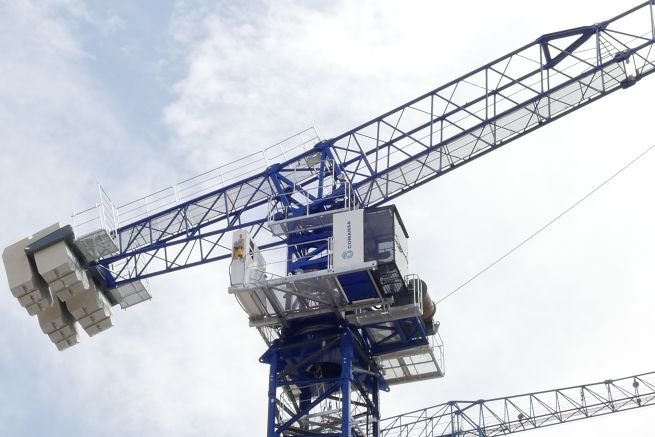
Lifting equipment includes cranes, hoists, winches, forklifts, chain blocks, slings, and similar devices used at construction sites to lift, transport, and position heavy materials. Such equipment is essential for the safe and efficient handling of steel structures, concrete, construction materials, and heavy machinery. The choice of equipment depends on factors like load capacity, lifting height, site conditions, and the specific requirements of the project.
Although lifting equipment offers many advantages, its use also entails certain risks, such as the falling of loads, equipment failure, overloading beyond capacity, and accidents resulting from improper use. To ensure safety in lifting operations, it is essential to select the appropriate equipment for the task, conduct regular inspections, perform proper maintenance, and ensure that operators have received adequate training. Furthermore, adherence to established safety rules and standards plays a crucial role in preventing accidents and maintaining a safe working environment.
This article discusses the role of lifting equipment in construction work, highlighting its importance, safety-related aspects, and the common risks and challenges associated with its use. It also provides insights into the latest technological advancements in lifting equipment and the emerging trends that are shaping its future within the construction industry.
Safety Requirements for Lifting Equipment
In industries such as construction, manufacturing, warehousing, and material handling, the safety of lifting equipment is of critical importance. Tools and machinery, including cranes, hoists, chain blocks, slings, shackles, and lifting hooks, play a vital role in moving heavy loads from one place to another safely and efficiently. However, the misuse or inadequate maintenance of such equipment can lead to serious accidents, resulting in personal injuries and property damage. Therefore, it is essential to select the right equipment, conduct regular inspections, follow safe operating procedures, and ensure proper maintenance. These measures are crucial for protecting employees, preventing accidents, and ensuring the smooth execution of daily operations.
Essential Safety Precautions for Lifting Equipment
Routine Inspection & Maintenance: All lifting equipment must be inspected regularly, both before and after use, by qualified personnel. Any signs of wear and tear, cracks, deformation, corrosion, or damage of any kind must be reported immediately, and appropriate action must be taken.
Skilled & Well-Trained Operators: Only trained and authorized personnel are permitted to operate lifting equipment. They must be thoroughly familiar with how to use the equipment safely, including its operating procedures, load limits, safety features, and emergency procedures.
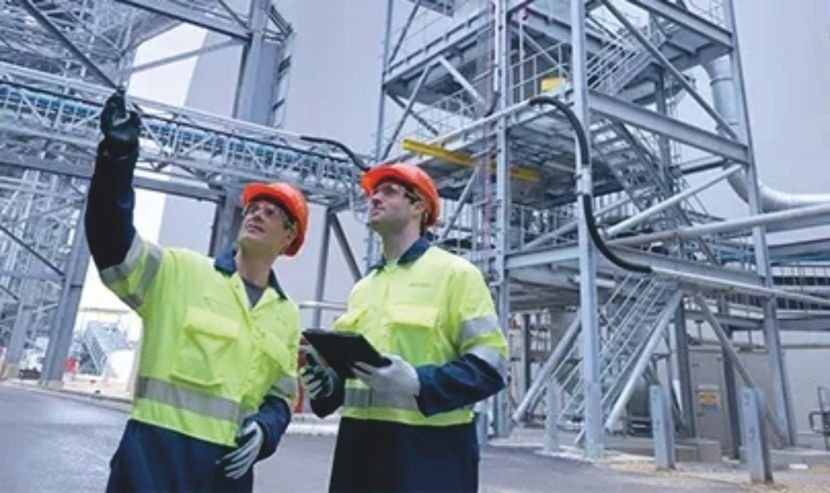
Practices of Safe Lifting: Before lifting any load, make sure it is properly secured, stable, and balanced. Avoid sudden movements or jerking that could cause the load to swing or become unstable. Never stand or walk under a suspended load.
Clear & Effective Communication and Signalling Systems: During lifting operations, there must be constant & clear communication among operators, riggers, and signalers to ensure the task is completed safely & smoothly. Where necessary, they should use standard hand signals or reliable radio communication to coordinate their movements & avoid any misunderstandings.
Emergency Readiness: Emergency procedures must be in place to handle unforeseen events such as equipment failure, a falling load, power loss, or other similar incidents. All safety equipment, brakes, limit switches, and emergency stop systems should be inspected regularly & maintained in proper working order to ensure the safety of everyone involved.
Common Hazards During Lifting Operations
The major hazards associated with lifting operations include equipment failure, overloading, falling loads, incorrect rigging, unstable loads, getting trapped or caught, crushing injuries, electrical hazards, and collisions with nearby structures or personnel. To mitigate these risks, it is essential to conduct proper risk assessments, proper planning, ensure effective supervision, regularly inspect lifting equipment, and strictly comply with established safe operating procedures.
Innovations in Lifting Technology & Equipment
The construction industry is evolving, driven by new technologies, stringent safety standards, and an increasing focus on productivity and sustainability. Lifting equipment plays a crucial role in safely transporting heavy materials, machinery, and structural components and positioning them precisely where they are needed, helping to meet the demands of modern construction projects. From traditional cranes and hoists to smart, automated lifting systems, modern technology is enabling construction companies to operate more efficiently, enhance safety, complete projects within deadlines, and optimise the better use of resources.
Smart & Digital Lifting Equipment
Modern lifting equipment is becoming increasingly smart through the use of sensors, digital monitoring systems, and telematics. With the help of these technologies, operators can monitor load weight, equipment performance, and operating conditions in real time. Consequently, companies can make better use of their equipment, plan maintenance more effectively, and carry out lifting operations with greater safety and efficiency.
Automation & Advanced Security Systems
With the help of automation, lifting operations have become safer, smoother, and more efficient. Features such as anti-sway technology, automated positioning, overload protection, and load moment indicators assist operators in handling heavy loads with greater precision and control. By reducing the risk of accidents and alleviating manual effort, these modern systems enhance safety, accuracy, and productivity in the workplace.
Electric & Hybrid Lifting Solutions
As the construction industry moves towards more sustainable practices, electric and hybrid cranes and hoists are gaining popularity. They help reduce on-site emissions, noise levels, and fuel consumption, making them a practical choice for urban construction sites, indoor operations, and projects where minimising environmental impact is a priority.
Predictive Maintenance & Remote Operation
Connected monitoring systems help in the early detection of potential issues with equipment, reducing the risk of major breakdowns. Furthermore, remote-control technology allows operators to perform certain lifting operations from safe and convenient locations, leading to improved visibility, enhanced safety, and overall operational flexibility.
The Road Ahead
The future of lifting equipment will focus on enhanced automation, smarter monitoring systems, energy-efficient machinery, and better integration with digital manufacturing technologies. Although challenges such as high initial costs, staff training, and the adoption of new technologies remain, these advancements can help improve productivity, ensure reliable performance, and create a safer working environment.
Related Articles


Current Issue
11-2026
