


Boom Lifts High Utility Construction Lifts
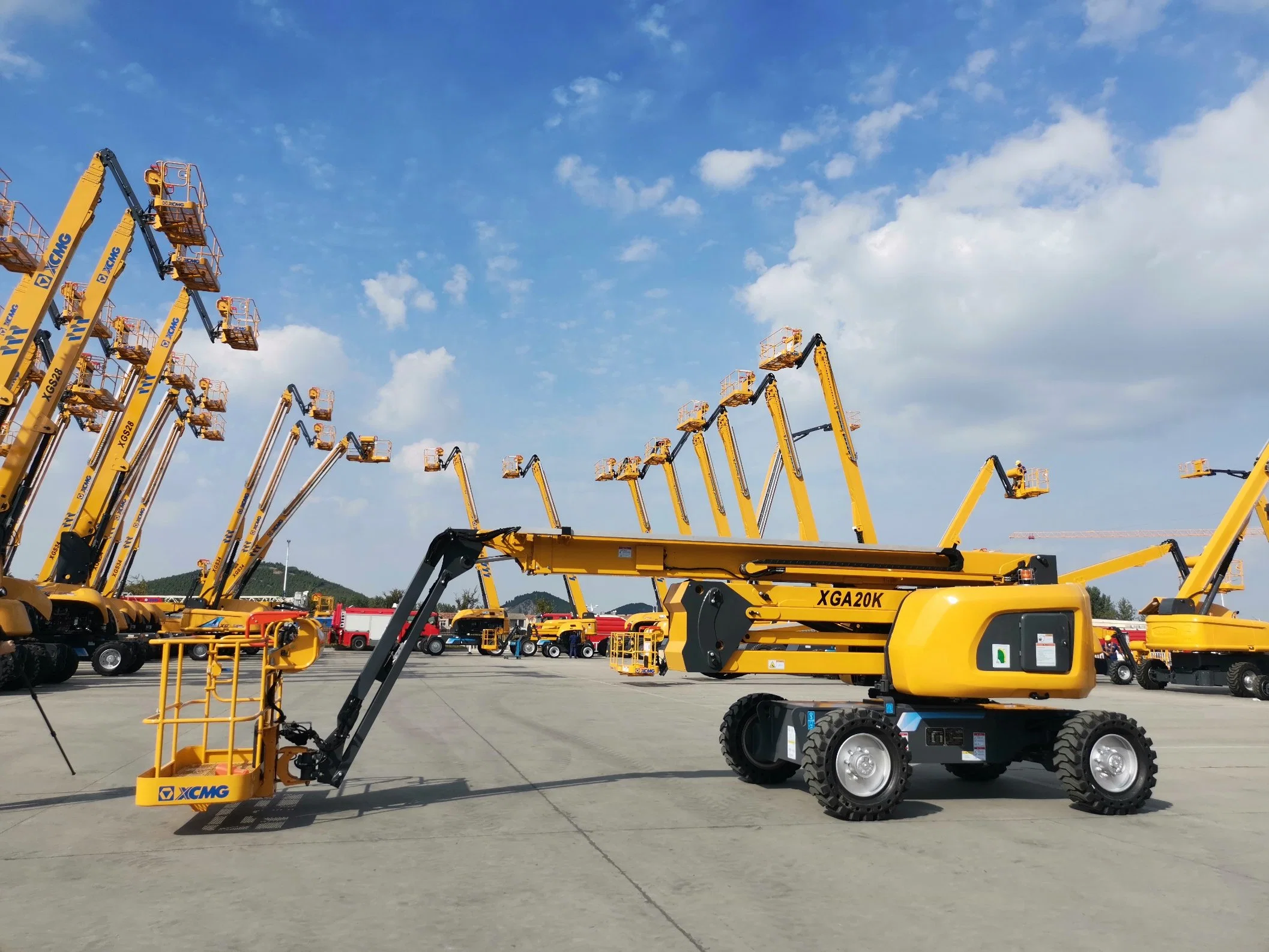
Boom lifts are construction vehicles that offer a stable work platform with adjustable elevation and reach for extended vertical and horizontal maneuverability, allowing work to be performed in positions where suitably stable footing might be otherwise impossible to obtain. The platform is attached to an arm that can maneuver it either by extending in a telescoping manner or by articulating at joints like an elbow-and-shoulder arrangement.
Boom lifts are very
versatile, high utility machines and excel at tasks that require extensive
vertical reach. They are employed in a wide variety of construction and
maintenance applications, such as painting in elevated, hard to reach
locations, trimming tree branches, constructing billboards and signs, changing
bulbs inside lamp posts, accessing utility and telecommunications boxes,
repairing phone and power lines, establishing scaffolding to provide further
accessibility for more extensive work. Due to their extreme versatility, boom
lifts are one of the most widely utilized construction and maintenance
vehicles.
There are many different
kinds of boom lifts that offer a variety of features and configurations. Boom
lifts can offer various platform sizes depending on the amount of work area
required. Larger platforms offer more room for gear or movement while working
or even multiple workers but might be unable to manoeuver appropriately into
tighter work situations. The platform can also be replaced or augmented with a
bucket, material carriers and various platform attachments.
The arm design can also
vary in a number of ways based on application, in height, reach, joint count,
maximum load capacity and mechanism. Jointed articulating boom lifts provide
more versatile 3-dimensional maneuverability whereas telescoping boom lifts are
focused on providing extended vertical reach and can achieve a given maximum
elevation in a significantly smaller footprint than an articulating lift.
Articulating lifts can vary in number of articulations, which may allow for
increased maneuverability.
Boom lift bases can also
come equipped with different locomotion options to fit varying work
environments including tires (the best all-round option for common work
situations), treads (where traction is a concern) and even crawler legs (for
striding through dense, immobilizing, marsh and muck). They can also be mounted
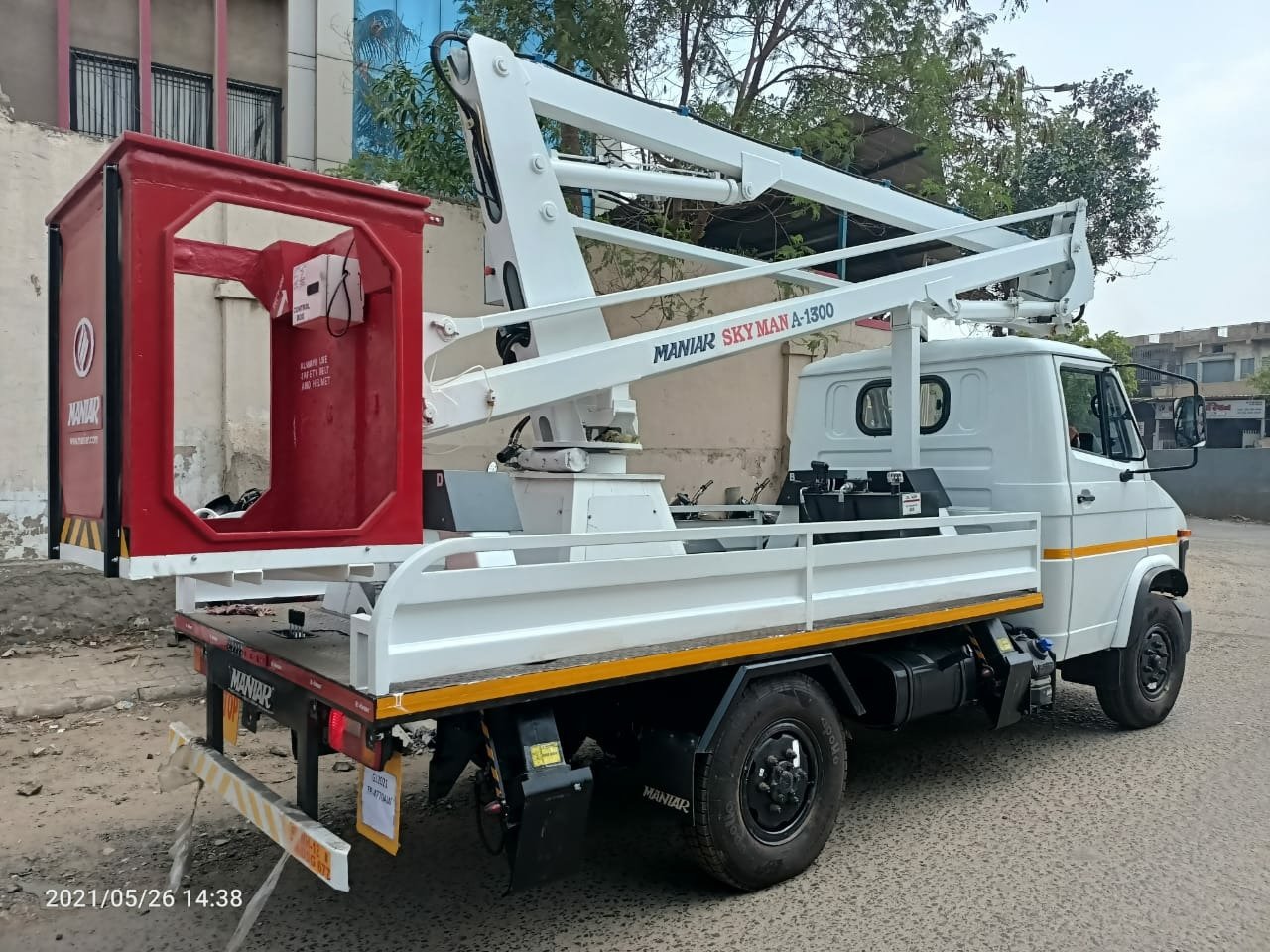
directly onto other vehicles such as trucks and vans to serve additional
utility functions. They can be diesel or electric powered. Diesel offer higher,
more portable power density but electric boom lifts are more suitable for
indoor environments where engine fumes can be a serious concern.
Articulating
Boom Lifts
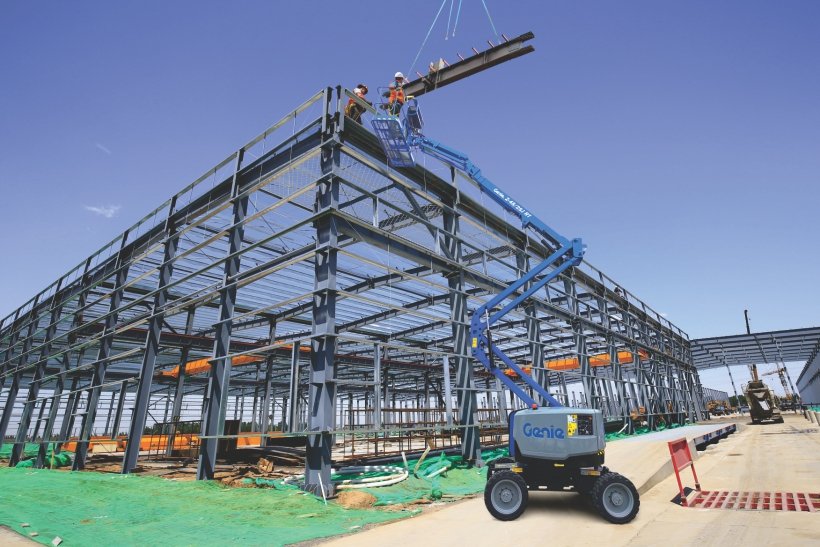
Articulating boom lifts,
also known as knuckle lifts, are known for their distinctive arm shape. The
base of the arm is mounted to a turntable, allowing it to make a full circular
rotation. The arm itself features multiple joints that allow it to bend in various
directions. The flexible design bends around and over obstacles, lifting the
worker so they can access tight and hard-to-reach areas.
Companies with busy,
crowded work sites often choose an articulating boom because it not only
reaches high and far but also masters angles and reaches to get around people
and equipment. That makes it the better choice for tight and confined spaces
such as an apartment building project in a dense, urban area.
An articulating boom would
be the preferred choice for applications that require agility to reach over or
around objects, such as chimneys, ceiling joists or roof trusses, HVAC or
electrical fixtures, the floors of a building under construction, or warehouse
shelves. Some models can also reach down to a certain degree, such as to a
lower level or into a gravel quarry, utility hole or another kind of excavated
area.
Telescopic
Boom Lifts
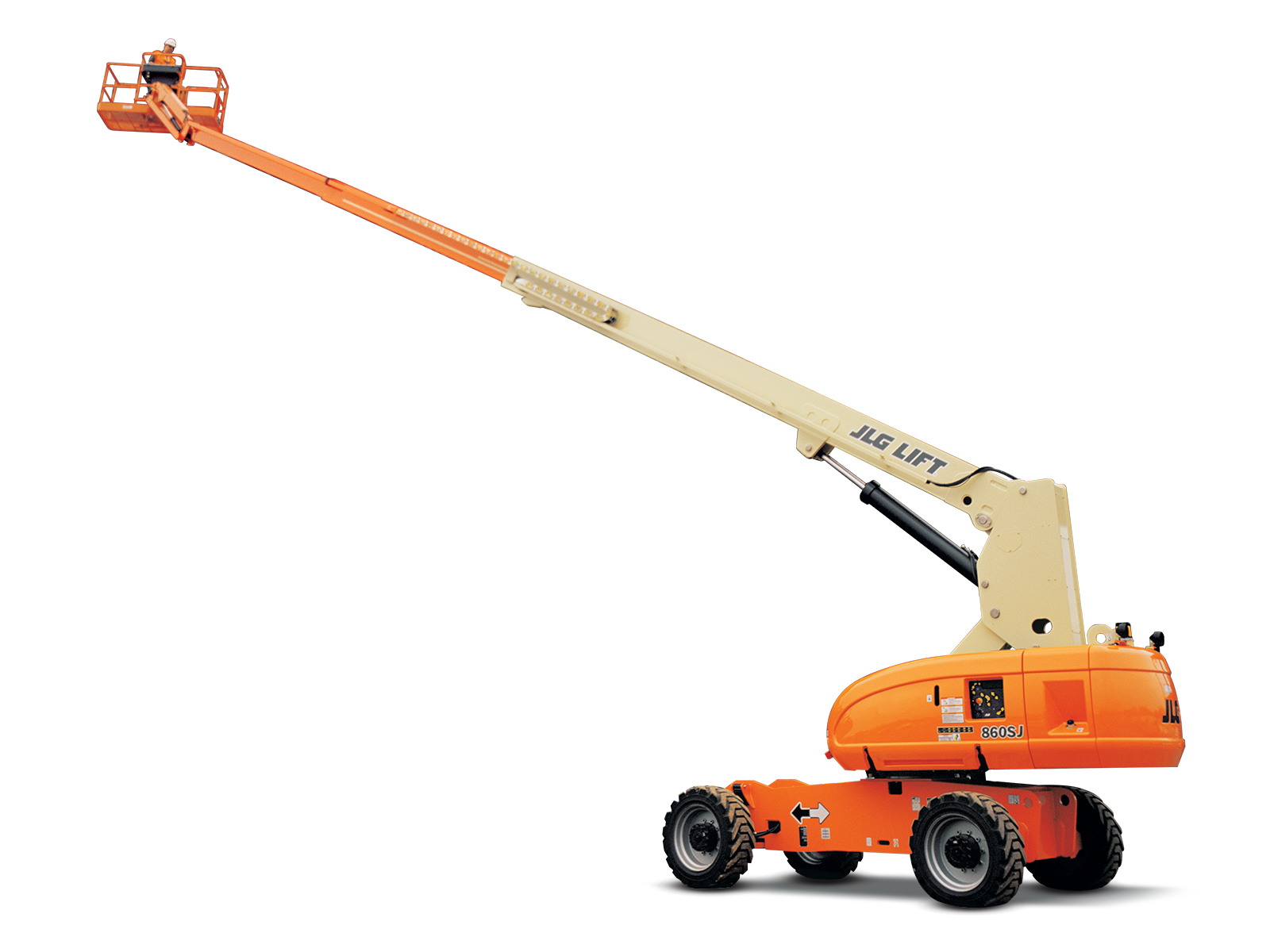
A telescopic boom operates
similarly to a telescope, since it can become longer or shorter by having
sections that slide inside one another. They fold and unfold like the
cylindrical sections of a telescope or retractable antenna. A telescopic boom
is often also called a straight-mast boom lift or a stick boom, since it
resembles a long, straight stick when extended.
Hydraulics power the
sections of a telescopic boom lift as they extend and retract, so this type of
lift provides great stability and strength. As the lift extends, its adds
height. Some have cabs that are fixed, while others rotate.
Because of their design,
telescopic models do not offer the up-and-over ability to access work at
height. This type of boom lift requires more space to operate with than
articulating booms, including plenty of room around the machine’s chassis to
make turns and other movements. But telescopic boom lifts can typically reach
higher than articulating boom lifts, which means these models provide both
maximum height and maximum outreach to access work from a distance, especially
where the terrain or obstacles prevent close access.
A telescopic boom lift
would be the best choice for applications that require the versatility to reach
high, like multi-story buildings, or to reach far out at a lower level, like
under bridges.
Towable
Boom Lifts
Towable boom lifts (also
known as tow-behind boom lifts or trailer-mounted boom lifts) offer many
advantages on job sites, but by far, the biggest one is that these machines
provide operators reach and mobility — combining the flexibility of a small
utility vehicle with the versatility of a self-propelled lift and platform.
Towable boom lifts are lightweight, simple to operate and setup and easy to transport, making these machines an affordable solution to accessing height. Their ease of transportation and setup make them ideal for projects that require frequent setup and takedown.
Equipped with outriggers
that make the towable boom lifts more stable, these light machines can operate
on softer terrain than traditional boom lifts. Although they are more limited
in vertical and horizontal height than straight or articulating boom lift,
towable boom lifts are a great option for multiple projects.
Because tow-behind models can be brought to the job site and begin working in no time, trailer-mounted machines are ideal to use to complete a wide variety of everyday home/business/municipality construction and maintenance applications, as well as seasonal tasks, like tree trimming, decorating, lighting, exterior painting and maintenance.
Related Articles


Current Issue
11-2026
