


Conmat Heavy Industries: Building the Future with Smart, Sustainable Construction Technologies
The Indian construction equipment industry is evolving rapidly with growing investments in infrastructure, digitalization, automation, electrification, and sustainable technologies. How is your company responding to these changes? What are your latest products, technologies, or solutions that address the evolving needs of contractors and infrastructure developers and what are their key features and advantages?
India's infrastructure growth is creating demand for equipment that is not only more productive but also smarter, cleaner, and more reliable. At Conmat Heavy Industries, our strategy has been to continuously invest in technology, automation, and digital solutions that improve project efficiency while supporting sustainability goals.
One of our key focus areas has been intelligent equipment. Today, our complete product portfolio is IoT-enabled, allowing customers to monitor machine performance, utilization, fuel consumption, and maintenance requirements in real time. This enables better fleet management, minimizes downtime, and helps contractors make faster, data-driven decisions.
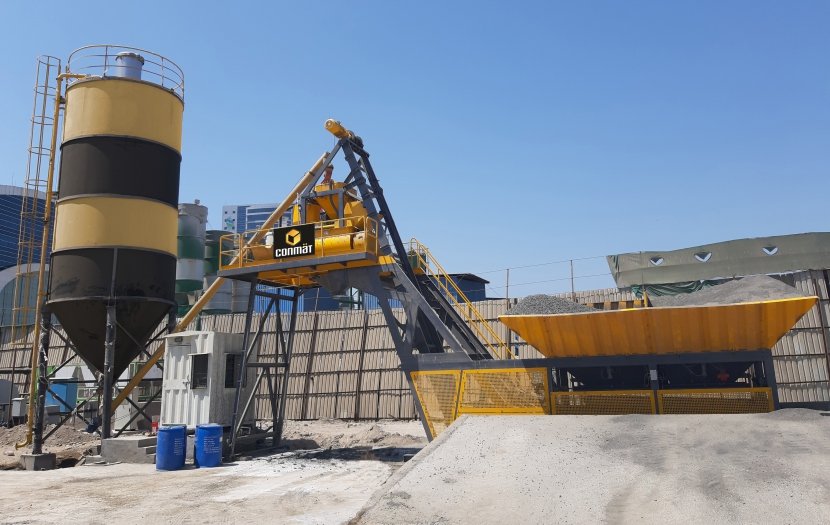
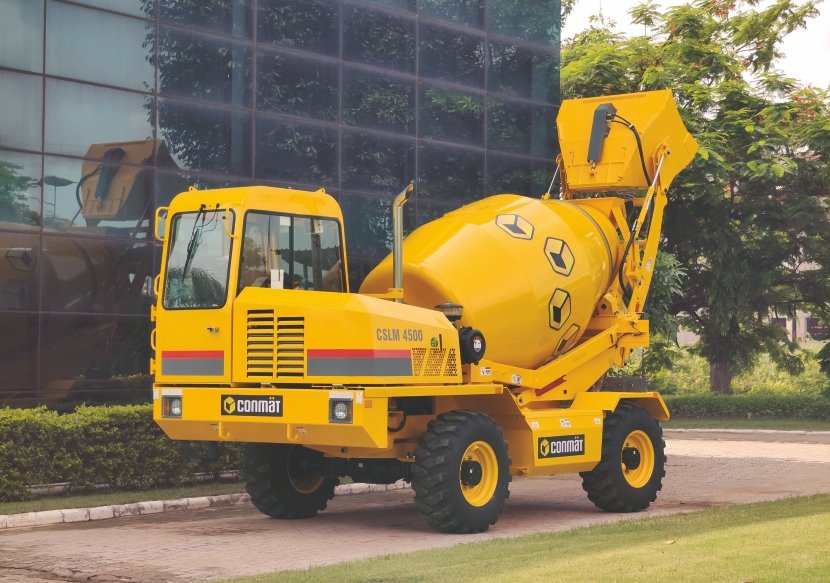
Our products like the CSLM BS-V Self-Loading Mixer with the Smart i-CON platform, combines real-time machine monitoring, predictive maintenance, geo-fencing, and cloud-based analytics to maximize equipment availability and operational efficiency. Similarly, our batching plants are equipped with advanced SCADA-based control systems and the Smart iCloud Asset Management System, ensuring accurate batching, consistent concrete quality, remote monitoring, and comprehensive production reporting. These technologies help customers reduce material wastage, improve quality control, and achieve higher productivity while complying with evolving environmental standards.
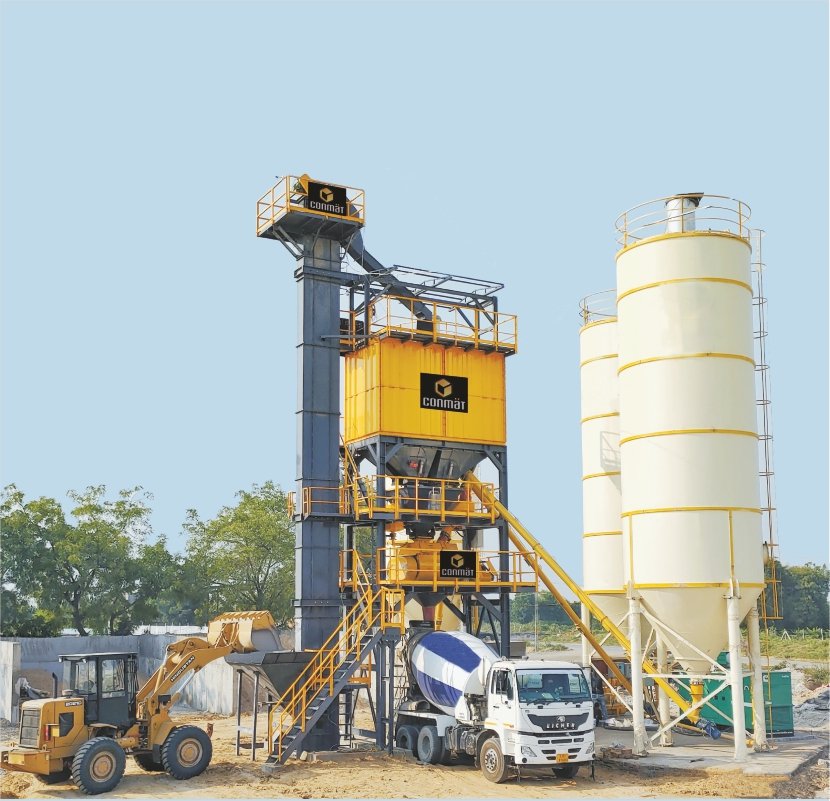
To meet the evolving requirements of urban infrastructure projects, where space is often constrained, such as metro construction sites and other compact project locations, we offer compact batching plants and tower batching plants that deliver high productivity while minimizing the overall site footprint.
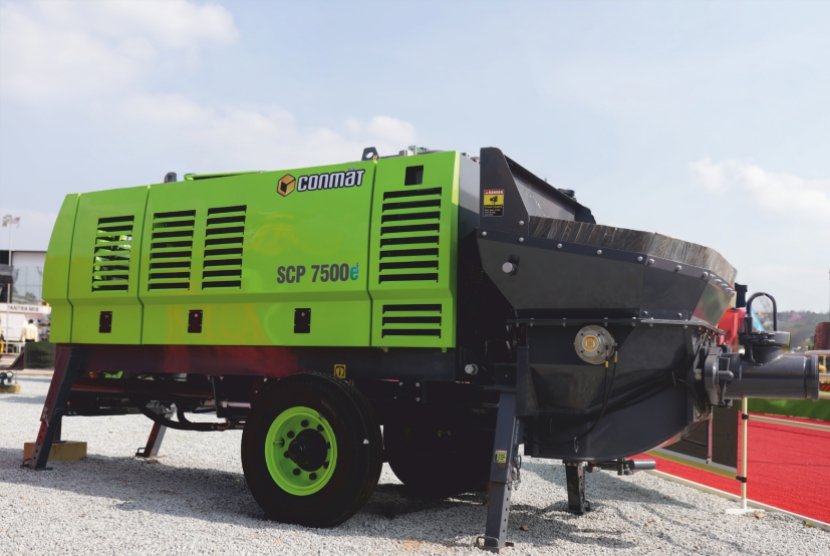
Additionally, we have diversified our portfolio to include electrically powered concrete construction equipment, such as electric self-loading mixers (SLMs), electric concrete pumps, electric paver machines, electric transit mixers etc. At the same time, we have strategically expanded into the earthmoving and infrastructure machinery segments, further strengthening our presence across the construction equipment industry.
Customer expectations today extend beyond machine performance to include uptime, ease of maintenance, operator safety, and after-sales support. How has customer feedback influenced your product development and service strategy in recent years? What measurable improvements have these changes delivered in terms of fuel efficiency, reliability, maintenance costs, lifecycle value, or operator productivity?
Customer feedback has become one of the most important drivers of our product development strategy. Contractors today expect complete lifecycle support rather than simply purchasing a machine, and we have aligned our approach accordingly.
Based on customer inputs, we have focused on improving machine reliability, simplifying maintenance, enhancing operator comfort, and strengthening our digital service capabilities. Predictive maintenance through IoT monitoring enables service teams to identify potential issues before they lead to equipment breakdowns, significantly improving machine uptime. Remote diagnostics also allow faster troubleshooting, reducing service response times and minimizing project disruptions.
Advanced automation in our batching plants minimizes human intervention, ensuring consistent output with lower operational costs. These enhancements translate into lower maintenance expenses, improved fuel efficiency, longer equipment life, and higher return on investment for customers. Our expanding service network, availability of genuine spare parts, and continuous operator training further strengthen customer confidence throughout the equipment lifecycle.
As far as operator safety is concerned, it has always been our key priority across our equipments. For instance, we offer a comprehensive range of safety features in our batching plants, including pull cord switches, belt sway switches, zero-speed sensors, captive safety switches for the mixer, and 360-degree guarding with electrical interlocks. These integrated safety systems are designed to prevent unsafe operations, reduce the risk of accidents, and ensure a safe and reliable working environment for operators.
Looking ahead, what do you believe will be the key trends shaping the future of the concrete and construction equipment industry in India over the next few years? How is Conmat preparing for this transformation, and what strategic priorities or innovations will drive your growth in the Indian market?
India's infrastructure sector is undergoing an unprecedented transformation, driven by significant investments in roads, railways, metros, airports, ports, and urban development. Reflecting this strong commitment, the Union Budget 2026-27 increased the capital expenditure (capex) allocation for infrastructure to ₹12.2 lakh crore. This sustained government focus on infrastructure development is expected to drive robust and consistent demand for concrete construction equipment in the years ahead.
The next phase of growth in India's construction equipment industry will be driven by digitalization, automation, sustainability, connected machines, and greater adoption of data-driven project management. As infrastructure projects become larger and timelines more demanding, customers will increasingly seek intelligent equipment that delivers higher productivity with lower operating costs and environmental impact.
At Conmat, we are preparing for this transition by strengthening our investments in research and development, smart manufacturing, and digital technologies. Our focus remains on developing equipment that is more efficient, connected, and environmentally responsible while delivering measurable value throughout its lifecycle. We are also expanding our manufacturing capabilities, enhancing customer support infrastructure, and building stronger partnerships with contractors and infrastructure developers.
Our long-term vision is to move far beyond a manufacturing company into a global technology leader shaping the future of construction and infrastructure. By combining innovation, quality, digital intelligence, and customer-centric solutions, we aim to contribute meaningfully to India's infrastructure ambitions while creating sustainable value for our customers and stakeholders.




Current Issue
10-2026
