


Cement-Treated Base (CTB) For Strong and Solid Pavement Foundation

The structure of a flexible
and rigid road pavement comprises several courses designed to transfer the
trafficking loads to the natural subgrade at the bottom. Typically, the upper
courses (i.e., surface and binder layers) are bound using bitumen or cement,
while the other courses (i.e., base and subbase layers) are generally solely
comprised of unbound granular materials. Unbound granular materials for road
bases may exhibit insufficient properties (e.g. low bearing capacity,
susceptibility for frost action), which then results in substantial pavement
distress and reduction of the pavement life.
Due to continual increases
in traffic loads and changes in environmental conditions, innovative
technologies are sought to improve the mechanical properties of unbound course
materials to provide enduring solutions. Some addition of a stabilizing agent
such as cement, bitumen, lime or some non-traditional agents can improve the
properties of unbound course materials. Among these different stabilized
materials, cement-bound materials develop a quite high stiffness and strength,
and exhibit good performance for pavement serviceability and high durability.
Stabilized bases can provide cost-effective solutions to many common designs
and construction situations.
What
is Cement Treated Base?
Cement Treated Base (CTB)
is a traditional method applied in road bases materials to improve its
engineering properties. Cement-Treated Base is a type of Soil-Cement describing
an intimate mixture of native soils and/or manufactured aggregates with
measured amounts of portland or blended cement and water that hardens after
compaction and curing to form a strong, durable, frost-resistant paving
material. Other descriptions such as soil-cement base, cement-treated aggregate
base, cement-stabilized roadbed, and cement-stabilized base are sometimes used.
CTB is widely used as a pavement base for highways, roads, streets, parking
areas, airports, and materials handling and storage areas. It is suitable as a
base for asphalt pavements or subbase for concrete pavements.
The soil and aggregate
materials for use in CTB may consist of (1) any combination of gravel, stone,
sand, silt, and clay; (2) miscellaneous material such as caliche, scoria, slag,
sandshell, cinders, and ash; (3) waste material from aggregate production
plants; (4) high-quality crushed stone and gravel base course aggregates; or
(5) old flexible pavements, including the pulverized bituminous surface and
stone or gravel base course.
In CTB construction the
objective is to obtain a thorough mixture of an aggregate/granular material
with the correct quantity of portland or blended cement and enough water to
permit maximum compaction. The completed CTB must be adequately cured to both
let the cement hydrate and to harden the cement-aggregate mixture.
Advantages
of Cement Treated Base
CTB possesses its own
unique structural characteristics. CTB pavements are designed for both economy
and long service life. CTB provides a stiffer and stronger base than an unbound
granular base. A stiffer base reduces deflections due to traffic loads, which
results in lower strains in the asphalt surface. This delays the onset of
surface distress, such as fatigue cracking, and extends pavement life. CTB
materials provide additional strength and support without increasing the total
thickness of the pavement layers. Depending on project needs, CTB increases the
construction speed, enhances the structural capacity of the pavement, or in
some cases reduce the overall project time.
Base thickness of CTB is
reduced because of high bearing strength compared to unbound granular base
thicknesses. The thickness of CTB is less than that required for granular bases
carrying the same traffic because CTB is a cemented, rigid material that
distributes the load over a large area. The strong uniform support provided by
CTB results in reduced stresses applied to the subgrade. A thinner cement
stabilized section can reduce subgrade stresses more than a thicker layer of
untreated aggregate base. Subgrade failures, potholes, and road roughness are
thus reduced.
CTB’s slab-like
characteristics and beam strength are unmatched by granular bases that can fail
when interlock is lost. This happens when wet subgrade soil is forced up into
the base by traffic loads. Hard, rigid CTB is practically impervious. It
resists cyclic freezing, rain, and spring-weather damage. CTB continues to gain
strength with age even under traffic. This reserve strength accounts in part
for CTB's excellent performance.
Rutting is reduced in a CTB
pavement. Loads from channelized traffic will displace unbound granular
material beneath flexible surface pavements. Moisture intrusion can destroy
unstabilized pavement bases, but not when cement is used to bind the base. CTB
pavements form a moisture-resistant base that keeps water out and maintains
higher levels of strength, even when saturated, thus reducing the potential for
pumping of subgrade soils.
CTB when used as a subbase
layer under concrete pavements, it prevents mud-pumping of fine-grained subgrade
soils under wet conditions and heavy truck traffic. In addition to preventing
mud-pumping, CTB provides a uniform, strong support for the pavement, provides
a firm, stable working platform for construction equipment, prevents
infiltration of subgrade into the subbase, prevents subbase consolidation under
traffic, and provides increased load transfer at pavement joints.
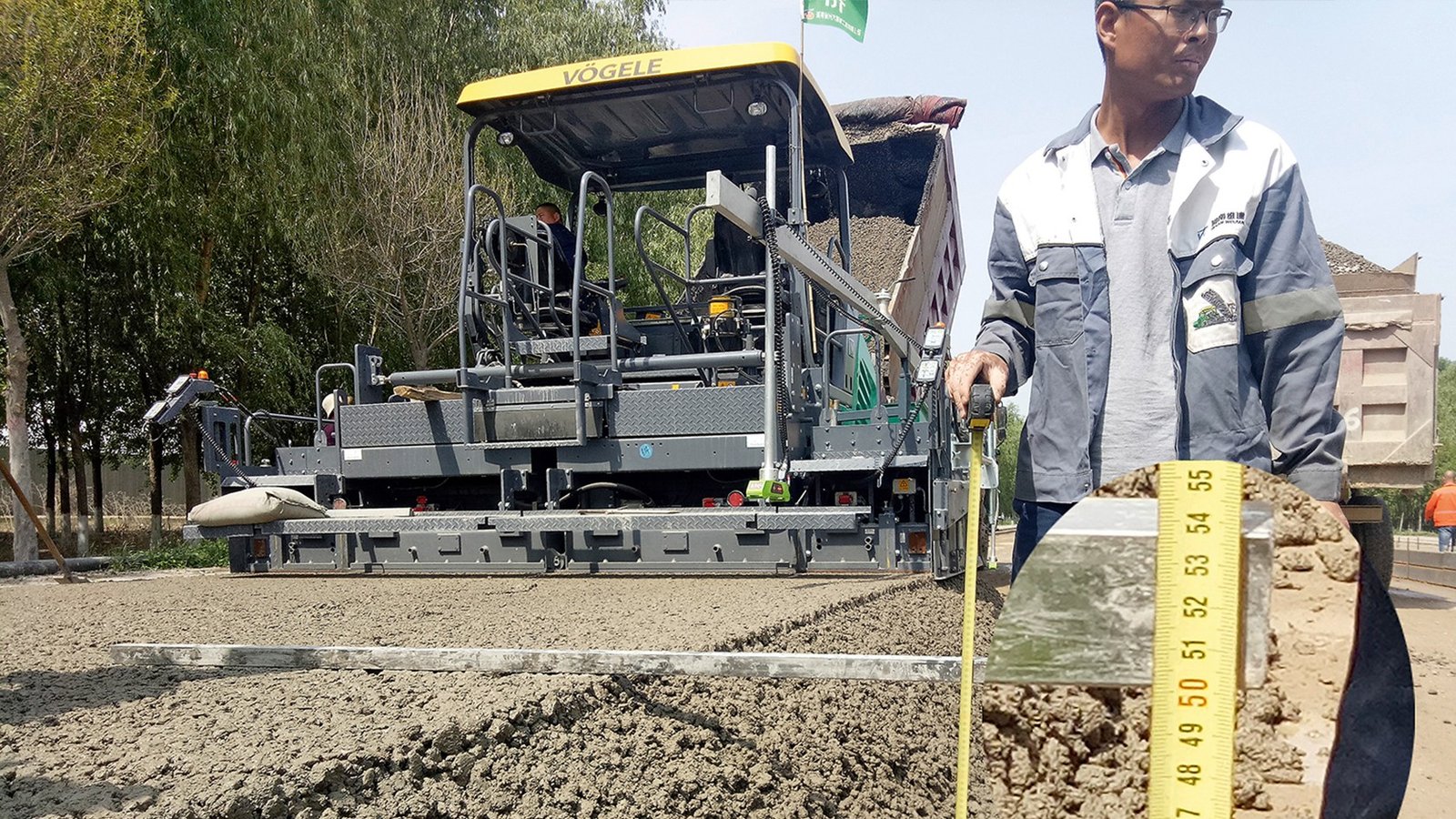
CTB is versatile as it can
be either mixed in place using transverse-shaft pulvermixers or traveling
mixing machines and compacted after blending or mixed in a central plant,
either be continuous-flow or batch-type pugmill mixers, where it is hauled to
the placement area and spread on a prepared subgrade or subbase and compacted.
Mixing
Plant for CTB Material
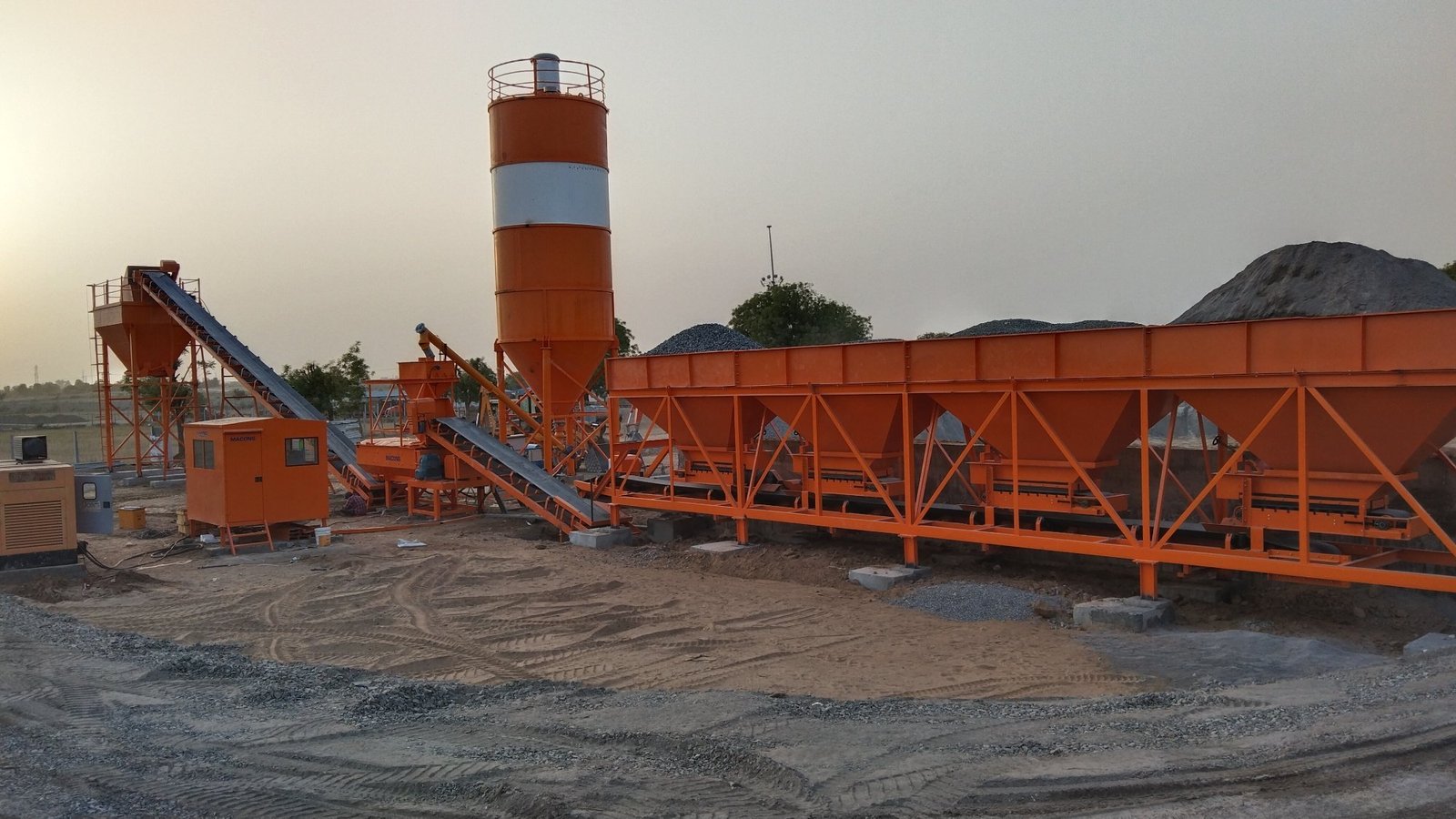
The continuous-flow-type
pugmill plant is the most common for producing CTB material. The plant setup is
typified by a hopper or bulkhead feeder system containing the soil/aggregate, a
screening device to remove oversized material from the raw soil/aggregate feed
prior to mixing, a cement silo, surge hopper and feeder, main feeder belt, and
revolving-blade pugmill mixer. The plant is equipped with metering and feeding
devices that will add the soil/aggregate, cement, and water into the mixer in
the specified quantities.
Cement is usually metered onto the soil/aggregate main feeder belt just prior to entering the pugmill. Water is metered and added by means of spray bars mounted above the pugmill. The mixed material is discharged into a holding hopper and then into haul trucks. Soil/aggregate and cement are mixed sufficiently to prevent cement balls from forming when water is added. The mixing time shall be that which is required to secure an intimate, uniform mixture of the soil/aggregate, cement, and water.
Related Articles


Current Issue

10-2026
