


Pre-Engineered Buildings Reshaping India?s Construction Landscape
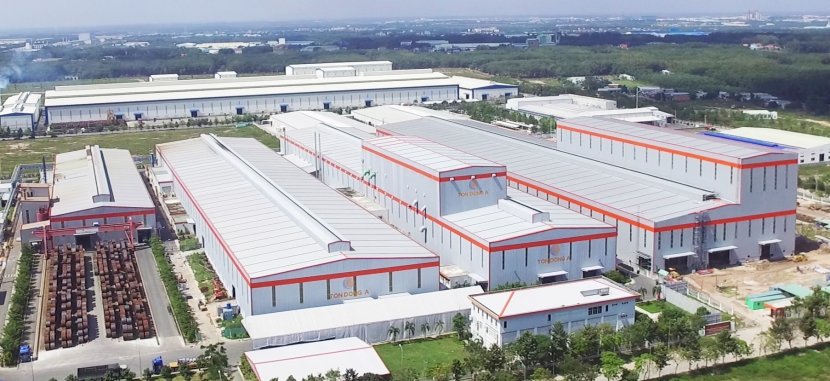
The pre-engineered building
construction in India has experienced remarkable growth in recent years, driven
by the country's rapid urbanization, industrial development, infrastructure
development projects, rising environmental awareness, and technological advancement.
Pre-engineered buildings offer a cost-effective and time-efficient solution for
constructing various structures, including warehouses, factories, commercial
buildings, institutional buildings and residential complexes.
The demand for
pre-engineered buildings in India has surged due to their inherent advantages
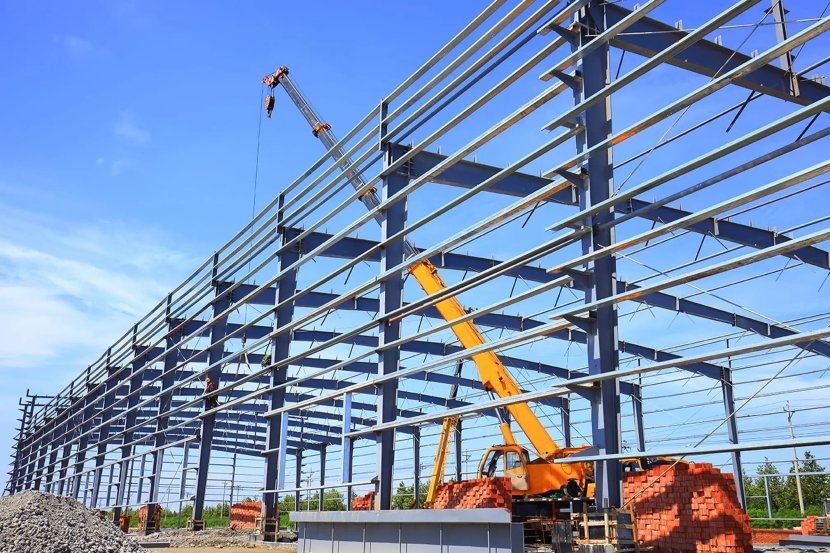
over traditional construction methods. PEBs are designed, fabricated, and
assembled off-site, utilizing standardized components that can be quickly
assembled on-site. This approach minimizes construction time and costs, making
PEBs an attractive option for projects with tight timelines and budgets.
Pre-Engineered
Buildings (PEBs)
Pre-engineered buildings
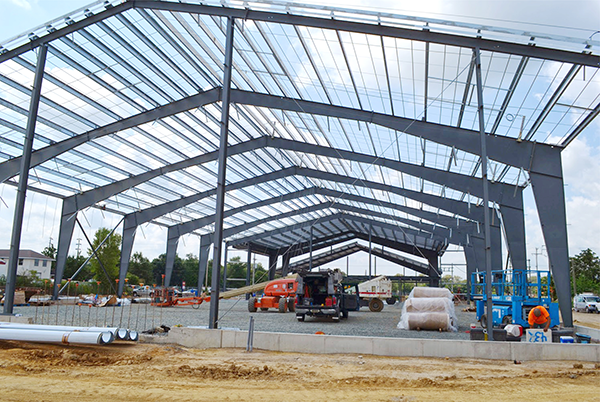
are metal enclosure structures made in a factory by a structural frame,
standard roof, and wall support and are erected at the site. The complete
designing of the building is done off-site at the factory site, and the
components are brought to the construction site in the knock-down condition.
The concept drastically reduces construction time, increases
cost-effectiveness, and maintains a high-quality infrastructure with less
maintenance. Compared to traditional construction method, the pre-engineered
building offers many advantages, including reduced project construction time by
about 50%, low cost, and easily expanded. Better quality controls need lower
maintenance, energy-efficient roofing and wall systems, and architectural
versatility. Moreover, the pre-engineered buildings can be fitted with various
structural accessories such as mezzanine floors, interior partitions, canopies,
and fascia and are made waterproof using special mastic beads, trims, and
filler strips.
Application
Areas
Pre-engineered buildings
find extensive applications in multiple sectors across India. Industrial
structures, including warehouses, manufacturing plants, and logistics centers,
form a significant segment of the PEB market. The industrial sector's need for
large, open spaces and flexible layouts aligns well with the customization capabilities
of PEBs.
Commercial buildings, such
as shopping malls, office complexes, and showrooms, are another prominent
segment. PEBs offer versatile design options, allowing architects and
developers to create aesthetically pleasing and functional spaces.
The residential sector is
also embracing PEBs, particularly for low-rise buildings and affordable housing
projects. The speed of construction, cost-effectiveness, and durability of PEBs
make them an appealing choice for residential developments.
There is also immense scope
for PEBs in institutional buildings like school, colleges, libraries,
hospitals, and community centers and in urban infrastructural development
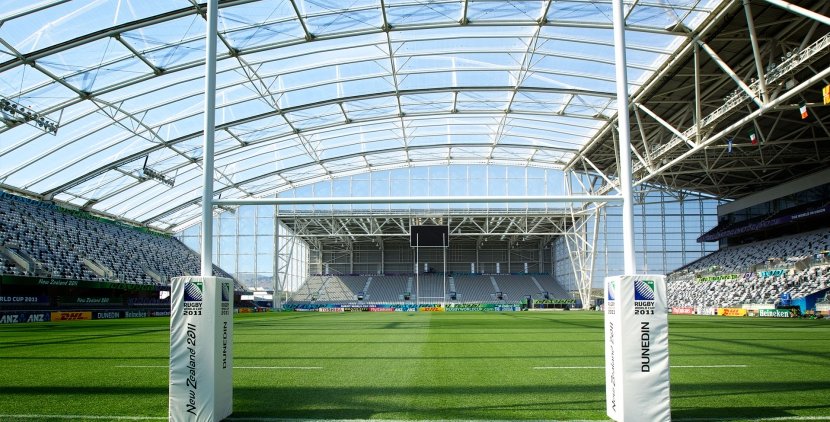
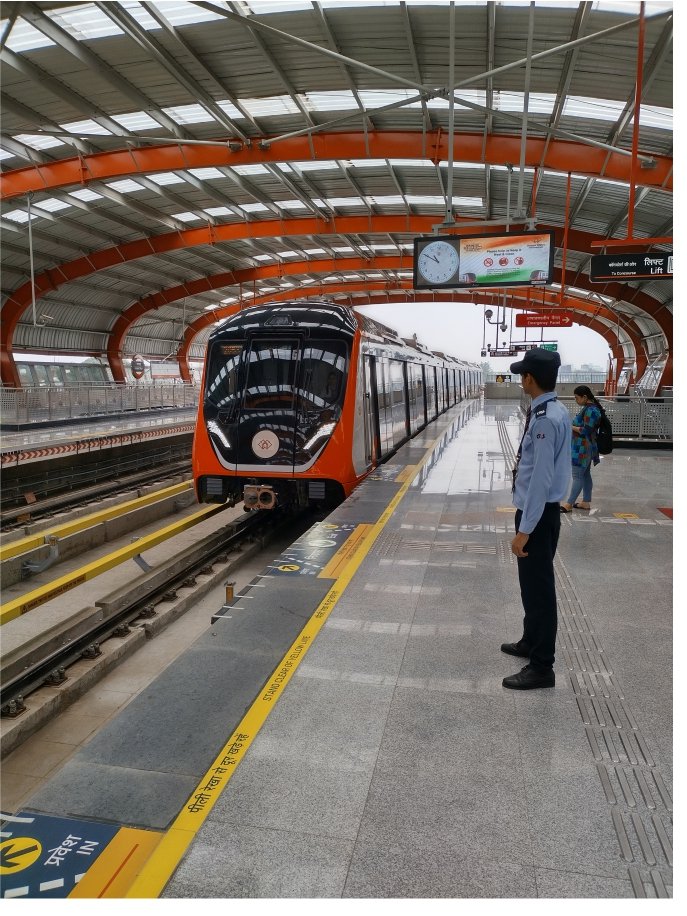
projects such as stadiums, airports, railway and metro stations.
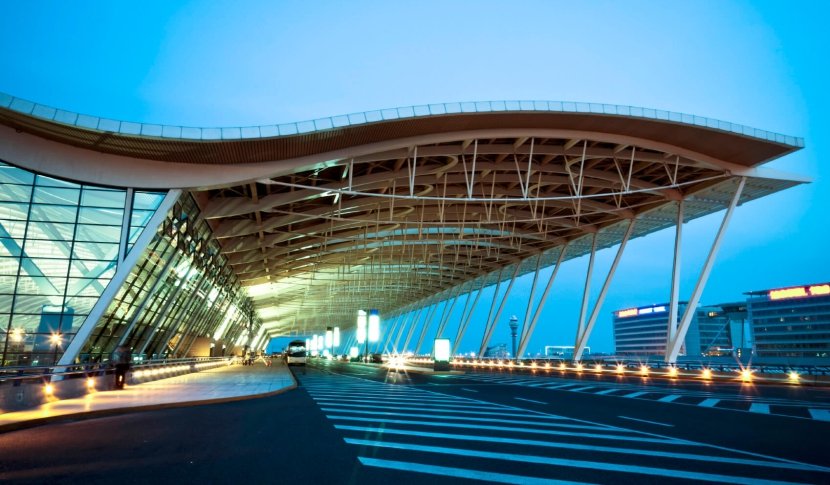
PEBs
present a compelling proposition for the Indian market, promising:
Accelerated Project
Completion: Unlike conventional on-site construction, PEBs are fabricated
off-site in controlled environments, leading to markedly shorter project
timelines. This expedites establishment for businesses and ensures timely
project delivery.
Cost-Effective Solutions:
PEBs boast efficient material usage, reduced labour requirements, and expedited
construction schedules, translating into substantial cost savings for
developers and investors.
Robust Durability:
Engineered to withstand India’s diverse climatic conditions, PEBs utilize
premium-quality steel, ensuring structural integrity and longevity while
minimizing maintenance expenses.
Pre-Engineered Building
Market Drivers:
Rapid
Urbanization and Infrastructure Development
India is urbanizing
rapidly. The urban population in India is increasing at a rapid pace, leading
to a growing demand for residential, commercial, institutional, industrial
buildings and other urban infrastructure. PEBs offer a fast and efficient
construction solution to meet the housing and infrastructure needs of rapidly
expanding urban areas.
The government's emphasis
on infrastructure development, such as smart cities, industrial corridors, and
logistics parks, has created significant opportunities for PEBs. The Make in
India initiative and the growing focus on the manufacturing sector have also
fuelled the demand for industrial structures, further propelling the PEB
market.
With the rise of
industrialization and economic development in many regions, there is a growing
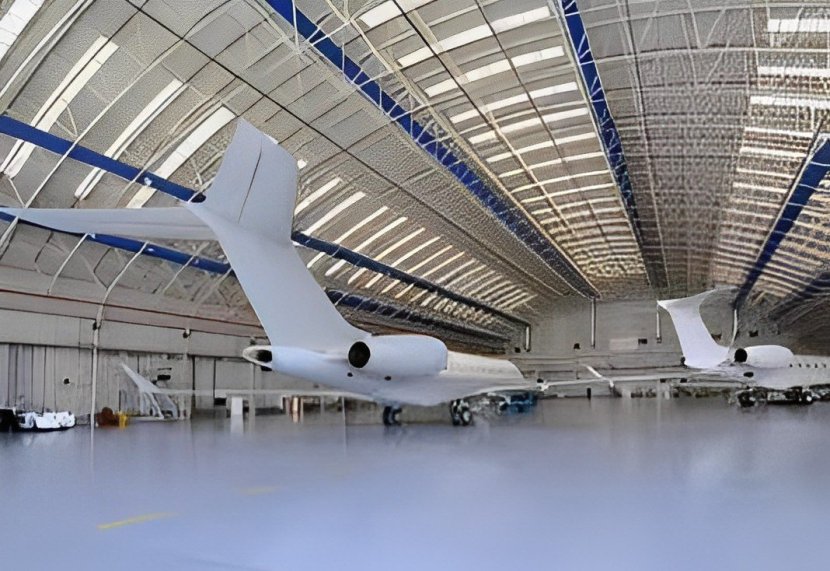
demand for industrial facilities such as warehouses, manufacturing plants, and
distribution centers. PEBs provide cost-effective and flexible solutions for
constructing large-scale industrial buildings with quick turnaround times.
Apart from this, there is
rising demand for PEBs in urban infrastructure development projects such as
airports, railway & metro stations, sports complexes etc. on account of
their design flexibility and speed of construction.
Sustainability
and Environmental Awareness
The global focus on
sustainability and the increasing need for mitigating climate change represent
one of the key factors favouring the growth PEB construction over traditional
construction. Increasing awareness of environmental issues and the need for
sustainable development has led to a shift towards green building practices.
Pre-engineered buildings offer several advantages in terms of sustainability,
including energy efficiency, reduced carbon footprint and minimized waste
generation.
Prefabrication of PEB
components minimizes construction waste compared to conventional methods.
Additionally, the use of eco-friendly material and recycled steel reduces the
environmental footprint. Modern PEB designs prioritize energy efficiency
through enhanced insulation, reflective roofing materials, energy-efficient
HVAC systems, integration of natural lighting, and adoption of renewable energy
sources like solar panels, significantly reducing energy consumption.
Technological
Advancements in PEB Design and Manufacturing
Advancements in technology
and innovations in the design and manufacturing processes of PEBs to enhance
their quality, efficiency, durability and customization options are the other
major factors influencing the PEB market positively. Additionally, the
increasing use of sophisticated three-dimensional (3D) modelling and design
software to enable precise planning and visualization of PEB structures and
optimal use of materials and structural integrity is creating a positive
outlook for the market. Apart from this, the rising reliance of PEB
manufacturers on automated manufacturing processes, which include
computer-controlled cutting, welding, and shaping of steel and other materials
is driving the market. Furthermore, the integration of the Internet of Things
(IoT) sensors and remote monitoring systems is attracting a wider consumer
base.
 Future
of PEB in India
Future
of PEB in India
India’s construction sector
is undergoing a significant transformation, propelled by the rise of
pre-engineered buildings (PEBs) that prioritize innovation and sustainability.
Pre-engineered buildings
(PEBs) represent a paradigm shift in construction methodology, offering a blend
of efficiency and rapid deployment that challenges traditional brick-and-mortar
techniques. This piece explores the factors propelling PEBs towards a bright
future in India, delving into both established advantages and emerging trends.
PEBs are reshaping India’s
construction landscape with their speed, affordability, and adaptability,
aligning with the nation’s rapid development goals. By embracing innovation and
sustainability, PEBs are poised to become the cornerstone of modern
construction in India, offering exciting possibilities for a future that is
both efficient and environmentally responsible.



Current Issue
10-2026
