


Sustainable Construction with Geosynthetics
To meet the needs of constantly growing populations worldwide, there is an urgent need to create a strong, durable, and resilient civil infrastructure. However, given the current state of global environmental challenges and the scarcity of natural resources, it is imperative to opt for sustainable practices in civil engineering construction. Sustainability principles promote environmentally friendly practices with a focus on reduction in energy consumption, lower carbon emission during construction and reduced consumption of transported/manufactured materials by recommending the utilization of recycled/waste and locally available materials.
Sustainable construction requires sustainable solutions which cut down the maintenance cost to provide long- term solutions and thus reduce the stress on the environment to provide a sustainable life cycle. When compared with conventional methods of construction, construction techniques with geosynthetics solutions have frequently proved to be sustainable, environment friendly and economical alternative.
Geosynthetics play a major role in developing sustainable civil infrastructure due to their high strength, durability, lightweight, and environmentally friendly properties. The geosynthetics facilitate easier and faster construction, thereby reducing the project's cost and energy requirement. Geosynthetics provide sustainable solutions to many problems that practicing engineers face while dealing with projects involving soils, rocks and similar materials, such as coal ashes and mine tailings.
Modern materials such as geosynthetics are the need of the hour to provide quality and long-term sustainability to the infrastructure. The polymeric nature of geosynthetics makes them a perfect choice to be used in a place where a great level of durability is required and gives them an edge over other alternative solutions. There are myriad geosynthetic options to solve an array of problems efficiently in any construction project and can be used for basic applications of separation, drainage, filtration, reinforcement, and protection. Not just that, geosynthetics can significantly reduce capital and maintenance costs and curtail construction time.
Geosynthetics as a Construction Material
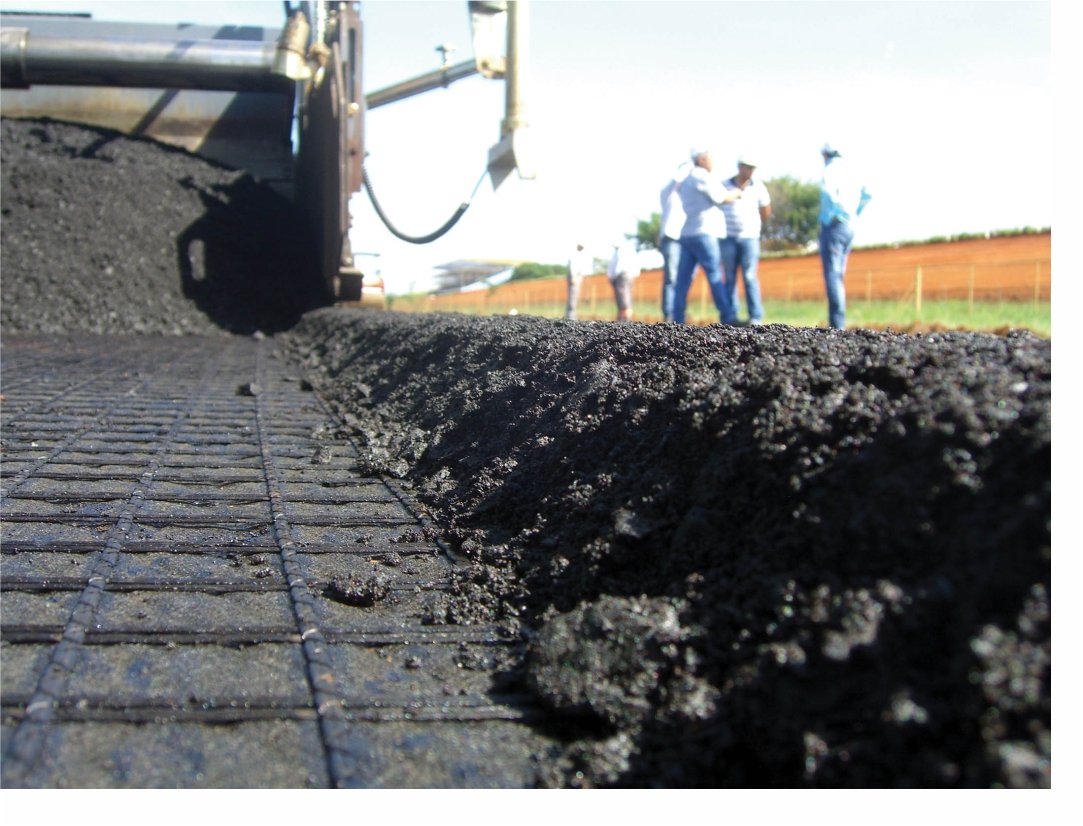 Geosynthetics is a generic
name representing a broad range of products, such as geotextiles, geogrids,
geonets, geomembranes, geocells, geofoams and geocomposites. They are
manufactured under controlled conditions, mainly from the synthetic polymeric
materials (e.g., polypropylene, polyester, polyethylene, polyvinyl chloride,
polyamide and polystyrene). Geosynthetics are designed for use in contact with
soil, rock and/or any other civil engineering-related material as an integral
part of a human-made project, structure, or system.
Geosynthetics is a generic
name representing a broad range of products, such as geotextiles, geogrids,
geonets, geomembranes, geocells, geofoams and geocomposites. They are
manufactured under controlled conditions, mainly from the synthetic polymeric
materials (e.g., polypropylene, polyester, polyethylene, polyvinyl chloride,
polyamide and polystyrene). Geosynthetics are designed for use in contact with
soil, rock and/or any other civil engineering-related material as an integral
part of a human-made project, structure, or system.
Geonaturals (products based on natural fibres), such as jute, coir and bamboo, are also being used in contact with soil, rock and/or other civil engineering-related material, especially in the temporary/short-life ground applications. In fact, the geonaturals are also polymeric materials since they contain a large proportion of naturally occurring polymers such as lignin and cellulose, and they are a part of geosynthetics.
Sustainable Landfills with Geosynthetics
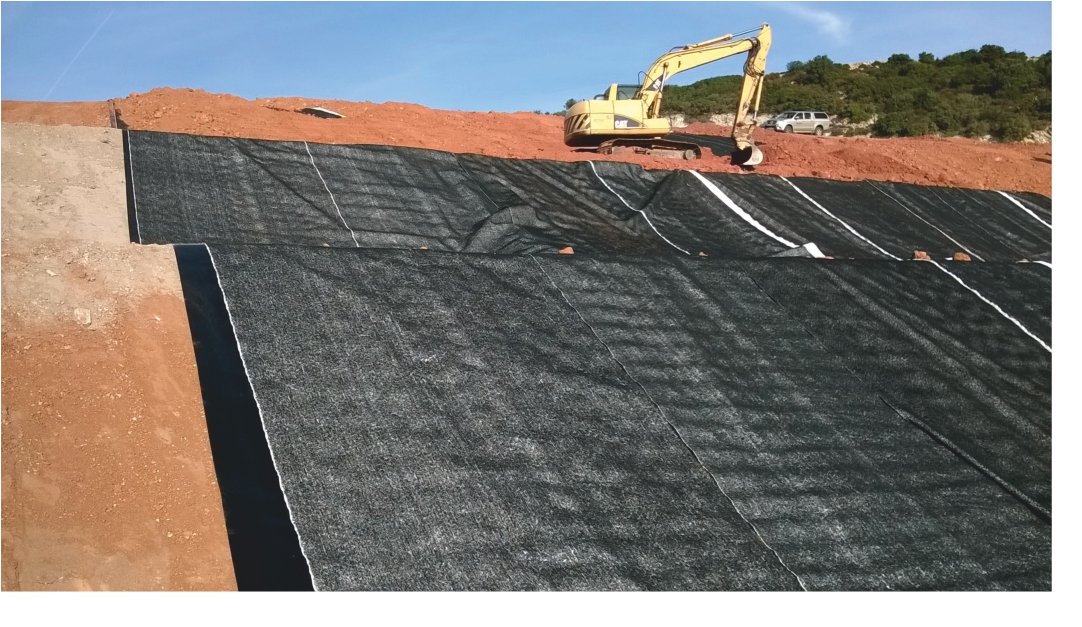 Waste management is one of
the biggest challenges today when we think of a clean green environment. The
changing nature of the wastes, the threat to the environment, and stringent
waste management regulations are all factors influencing the rise of the
current solutions in the form of Geosynthetics.
Waste management is one of
the biggest challenges today when we think of a clean green environment. The
changing nature of the wastes, the threat to the environment, and stringent
waste management regulations are all factors influencing the rise of the
current solutions in the form of Geosynthetics.
Landfill Lining Solutions: With increasing waste volumes and the hazardous nature of the leachate at landfills, groundwater contamination is a high possibility. The geosynthetic clay liners, composites, and geomembranes provide lining systems for protection at municipal solid wastes, bioreactors or nuclear waste landfills, demolition debris, and industrial hazardous waste landfills.
Sustainability in Retaining Wall Construction with Geosynthetics
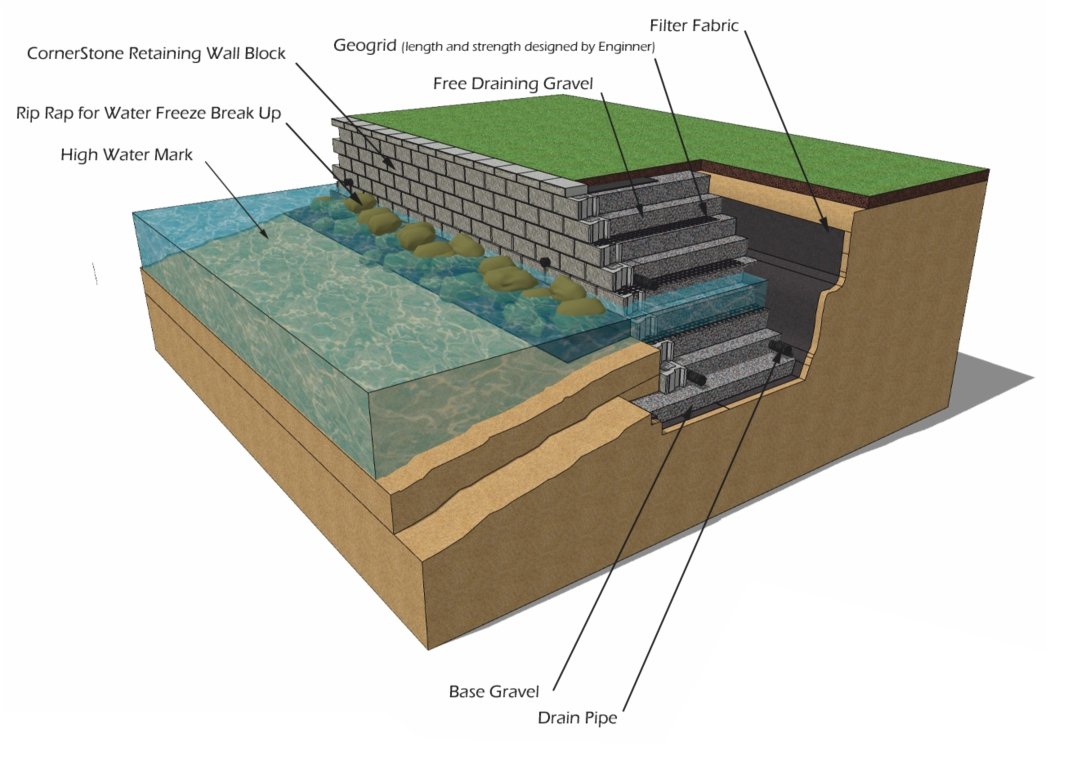 The acceptance of
geosynthetics in reinforced retaining wall construction has been triggered by a
number of factors, including aesthetics, reliability, simple construction
techniques, good seismic performance, and the ability to tolerate large
deformations without structural distress. Reinforced retaining wall with
geosynthetics is the best cost-effective and eco-friendly solution as compared
with traditional concrete retaining wall construction.
The acceptance of
geosynthetics in reinforced retaining wall construction has been triggered by a
number of factors, including aesthetics, reliability, simple construction
techniques, good seismic performance, and the ability to tolerate large
deformations without structural distress. Reinforced retaining wall with
geosynthetics is the best cost-effective and eco-friendly solution as compared
with traditional concrete retaining wall construction.
Sustainable Road Construction using Geosynthetics
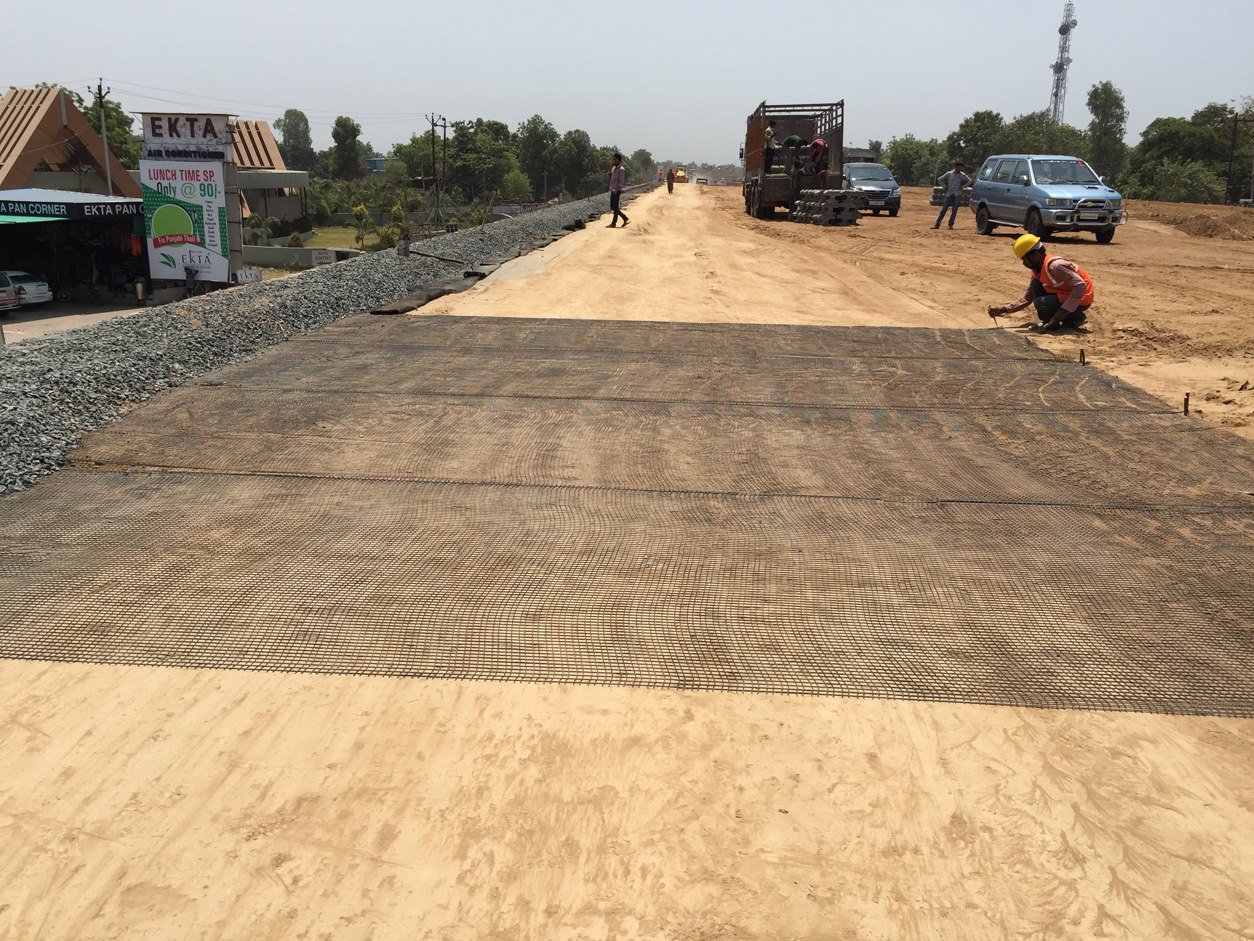
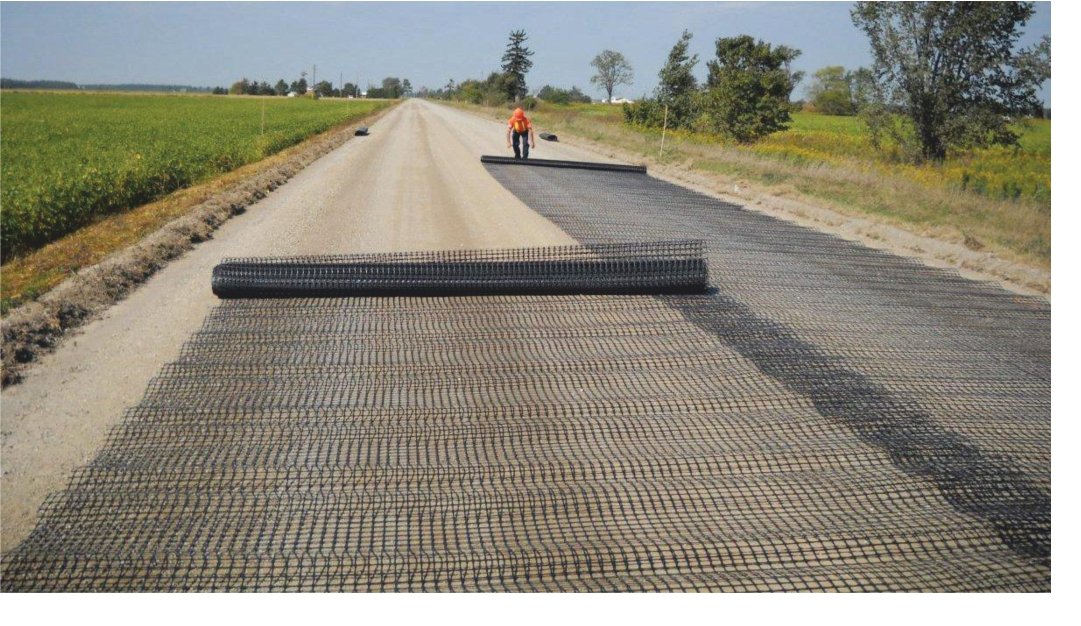 Geosynthetic-enhanced
pavements tend to have a reduced profile than their traditional counterparts.
This means reduced use of high quality aggregate, which is environmentally very
expensive to extract, transport and place. The lesser volume of material used
results directly in lesser embodied carbon of the constituent materials in the
final structure. Also, Geosynthetic-enhanced pavements usually allow the use of
poorer quality in-situ materials while traditional systems require higher grade
construction aggregates which may not be locally available and have higher
embodied carbon. Because of the use of lower volumes of construction materials
or locally available poorer quality materials, the total haulage of all
materials for the project is usually lower in the case of geosynthetic-enhanced
pavements. Further, in case of equal structures with and without
geo-synthetics, the enhanced structure is often less maintenance intensive than
the traditional structure, resulting in reduced overall embodied carbon at the
end of the design life of the structure.
Geosynthetic-enhanced
pavements tend to have a reduced profile than their traditional counterparts.
This means reduced use of high quality aggregate, which is environmentally very
expensive to extract, transport and place. The lesser volume of material used
results directly in lesser embodied carbon of the constituent materials in the
final structure. Also, Geosynthetic-enhanced pavements usually allow the use of
poorer quality in-situ materials while traditional systems require higher grade
construction aggregates which may not be locally available and have higher
embodied carbon. Because of the use of lower volumes of construction materials
or locally available poorer quality materials, the total haulage of all
materials for the project is usually lower in the case of geosynthetic-enhanced
pavements. Further, in case of equal structures with and without
geo-synthetics, the enhanced structure is often less maintenance intensive than
the traditional structure, resulting in reduced overall embodied carbon at the
end of the design life of the structure.
Sustainable Use of Geosynthetics in Dykes
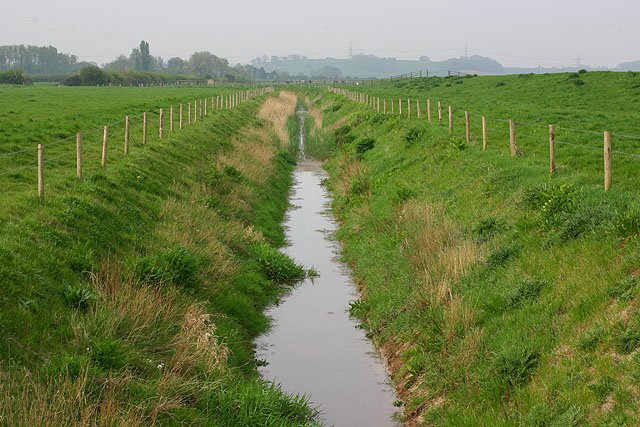
To protect the land and to allow for beneficial uses such as irrigation or navigation, special measures are often necessary to keep the water in a river within certain bounds. Longitudinal dykes constitute one of the most often used active structural methods to control the course of a river. A dyke is an embankment constructed to prevent flooding, keep out the sea or confine a river to a particular course, usually only temporarily charged by floods. Dykes are commonly made of different natural materials such as soil, rock and often supplemented by geosynthetics.
The improvement of dykes cross-sections by using different geosynthetics has developed to be state-of-the-art as geosynthetic solutions, used with natural materials, have proven to provide strength and flexibility, imperviousness and drainage, durability and robustness or to control degradation. The optimization of dyke construction with geosynthetics to increase their resilience not only results in performance advantages, but also in economic advantages and contributes to mitigating greenhouse gas emissions for a sustainable river management.
Related Articles


Current Issue

10-2026
