


Gabion Walls A Competitive Alternative to Concrete Walls
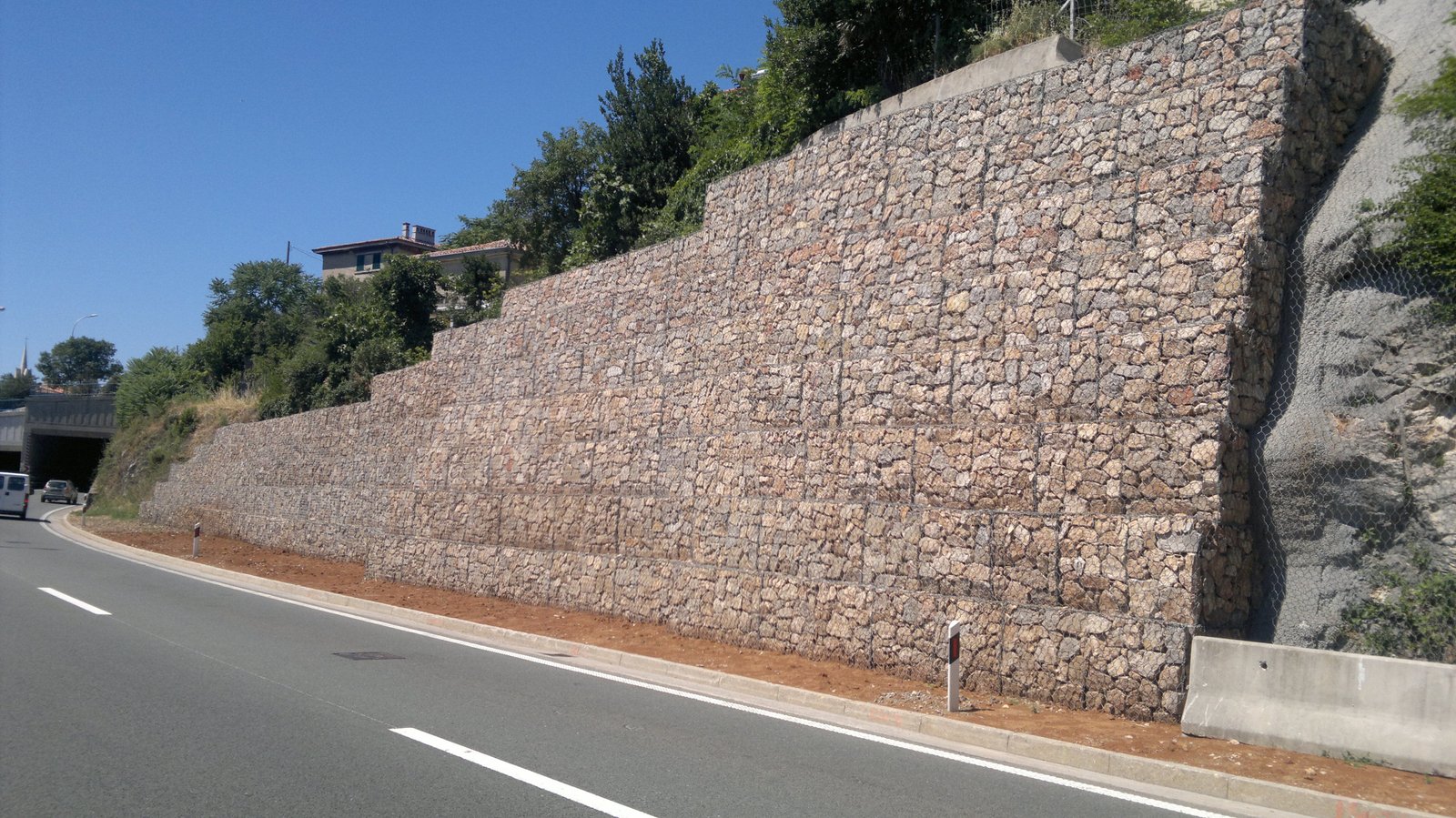
Stone-filled gabion walls are not new but are now increasingly popular with architects and designers the world over. Offering a strong structure and aesthetic appeal, they form a flexible, permeable, monolithic structure. Additionally, gabion walls are highly economical, requiring no maintenance. Gabion walls have numerous structural advantages over concrete walls and are a competitive alternative.
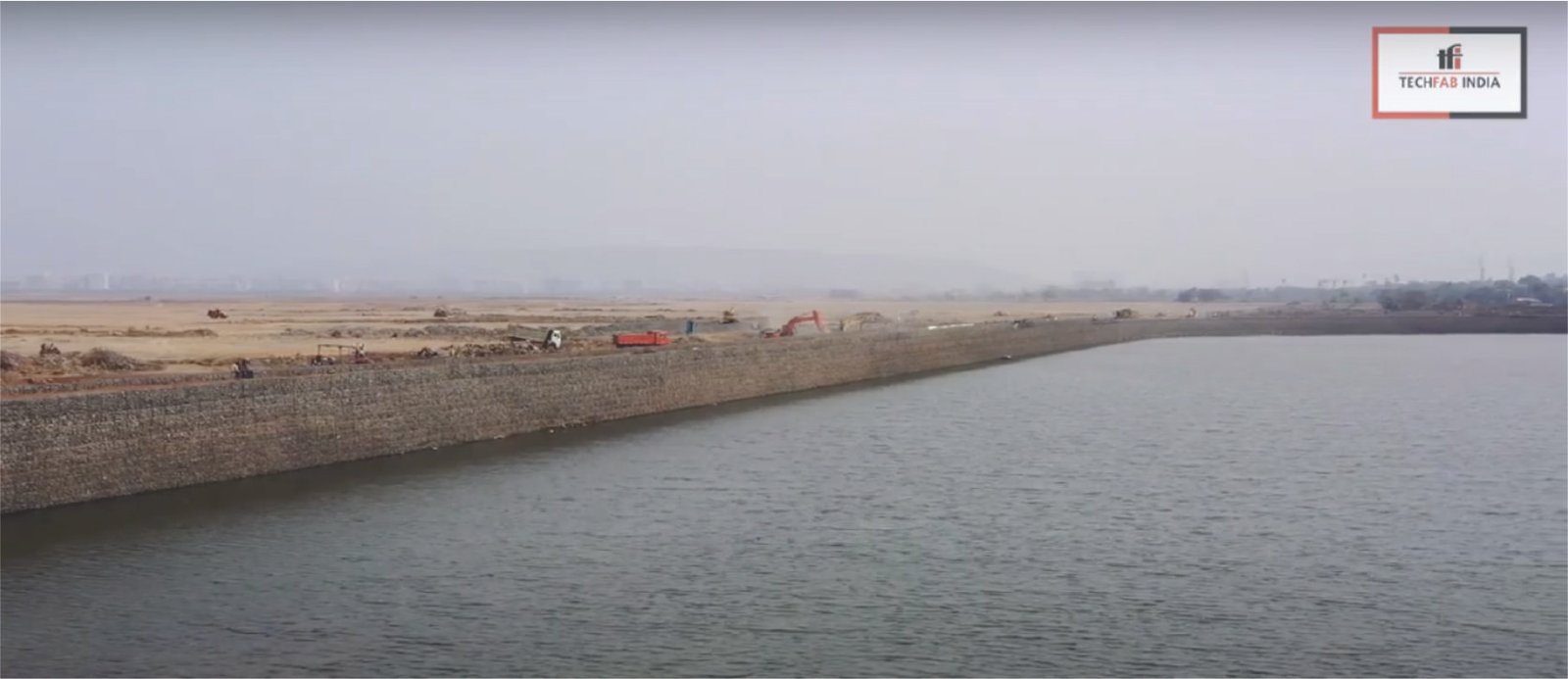
Gabion walls are often used as retaining structures such as revetment and tower walls, retaining walls, and embankments and cuttings. They can also be utilized as noise barriers, temporary floodwalls, or for aesthetic purposes including landscape elements and veneers. Riverbank defences, sea walls, dams, canal banks, groins, and weirs are applications to prevent erosion and protect lakesides and reservoirs. Gabion walls can also be utilized to divert the force of floodwater around weak structures or in the construction of dams and foundations. Lastly, they can be used to enhance energy dissipation in channels, as is the case with stepped gabion structures.
The gabion wall is created from gabions that are stacked in one or more rows, based on the height of the wall. Gabions are cuboidal cage shaped baskets fabricated from galvanized hexagonal meshes and filled with broken rocks. Gabions depend mainly on the interlocking of the individual stones and rocks within the wire mesh for internal stability, and their mass or weight to resist hydraulic and earth forces. Gabions are a porous type of structure that can sometimes be vegetated.
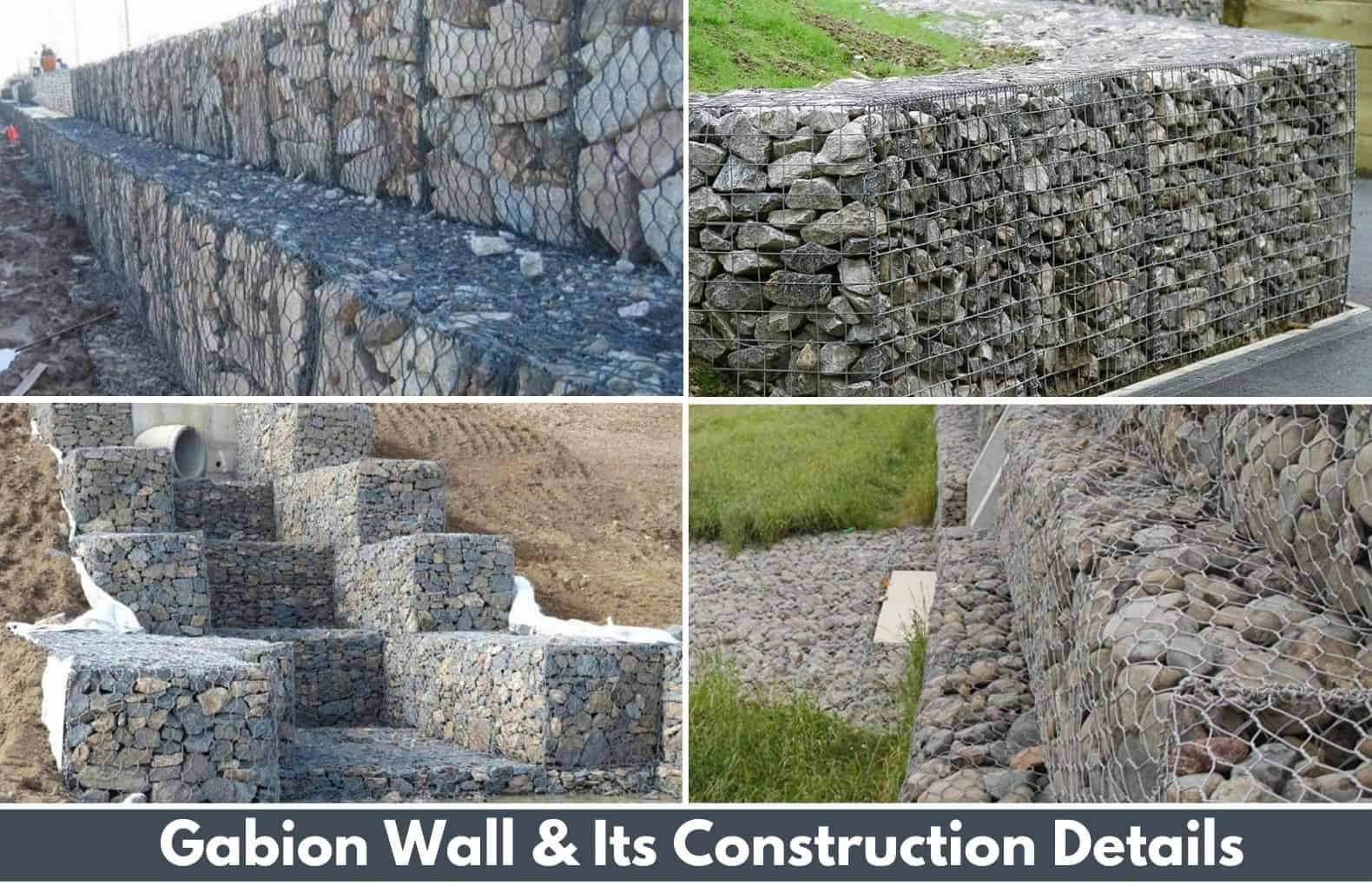
Gabion walls are usually battered (angled back towards the slope), or stepped back with the slope, rather than stacked vertically. The life expectancy of gabions depends on the lifespan of the wire, not on the contents of the basket. The structure will fail when the wire fails. Galvanized steel wire is most common, but PVC-coated and stainless steel wire are also used. PVC-coated galvanized gabions have been estimated to survive for 60 years.
The gabion wall has the outstanding advantages of good flexibility, strong durability, high strength, strong permeability, ecological environmental protection, strong reliability, low cost, beautiful appearance and so on.
The most important advantage of stone cage is good flexibility, each unit and the whole has a strong flexibility. Each element has a different settlement deformation. The utility model is especially suitable for the section where the foundation is unstable and the retaining wall is eroded by water or waves, which results in the settlement of the structure. It can allow settlement, distortion, bending, and can adapt to different ground shapes without affecting the integrity of the structure.
The stone cage provides high strength to the wall structure. Though it might not look it, the wire mesh that makes up the basket or cage is very strong under tension and acts as a reinforcement of the overall structure, rather than just a container. And due to silt and vegetation collecting in between the filling over time, they actually become even stronger with age, and form a naturally permanent structure.
Another important advantage of gabion wall is that, it is highly permeable. The nature of the way gabion baskets are made means there is space in between the stone filling. This allows both air and water to pass through, which allows the whole structure to breathe. On the other hand, concrete structures can build up hydrostatic pressure due to their impermeability, and this can compromise their structural integrity.
One of the key benefits of gabion walls over traditional walls is that they are easy to install. All it takes is to fasten the baskets together, prepare the ground where they will lie, and fill with chosen filling. They don’t need a conventional foundation – a compacted layer of filling like crushed rock is often all that is required to give the baskets a firm footing. The fill at the bottom of the basket will settle into the ground directly, providing frictional strength which keeps the baskets in place and prevents the structure from being dragged away by water.
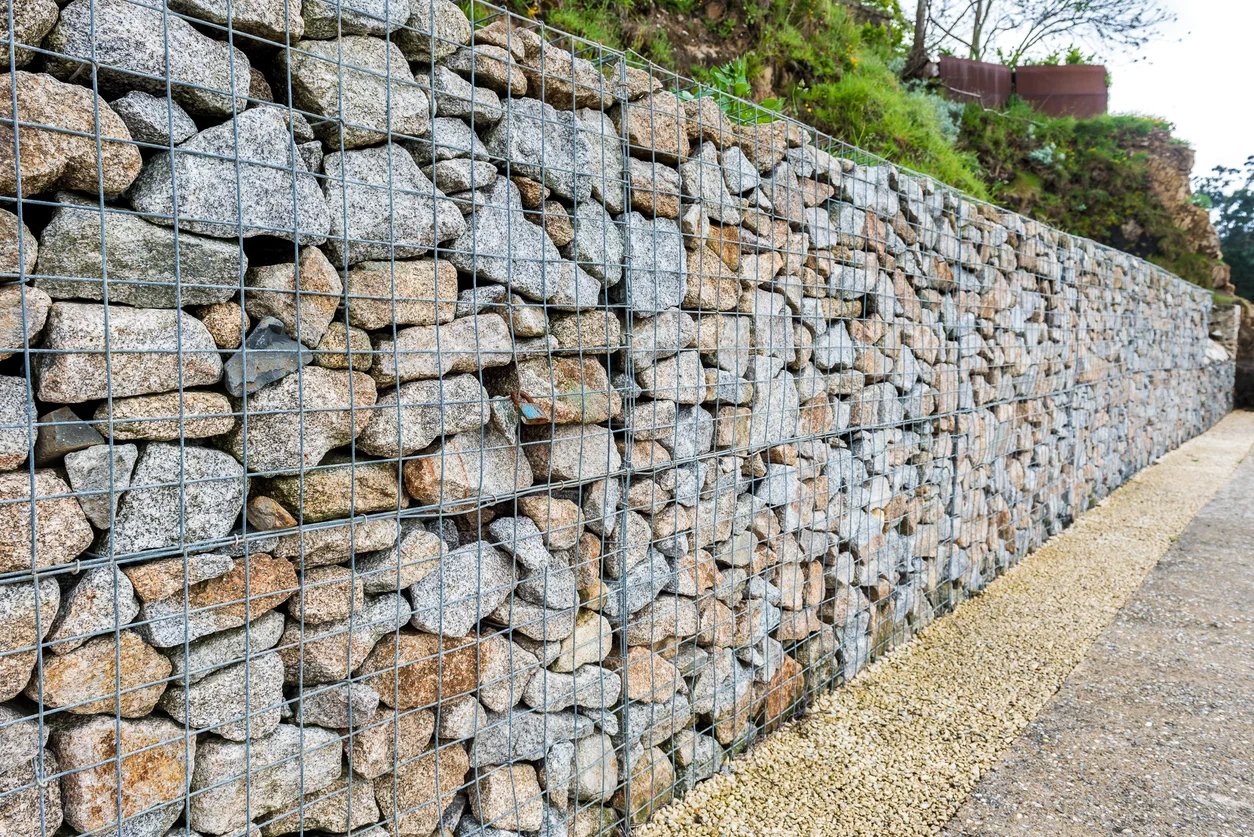
The gabion wall is eco-friendly as local material is used for filling baskets, transportation costs and the associated fuel consumption are almost eliminated, meaning putting together a gabion wall takes much less toll on the environment than a traditional concrete wall. Also, since the filling is making use of materials that already exist, there is no extra demand on the creation of concrete or other such materials. Thanks to their strength and permeability, gabion walls are also extremely long-lasting, durable and sustainable, so won’t need replacing or repairing as often as other walls.
The construction of this environment friendly gabion wall is very economical. The construction is simple and hardly needs the large-scale mechanical equipment. Gabion baskets are less expensive than most construction materials like concrete and filling like stone or broken concrete can usually be sourced locally and at a much lower cost. Additionally, the stone cage requires little maintenance making it more cost-effective.
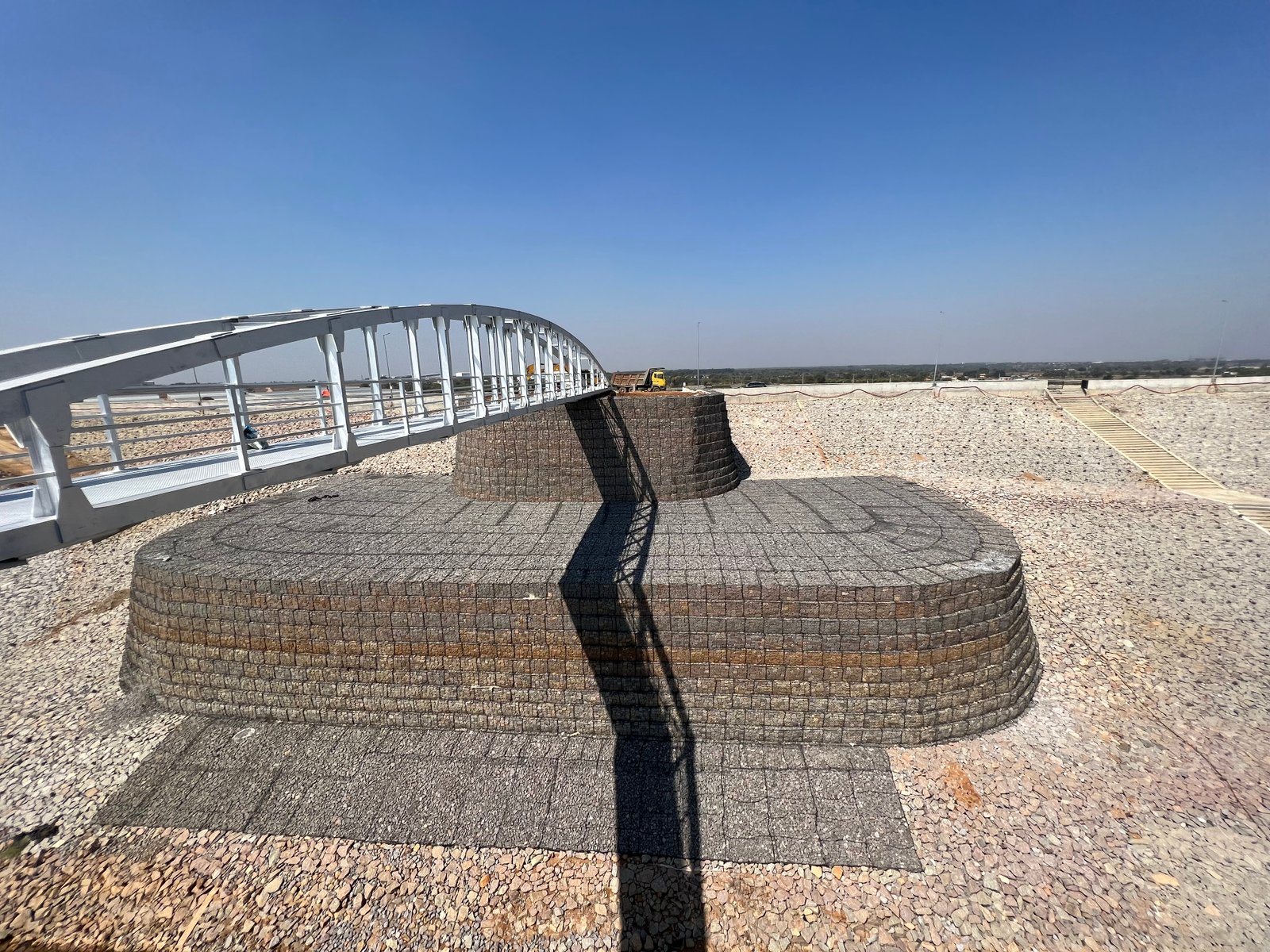
Compared with traditional masonry structure, stone cage can produce good visual effect. In fact, the longer the gabion wall is built, the better it will blend with the vegetation, and even be completely integrated into the surrounding natural environment. A major reason that is making gabion baskets and walls popular is that they look natural and can match a space to its local terrain through the use of local filler materials. Baskets of many different sizes and shapes can be used, including curved baskets which form a bend or circle when put together, and filling of all kinds of colours, textures and sizes can be used inside them.
Related Articles

Current Issue

10-2026
